Bazzite Linux Ships 44.20260929 with Gamescope Update, CEC Fix, and Tablet Touch Support
The latest stable build bumps Gamescope, fixes HDMI CEC, and adds tablet touch support.
Another day, another Bazzite release. The build is tagged 44.20260929, and it fits the project's usual cadence of small, frequent updates. Gamescope got bumped, an HDMI CEC bug got fixed, and GNOME tablet builds picked up a touch-screen extension.
It's a normal day for Bazzite, really. The project pushes multiple stable builds per week, and this one follows the pattern. But even the most routine release bundles changes that affect how games actually run on your hardware.
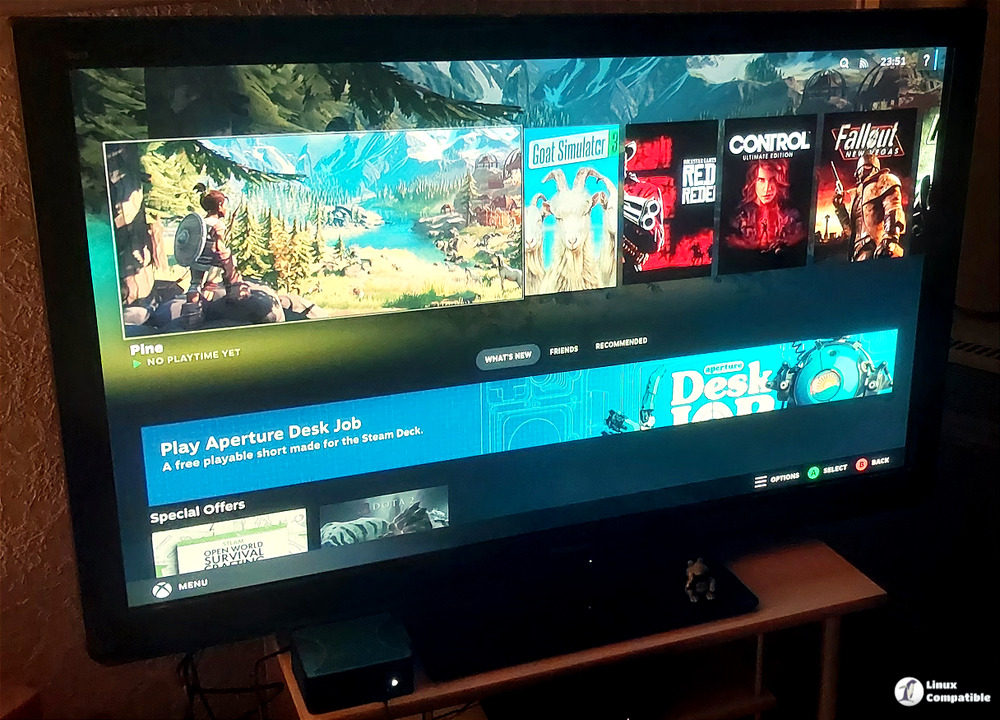
Bazzite is a Fedora Atomic–based gaming distro built on the Universal Blue project. It's immutable and container-based, meaning it boots into a fixed system image but still lets you layer in Fedora packages without losing them between updates. That's the whole point of the thing, and it's exactly what SteamOS has never quite managed.
What actually changed
The release notes are auto-generated, which is standard practice here. Each build typically bumps a single representative version per component to keep the diff manageable. This time Gamescope jumped from 3.16.29^2-1 to 3.16.31^1-1.
Gamescope matters because it's Valve's micro-compositor. It powers Steam Gaming Mode, handles frame capping, upscaling, and HDR and VRR compositing. Keeping it current is a quiet but real performance win.
Beyond the bump, there are three actual code changes worth a look.
The first is an HDMI CEC fix (pull request #5925) from contributor mastercko. His commit is titled "fix(cec-control): make sure CEC_TVID is treated like array." That's the whole story right there. The bug meant CEC commands only reached the first configured TV ID instead of looping through all of them, so if you've ever had a Steam Deck fail to wake your receiver, this fixes it.
Next comes a brand-new addition: the TouchUp GNOME Shell extension (PR #5924) from Kyle Gospodnetich. It adds touch ink and handwriting support to GNOME builds. That's a meaningful reach into tablets and 2-in-1s like the Framework 12, where drawing with a stylus actually means something.
The third is a Sunshine fix (PR #5920) from Andy East. Sunshine is the open-source streaming host you run when you want to send games to another device. This points the Bazzite Portal entry at the correct action so you can set it up from the GUI instead of digging through config files.
Not just a gaming rig
Then there's the rest of the changeset. The Steam client crept up to 1.0.0.87-5 across every image, and there's a Fanatec controller driver bump, a color emoji font refresh, and an IBus typing-booster update. Nothing dramatic. A gaming OS lives and dies by these small, interlocking pieces anyway.
It's worth recalling what Bazzite actually is before you get too swept up in a single changelog. It ships variants for the Steam Deck, desktops, GNOME builds, and even NVIDIA-driver images. You can boot the Deck variant straight into a SteamOS-style Game Mode, trim compatdata sizes, and still install any Fedora package on top. Unlike SteamOS, those layers survive updates.
The project is run by a distributed bunch of maintainers who've come from AWS, Canonical, Intel, Microsoft, Red Hat, and VMware. It's built entirely through automated GitHub Actions pipelines and pulls well over 112 million times. Those numbers suggest people are actually running this for real, not just installing it on a spare machine.
One thing that still impresses me: Bazzite keeps your previous image for up to 90 days. If a new update breaks something, you can roll back at the boot menu instead of chasing fixes. Free too. That's a level of insurance most distros simply don't offer.
Updating
If you're already on Bazzite, two commands do the work:
bazzite-rollback-helper rebase stable
Or target the exact image directly:
bazzite-rollback-helper rebase 44.20260929
Head here to grab an ISO for a fresh installation.


