Apache HTTP Server 2.4.68 Released With Critical Security Patches
Apache HTTP Server 2.4.68 just dropped, and it brings a heavy list of security fixes for anyone still running the 2.4.x branch. The release targets a dozen vulnerabilities across modules like mod_http2, mod_proxy_ftp, and mod_ssl. Skipping this update leaves servers exposed to buffer overflows, privilege escalation, and denial of service attacks that attackers have already mapped out.
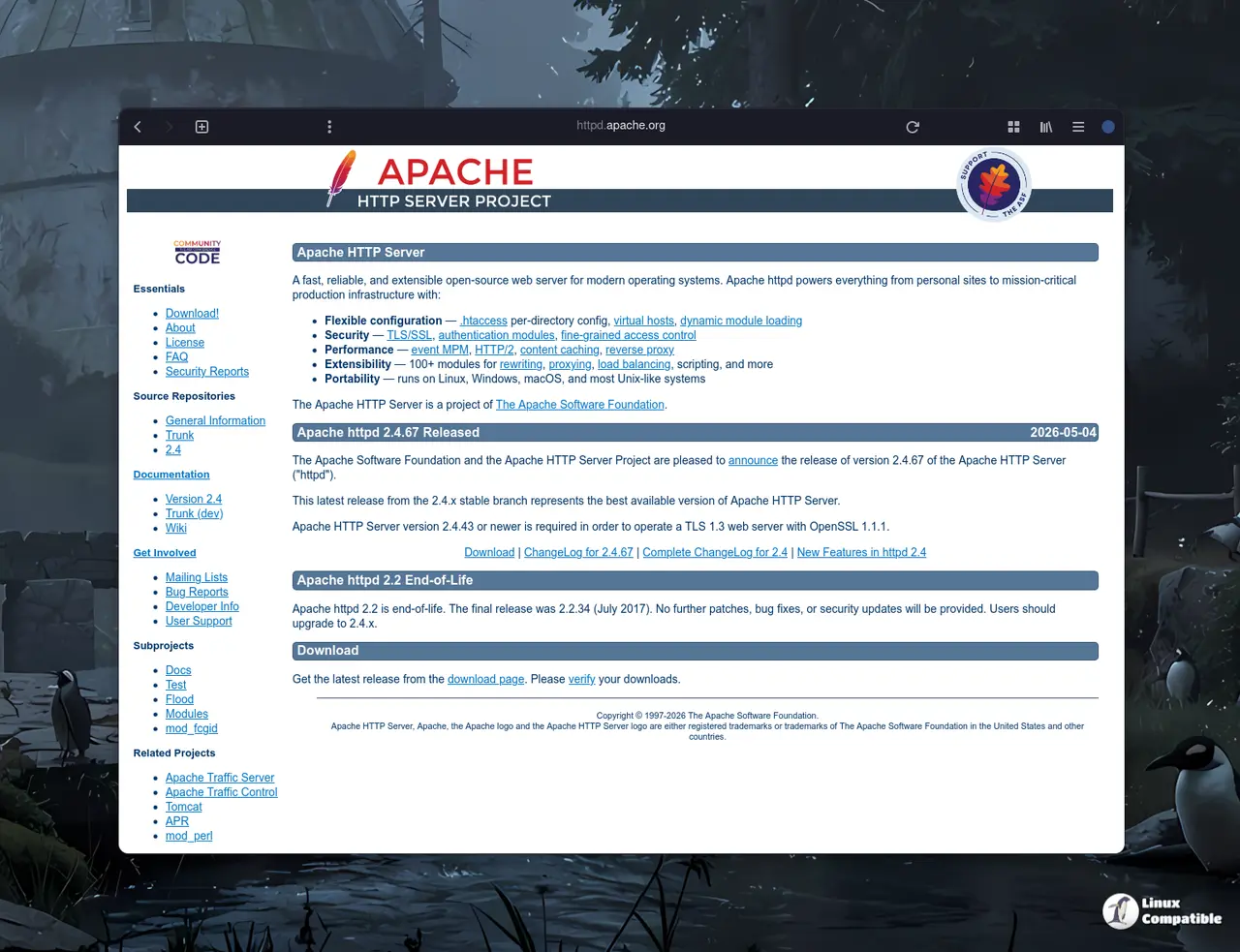
Why This Apache HTTP Server 2.4.68 Update Matters
The 2.4.x branch has been around for fifteen years, and while the codebase is battle-tested, legacy modules still carry hidden traps. This release patches a path handling flaw in mod_dav_fs that lets WebDAV authors crash child processes, along with a privilege escalation bug in .htaccess expressions that could let local users read files as the httpd account. The mod_http2 fixes stand out because they address memory corruption and excessive memory allocation that can bring a busy server to its knees. Production servers have been known to grind to a halt after a single crafted HTTP/2 request exploited the memory allocation flaw, and the .htaccess privilege escalation bug has quietly allowed unauthorized file reads in shared hosting environments for months before the patch arrived. Running an outdated version means waiting for a forced patch or dealing with downtime when a malicious request triggers one of these old bugs.
Modules That Need Immediate Attention
Not every server runs the same set of modules, but the ones that do should treat this update as mandatory. The mod_proxy_ftp cross-site scripting and infinite loop flaws only matter if the server acts as an FTP proxy, yet the mod_ssl stack over-read during OCSP requests affects anyone validating certificate revocation. The mod_ldap per-directory use-after-free and mod_xml2enc heap overflow are lower risk on their own, but they add up when combined with other misconfigurations. Anyone using mod_proxy_html or ProxyPassReverseCookieMap should verify the patch went through because the buffer overflow issues there could corrupt memory when handling backend cookies. The privilege escalation flaw in .htaccess expressions is particularly nasty because it bypasses standard access controls and reads files with the privileges of the httpd user, which often means root-level access on misconfigured shared hosts.
How to Apply the Apache HTTP Server 2.4.68 Update Safely
Upgrading the server requires a careful stop, replace, and verify cycle to avoid dropping active connections. Backing up the current httpd.conf file and custom module configurations first prevents a messy rollback if the new binaries conflict with existing dependencies. Pulling the new packages from the official download page and installing them alongside the running version ensures the old service stays functional until the new one proves itself. Testing the configuration with the built-in syntax checker before restarting the service matters because a single misplaced directive can halt the entire web stack, and skipping that check forces a manual emergency recovery. Verifying the running version string in the server status page after the restart confirms the patch actually loaded, and checking the error logs catches missing dependencies before the server handles live traffic.
Keep the maintenance window short, verify the version string before handing the server back to production, and check the official changelog if any module behaves oddly after the switch.


