Amethyst Mod Manager ships v2.4.2, adds Steam Workshop support and patches critical Loot freeze
Amethyst Mod Manager just hit v2.4.2, shipping a hotfix for a Loot sorting freeze alongside a brand-new Steam Workshop downloader wizard. Released on September 6, the update is a quick follow-up to yesterday’s v2.4.1 drop, but it cements the project’s reputation as the most actively developed Linux-native mod manager on the market.
If you’ve been trying to move off MO2 or Vortex while staying on Linux, you already know how painful that transition can be. Amethyst was built from the ground up to solve exactly that. It mirrors the proven MO2 workflow, supports roughly 100 games, and runs entirely native on Linux and SteamOS. No Wine required for the manager itself.
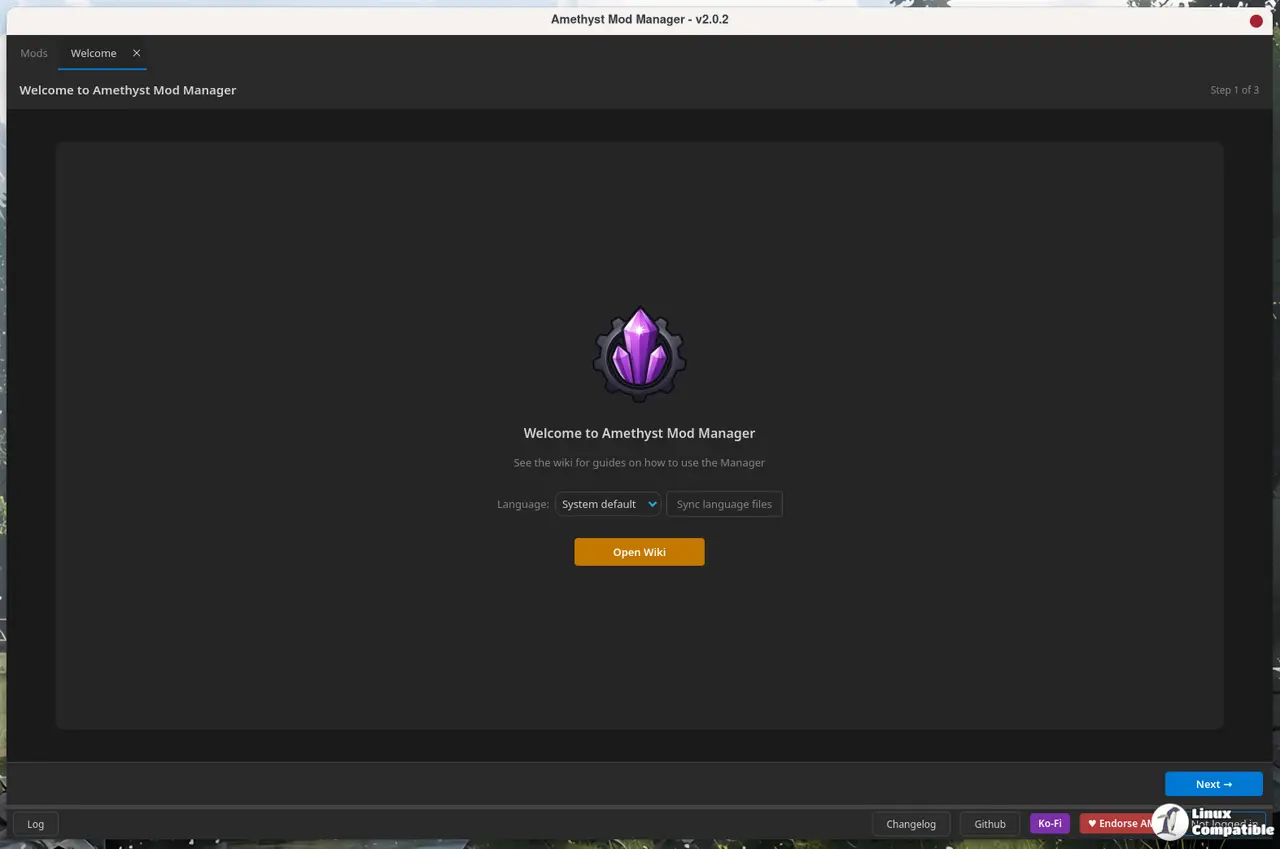
What actually ships under the hood
The v2.4.x sprint has been aggressive. You get VFS deploy, an in-app Thunderstore browser, direct Nexus Collections CRUD, and full LOOT integration via libloot 0.29.6. The UI was completely rewritten in Qt for v2.0.0, and it shows. Tab-based overlays, live theme editor, Crowdin-hosted translations, and a built-in Nexus SSO login. It’s not reinventing the wheel so much as finally building it in a language the Linux gaming crowd actually uses.
Keep in mind that Amethyst isn’t trying to replace every mod tool out there. The developer deliberately replicated the MO2 workflow rather than inventing something new. Wizards for ENB, Bodyslide, DynDOLOD, and game downgraders mean you aren’t manually fiddling with registry paths or Proton prefix edits. It’s a rather focused tool for its target audience, though the expanding game list and VFS deployment do help it stretch beyond Bethesda titles.
The Steam Deck community is already adapting it for Skyrim, Fallout 4, and Elden Ring, and with Thunderstore and Nexus integration baked in, the gap between Windows and Linux modding is getting smaller every week. Chris keeps the issue tracker open and the discussion forum active, so if you run into a deployment snag on a non-Bethesda title, there’s a decent chance the developer himself is watching the thread.
Head here to visit the GitHub release page.


