4MLinux 51.2 Drops, Keeps Micro-Distro Alive With Kernel 6.12.94
4MLinux 51.2 (stable) has officially arrived, delivering Linux kernel 6.12.94 to one of the industry's most stubbornly lightweight distributions. There are no major architectural shifts in this release, but if you are running this on aging hardware, the update is worth pulling immediately.
First dropped in 2010 and developed by a single Polish maintainer known as Z.K., 4MLinux has spent over sixteen years chipping away at system requirements. The project does not chase desktop environments or bloat. Instead, it sticks to a JWM window manager, Conky for system monitoring, and a deliberately bare-bones approach that skips a traditional package manager entirely.
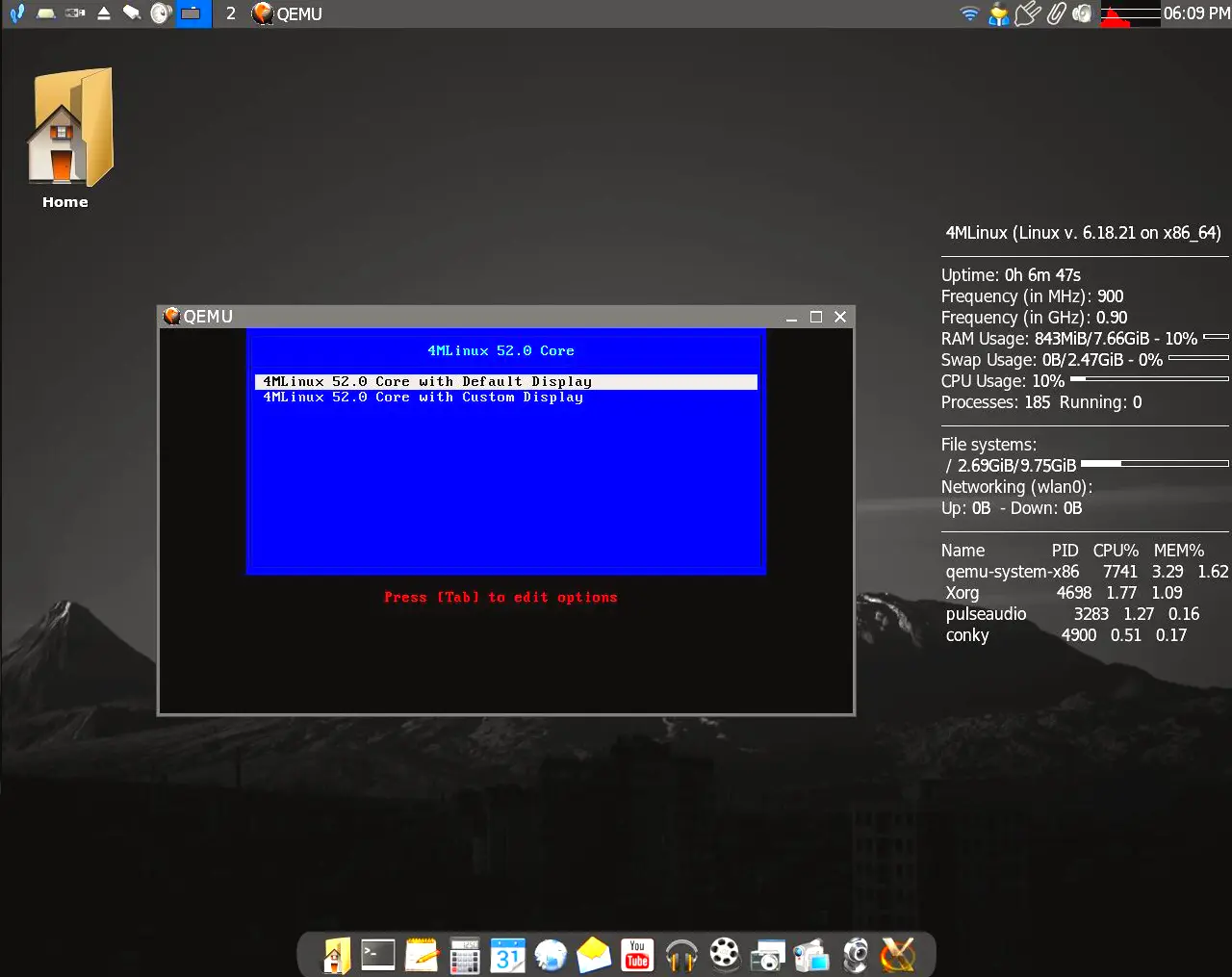
Kernel & Update Process
The latest release updates the kernel to 6.12.94. You can push the upgrade on your existing installation by running zk update in a terminal. It is a fully automatic process that does not require you to reflash USB drives or wrestle with ISO verification tools. Keep in mind that this is strictly a 64-bit build. Z.K. dropped 32-bit support back in December 2019 with version 31.0, and the project has not looked back.
The update command itself is a dead giveaway of the project's origins. zk update is not a standard Arch or Debian tool. It is the project's own internal updater, a relic from Z.K.'s early development days that somehow survived nearly two decades of Linux ecosystem shifts. At this point, renaming it feels like changing the engine on a bicycle, and nobody complains.
The Four Pillars & Hardware Demands
4MLinux still operates on its original four capabilities: Maintenance, Multimedia, Miniserver, and Mystery. The maintenance side handles system recovery and troubleshooting. Multimedia covers format decoding and DVD playback. The miniserver drops a 64-bit LAMP stack via the inetd daemon. Mystery is just a curated collection of classic Linux games.
The hardware demands remain aggressively low. If you boot the standard 4MLinux edition to a live USB, you will need 1 GB of RAM. Install it to a hard drive, and you can trim that footprint down to just 128 MB. Z.K. also maintains a 4MServer variant for those who actually want to lean into the LAMP capabilities, alongside a dedicated Game Edition that runs 90s-era titles like Doom and Hexen natively.
It is an unapologetically minimal setup. The lack of a package manager means you are not going to be wrestling with dependency chains, but installing third-party software requires manual tinkering. Wine is already baked in, which creates a slight quirk: your system might accidentally pull Windows binaries if you are not paying attention. However, at the same time, that deliberate friction is exactly why this thing still runs on hardware most distros would consider landfills.
The 4MLinux 51.2 ISO is available now. If you want to grab it, head to SourceForge where the project has hosted its builds for years. You can also check the release blog at 4mlinux-releases.blogspot.com for detailed changelogs. The project's official site sits at 4mlinux.com.


