Zed Industries released version 1.13.1 of its AI-native code editor today, July 29, 2026, delivering a patch focused on agent UX improvements, Mistral model updates, and broader Dev Container interoperability. The update introduces per-response controls within multi-turn agent conversations and adds thinking support for Mistral Medium 3.5 and Small 4, while also allowing Zed-created dev containers to be reused by VS Code and the CLI. Stability work addresses platform-specific crashes on Windows and macOS alongside a significant Linux fix for Fcitx5 memory leaks on KDE Wayland, and resolves Git operation timeouts that previously interrupted slow authentication flows. With contributions from over 15 external developers through the Zed Guild, this release highlights the editor's rapid maturation toward feature parity with VS Code and strong ecosystem integration.
Zed Editor 1.13.1 lands with agent UX tweaks, Mistral updates, and dev container fixes
Zed Industries shipped version 1.13.1 of its AI-native code editor today, July 29, 2026. It's a patch release following the v1.13 stable cycle, delivering agent panel UX improvements, expanded Mistral model support including thinking capabilities, and Dev Container compatibility fixes that narrow the gap with VS Code. The update also addresses platform-specific stability issues across Windows, macOS, and Linux.
Zed has been steadily building toward production readiness since announcing version 1.0 in April 2026. The editor, created by the original Atom team, now sits at over 87,700 GitHub stars. This patch release arrives less than three weeks after the v1.13 stable release, which suggests the team identified meaningful issues worth addressing quickly.
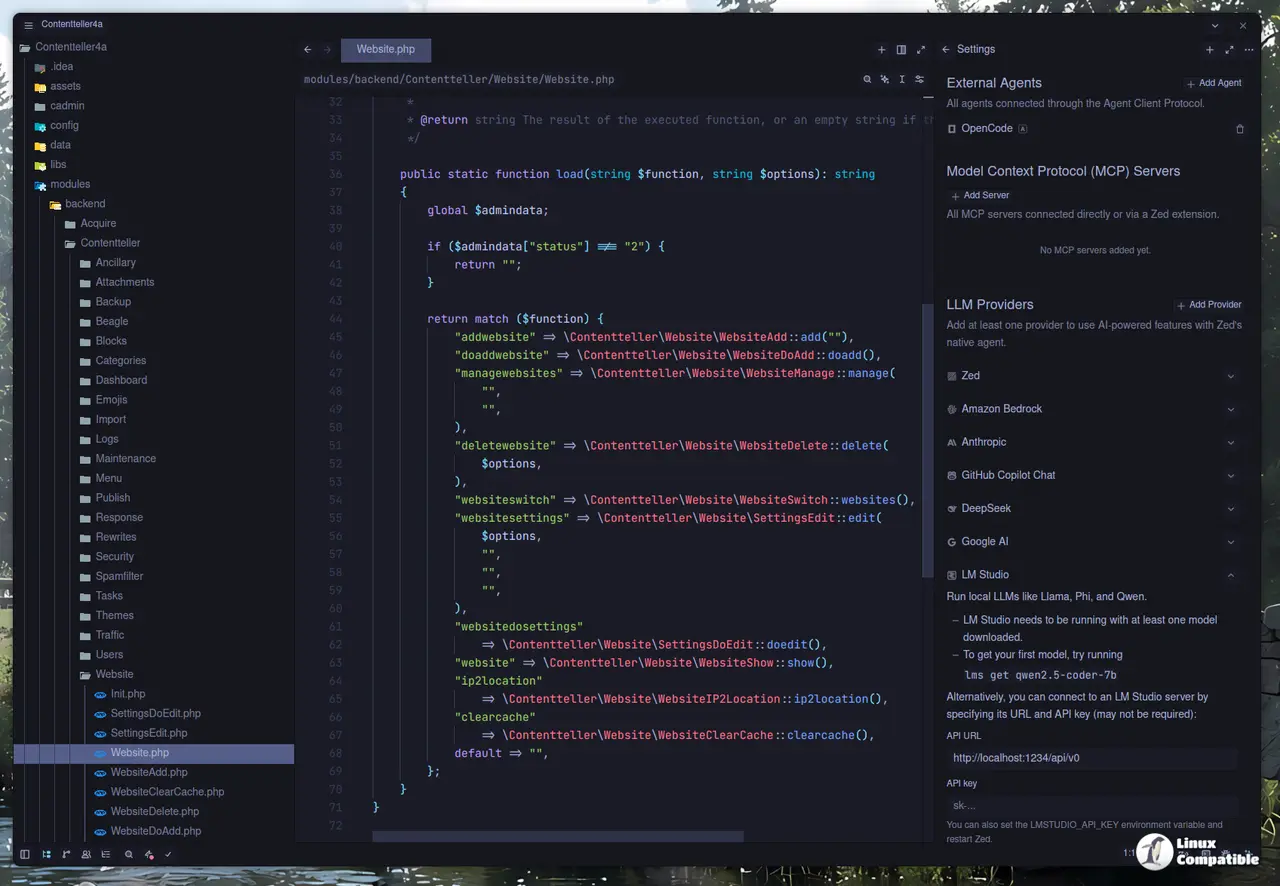
Agent conversations get more control
The most visible change in this cycle involves how you interact with multi-turn agent conversations. Every non-blank assistant message now displays three action buttons: Copy this Agent response, Scroll to User Message, and Scroll to top.
The "Scroll to User Message" button got its own fix this cycle. It now navigates to the user prompt associated with that specific response instead of always jumping to the most recent message in the thread. That's a sign that real-world usage patterns proved more nuanced than the initial design anticipated.
This feature builds on the Parallel Agents architecture introduced in late April, which lets developers orchestrate multiple agent sessions running simultaneously in the same window through the Threads Sidebar.
Mistral Medium 3.5 and thinking capabilities
Zed updated Mistral Medium to version 3.5 and added thinking support for both Mistral Medium 3.5 and Mistral Small 4. Custom Mistral configurations that previously rejected Ministral model IDs now work as expected.
Three deprecated models were removed from the Mistral provider: magistral-medium-latest, open-mistral-nemo, and devstral-medium-latest. This reduces maintenance surface area and keeps the configuration surface manageable.
Not cheap in terms of configuration effort, but it makes sense. Users configuring their own Mistral endpoints will appreciate the compatibility improvements.
Dev Container fixes signal ecosystem maturity
Two significant fixes address Dev Containers interoperability. Zed-created dev containers are now reusable by the Dev Container CLI and VS Code, along with lifecycle and configuration fixes for broader Docker Compose compatibility.
An issue where Docker Compose dev containers would not start all configured services when resuming an existing environment has been resolved. This was a common source of confusion for multi-service project setups.
These fixes are particularly significant given Zed's push to support Dev Containers. They remove a major adoption friction point for teams that need to support multiple editors and signal Zed's commitment to being a first-class participant in the Docker ecosystem rather than an isolated alternative.
Stability work across platforms
Three significant crash fixes landed in a single patch release:
- Windows crash from re-entrant window drawing corrupting UI element memory
- macOS clipboard read crash that could occur when reading from the clipboard
- Linux Fcitx5 memory leak on KDE Wayland causing excessive memory usage during text composition
The Fcitx5 issue is particularly notable. Zed's GPU rendering layer continues to face challenges with complex input method frameworks on modern Linux desktops.
Git operations that timed out with misleading "Connecting to host timed out" errors have been fixed. The artificial 17-second timeout floor has been removed, which helps with large fetches, slow hooks, or agent-based authentication flows.
A hunk staging corruption issue where staging one hunk could mark a different hunk as staged has also been resolved. Git blame entries no longer overflow the gutter when avatars are displayed.
Community contributions at scale
This release cycle features contributions from 15 or more distinct external contributors across diverse subsystems. The Zed Guild program appears to be working as a sustainable contributor pipeline.
Notable contributions include branch picker filtering and suggestions, LSP logs showing request durations alongside RPC responses, and fixes for selection boxes not rendering when the cursor is offscreen.
The community-driven model is demonstrably working. It's not just about load-bearing fixes either — features like per-response agent controls and run statuses for gutter controls came from external contributors.
What this release signals
Agent UX maturation is clear. The per-response control buttons suggest multi-turn agent conversations have become the primary interaction mode for power users. The fact that "Scroll to User Message" needed fixing to target the correct prompt indicates real usage patterns exceeded initial assumptions.
Platform reliability push is evident. Three significant crash fixes across Windows, macOS, and Linux/Wayland in a single patch release indicates ongoing hardening work. The ecosystem interoperability push with Dev Container fixes is strategically important for enterprise adoption.
Zed's combination of native Rust/GPUI performance, AI-native design with multi-agent orchestration, and rapidly closing Git/Docker ecosystem support continues to differentiate it from VS Code. The v1.13.x cycle shows Zed approaching feature parity in areas most important to enterprise adoption.
Download options
macOS Apple Silicon builds remain dominant, with approximately 5,100 downloads in the first cycle. Windows x86_64 follows with around 3,500 downloads, and Linux x86_64 sits at roughly 2,600.
You can grab the latest build from the Zed download page or check the GitHub releases for specific patch notes and commit hashes. The immutable-release model means the commit hash 00bd72e is canonical and cannot be altered after publication.
Keep in mind that this is a patch release. If you're on an older version, you'll want to update to catch the stability improvements. The v1.13 stable release shipped in early-mid July, so you have the full feature set if you haven't updated yet.


