XanMod Kernel 7.0.9 and 6.18.32 LTS Bring Heavy Workload Tweaks to Debian Systems
The latest Xanmod kernel releases drop support for older hardware while packing in scheduler tweaks, TCP stack improvements, and AMD cache optimizations that actually matter for desktop performance. Desktop users running Debian or Ubuntu based systems can grab these builds directly from the official repository without wrestling with third party PPAs. The update brings real changes to how the operating system handles background tasks, network throughput, and storage queues under load.
Why These Kernel Updates Actually Matter
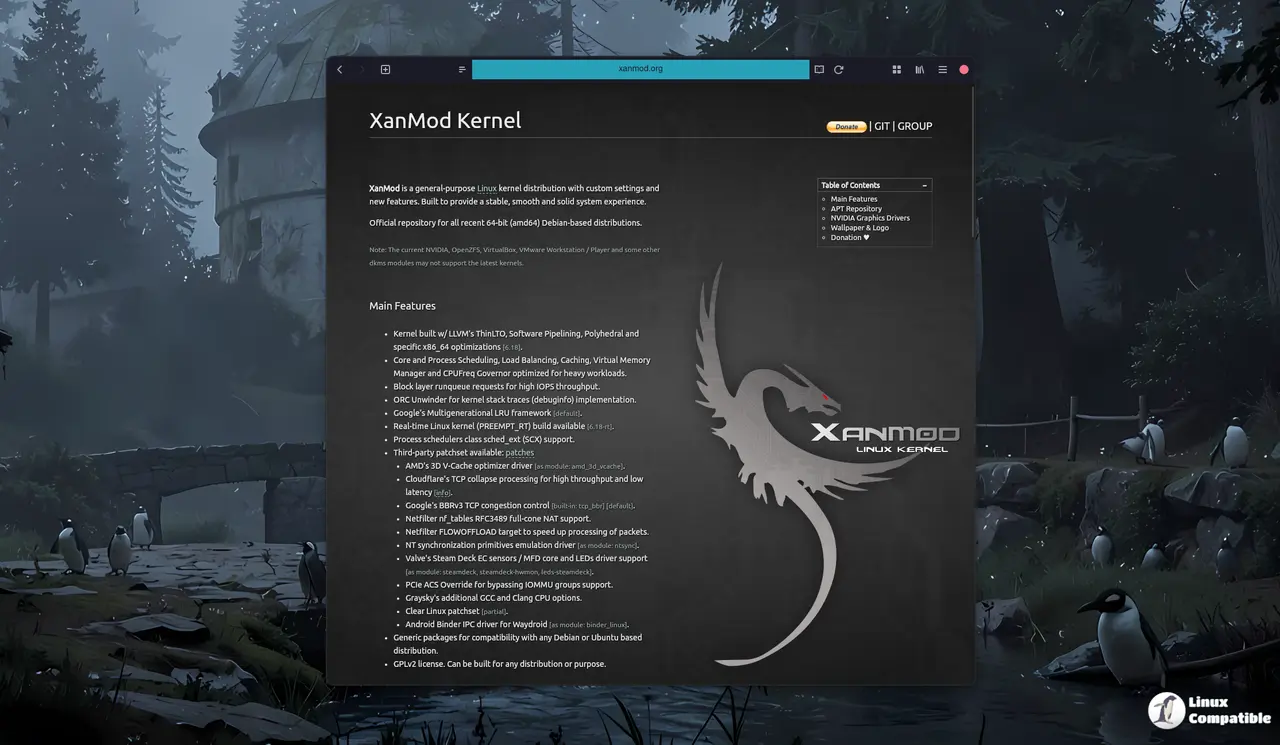
The Xanmod project strips out the bloat that usually comes with mainstream distributions and focuses on responsiveness for heavy workloads. Google's multigenerational LRU framework now runs by default, which means the memory manager stops thrashing when applications open dozens of browser tabs alongside compilation jobs or virtual machines. Cloudflare's TCP collapse processing and BBRv3 congestion control are baked in to reduce latency during downloads and streaming. The block layer runqueue tweaks also help systems with high IOPS requirements keep storage queues from choking under heavy read write cycles. These changes do not just look good on paper. They translate to fewer stuttering moments when switching between applications or pushing data through network interfaces.
Hardware Compatibility and Known Module Issues
The kernel ships with LLVM ThinLTO, software pipelining, and specific x86_64 optimizations that squeeze out extra performance on modern processors. AMD users get a dedicated module for the 3D V-Cache optimizer, while Intel systems benefit from Graysky's additional GCC and Clang CPU options. Steam Deck hardware support lands as loadable modules for EC sensors and LED controls, which helps developers testing handheld Linux builds. The PCIe ACS override feature also makes it easier to bypass IOMMU group restrictions when routing GPUs directly to virtual machines. There is a catch though. DKMS drivers like NVIDIA, OpenZFS, VirtualBox, and VMware Workstation often lag behind new kernel releases. System administrators who rely on those packages should check driver compatibility before upgrading or they will end up staring at black screens during boot. The project maintains a PREEMPT_RT build for real time workloads, but that requires separate installation steps and carries its own stability tradeoffs.
How to Install the XanMod Kernel on Debian Based Systems
Setting up the repository follows a straightforward process that avoids manual package management headaches. The first step involves downloading the official PGP key and converting it into a GPG archive file so APT trusts the new source. Adding the repository line requires matching the system codename, which means running lsb_release to verify whether the machine tracks bookworm, trixie, noble, or another supported release. The installation command pulls the x64v3 variant by default, which targets modern processors with AVX2 and FMA support while keeping compatibility intact for most desktop setups. Systems that need to compile external modules should grab dkms, libelf-dev, clang, lld, and llvm before rebooting. Skipping those dependencies usually results in failed driver builds when updating NVIDIA or wireless firmware packages later. A clean restart finishes the process and loads the new scheduler configurations into memory.
First, bring the PGP key into APT’s trust store so it can verify every package that rolls out. Running the command below fetches the key and writes it to the appropriate directory; doing this before adding the repository protects you from man‑in‑the‑middle attacks on the kernel packages.
wget -qO - https://dl.xanmod.org/archive.key | sudo gpg --dearmor -vo /etc/apt/keyrings/xanmod-archive-keyring.gpg
Next, drop a repository file into sources. The line below is already tuned for the distribution you’re on; it automatically expands to the correct codename thanks to lsb_release. Once that file is in place, APT knows exactly where to pull the kernel packages from.
echo "deb [signed-by=/etc/apt/keyrings/xanmod-archive-keyring.gpg] http://deb.xanmod.org $(lsb_release -sc) main" | sudo tee /etc/apt/sources.list.d/xanmod-release.list
Finally, update the package list and install the kernel. The --no-install-recommends flag keeps the installation lean by only pulling essential dependencies; you’ll still need a few development packages if you plan on compiling any external modules later.
sudo apt update && sudo apt install linux-xanmod-x64v3
The Xanmod kernel does not fix every Linux desktop issue, but it removes enough friction to make daily computing feel noticeably snappier. Desktop users who want smoother multitasking and better network handling should test the update in a virtual machine first. The repository stays open under GPLv2, so anyone can rebuild the source if custom patches or older processor support become necessary. Keep an eye on driver release cycles before pushing this into production environments.


