XanMod Kernel Releases Bring Heavy Workload Tweaks and BBRv3 to Debian Systems
The latest batch of XanMod kernel builds just dropped, bringing version 7.0.1 alongside updated 6.19.14, and 6.18.24 LTS variants. This release focuses on squeezing out extra performance for desktop workstations and gaming rigs without turning your system into a resource hog. Users looking to swap out their default kernel will find exactly what changed and how to avoid common upgrade pitfalls.
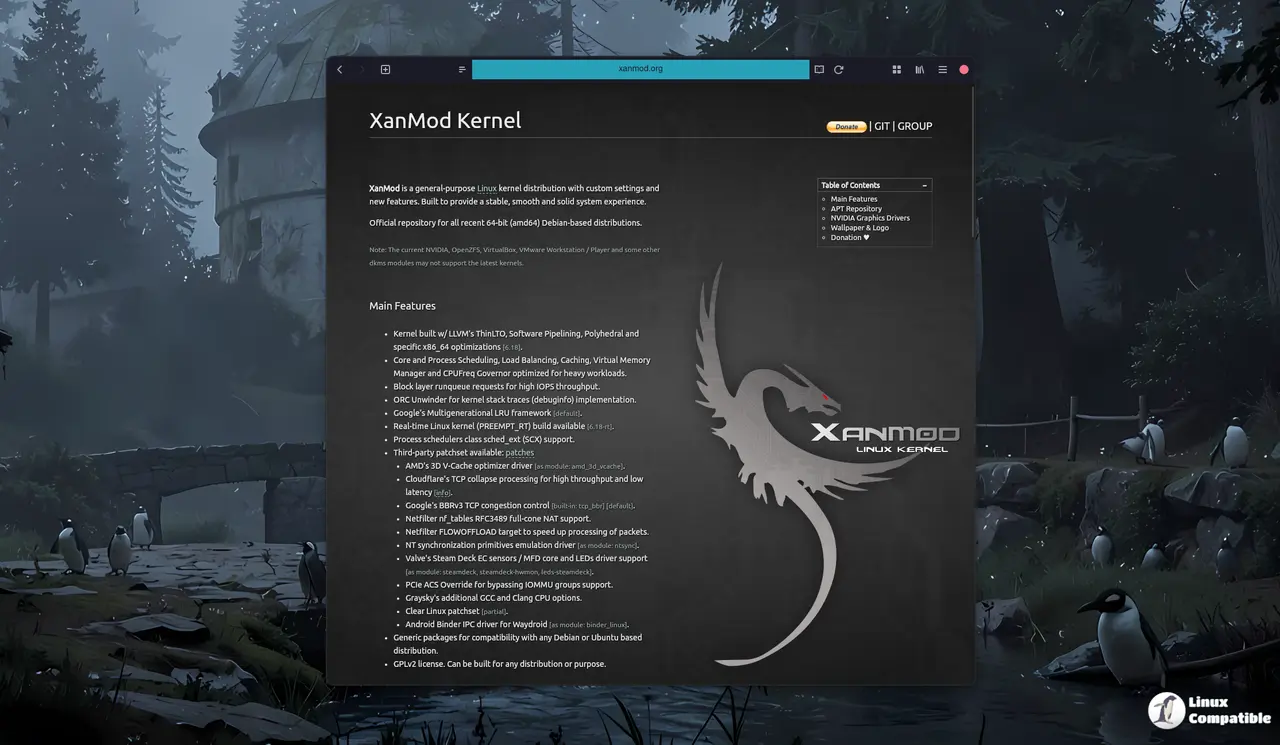
What Actually Changed in This Build
The core philosophy behind this XanMod kernel release stays consistent with previous iterations. Developers packed in LLVM ThinLTO compilation and software pipelining to shrink binary sizes while keeping execution tight. Google’s multigenerational LRU framework runs by default now, which means the memory manager stops thrashing your swap partition when you juggle dozens of browser tabs alongside native applications. Cloudflare’s TCP collapse processing and BBRv3 congestion control ship preconfigured for lower latency on congested networks. Gamers and streamers will notice the new Steam Deck EC sensor support and PCIe ACS override options that help bypass stubborn IOMMU group restrictions during GPU passthrough setups. The AMD 3D V-Cache optimizer driver also arrives as a loadable module, targeting those specific Ryzen chips that benefit from adjusted cache routing under heavy loads. Anyone who has wrestled with kernel panics after a rushed update knows why these targeted tweaks matter more than blanket performance boosts.
Installation Steps and Repository Setup
Getting this kernel onto a Debian based system requires adding the official repository first. Users should start by downloading the GPG archive key and converting it to a binary format that APT recognizes. This step prevents package manager warnings about untrusted sources when pulling updates later. Next comes writing the repository line directly into the sources list directory using the current distribution codename. The command pulls the correct branch automatically, so systems running bookworm or trixie get matched properly without manual guessing. Running an update followed by the install command for the x64v3 variant fetches the optimized binaries tailored for modern processors. Skipping the dependency check often leads to broken driver builds later, so installing dkms and libelf dev packages beforehand keeps third party modules compiling smoothly. A full reboot finishes the process and loads the new scheduler routines into memory.
Adding the repository requires verifying the package signature first, which prevents malicious updates from slipping into the system. Users should download the archive key and store it in the secure keyrings directory before touching any source lists. The installation command pulls the x64v3 variant by default, which targets modern processors with AVX2 support and skips older CPU instructions that waste space on recent hardware. Running apt update followed by the install package command fetches the precompiled binaries directly from the official server. External module builders need dkms, libelf-dev, clang, lld, and llvm installed beforehand, since custom kernels often require recompiling out of tree drivers. A quick reboot after installation applies the new scheduler and memory management routines immediately. Skipping the dependency check usually results in failed driver builds that leave virtualization or graphics tools completely broken.
First, bring the PGP key into APT’s trust store so it can verify every package that rolls out. Running the command below fetches the key and writes it to the appropriate directory; doing this before adding the repository protects you from man‑in‑the‑middle attacks on the kernel packages.
wget -qO - https://dl.xanmod.org/archive.key | sudo gpg --dearmor -vo /etc/apt/keyrings/xanmod-archive-keyring.gpg
Next, drop a repository file into sources. The line below is already tuned for the distribution you’re on; it automatically expands to the correct codename thanks to lsb_release. Once that file is in place, APT knows exactly where to pull the kernel packages from.
echo "deb [signed-by=/etc/apt/keyrings/xanmod-archive-keyring.gpg] http://deb.xanmod.org $(lsb_release -sc) main" | sudo tee /etc/apt/sources.list.d/xanmod-release.list
Finally, update the package list and install the kernel. The --no-install-recommends flag keeps the installation lean by only pulling essential dependencies; you’ll still need a few development packages if you plan on compiling any external modules later.
sudo apt update && sudo apt install linux-xanmod-x64v3
Those who prefer avoiding repository changes can download the standalone deb files from SourceForge instead. Installing those packages directly with dpkg achieves the same result, though manual updates will require checking for newer versions regularly.
NVIDIA Drivers and Known Compatibility Hiccups
The release notes flag a familiar headache that plagues custom kernel users. Proprietary graphics drivers from NVIDIA often lag behind upstream releases when dealing with new scheduling classes or memory manager changes. OpenZFS, VirtualBox, and VMware Workstation modules face the same delay because they rely on specific kernel headers that shift between versions. Adding the dedicated NVIDIA repository solves most of this friction by providing precompiled driver packages built against the exact XanMod build targets. Users should append non free to the repository line before installing nvidia driver 595 open or the standard proprietary branch. The open variant generally plays nicer with newer scheduler updates, while the closed source branch still delivers peak rasterization performance for legacy titles. Systems that suddenly lose display output after a reboot usually just need to rebuild those external modules against the new headers. Running the dkms auto install command fixes most broken drivers without requiring a full system rollback.
Who Should Actually Use This Kernel
This build makes sense for desktop users who run heavy compilation tasks, stream locally while gaming, or manage multiple virtual machines on consumer hardware. The optimized block layer runqueue and CPU frequency governor adjustments shine when pushing sustained workloads instead of short benchmark spikes. Average office workers running standard office suites will notice zero difference beyond slightly faster application launch times. Those who rely on enterprise storage arrays or specialized scientific computing should stick with the official distribution kernels until third party drivers catch up. The PREEMPT_RT variant remains available for users who need deterministic audio processing or real time control loops, though it demands careful hardware compatibility checks. Testing this kernel inside a virtual machine first prevents unexpected boot failures from eating into work hours.


