Ungoogled Chromium Ships a Full Cross-Platform Build, Riding Chromium 157's 213-Fix Haul
The new 157.0.8103.38-1 tag drops Google's phone-home and lands on Linux, Windows, and macOS, days after Chrome itself picked up seven Critical flaws.
The volunteer-run project behind ungoogled-chromium released version 157.0.8103.38-1 today. Its release note is about as terse as they get: an update to Chromium 157.0.8103.38, "for all platforms."
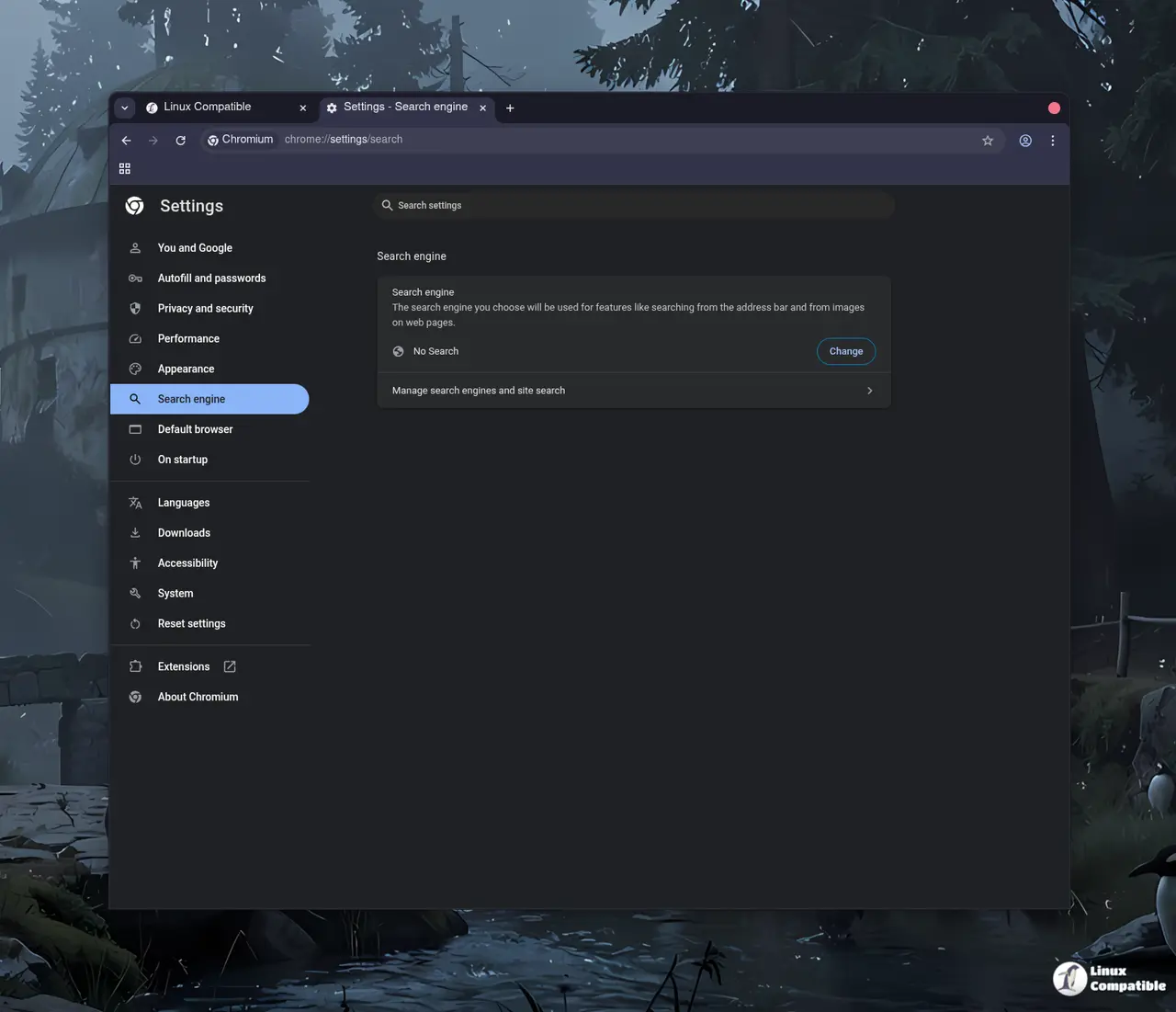
That phrase matters more than it looks. Most recent ungoogled-chromium releases are Linux-only, tagged by whichever volunteer had a spare evening. An all-platforms build that lands right on top of Google's own release schedule is comparatively rare. It even rode in a day after Chrome 157 hit the Stable channel on November 3.
The trade-off is straightforward. Privacy-focused users get Google's latest patching without the browser calling home.
This build inherits everything in Chromium 157.0.8103.38, and that's a lot to inherit. There are 213 security fixes in that point release, an unusually large single batch. Seven are rated Critical, all memory-corruption bugs in graphics and rendering subsystems. You've got a buffer overflow in Dawn, Chrome's WebGPU engine, plus use-after-free flaws in WebGL, Core, and Geometry. One Critical was reported by an Anthropic researcher working with Claude.
As of reporting, Google said none were being exploited in the wild. The rollout spreads over the coming days.
One side story worth flagging: AI-assisted security research did real heavy lifting this cycle. Anthropic researchers, "assisted by Claude," reportedly contributed a dozen of the listed bugs. OpenAI's Codex Security found several more. It's a small window onto how vulnerability discovery is shifting across the industry, though it says nothing about ungoogled-chromium itself.
The point of "ungoogling"
The tag 157.0.8103.38-1 breaks down cleanly. It tracks Chromium point release 157.0.8103.38, with ungoogled-chromium's own patches applied at revision 1. So the security fixes come free, and the "ungoogling" is the project's own layer, re-applied to the new source each cycle.
Ungoogled-chromium is a fork of Chromium, the open-source browser that powers Chrome, Microsoft Edge, Opera, and dozens of others. Its self-description is deliberately blunt: "Google Chromium, sans integration with Google." It's not Brave with its own blockers and wallet, nor a Firefox fork. The agenda is narrower than most.
Take a browser that already does security well, then remove one company. That's the entire pitch.
Founded in December 2015 by a hobbyist going by Eloston, the project started on Linux and expanded from there. Eloston initially shipped prebuilt binaries, then switched to releasing patches so volunteers could build their own. By 2022 the repository moved from a personal account to the ungoogled-software organization. It now runs under a BSD-3-Clause license, sitting at roughly 28,200 stars with a collective of volunteers handling the issue tracker.
Trade-offs that come with control
ungoogled-chromium buys control at the expense of convenience. There's no auto-updater, so keeping current is on you or your package manager, which is precisely why building from source is encouraged. Google Safe Browsing is off by default because it phones Google. Cookies clear when a window closes, a common surprise for newcomers who suddenly find themselves logged out everywhere.
Widevine DRM doesn't ship with it, so Netflix needs you to extract Widevine from a matching Chrome build, which the project calls "genuinely fiddly and fragile." WebRTC can leak your real IP even behind a VPN, unless you flip a flag. Google sign-in with FIDO U2F security keys is currently broken too, since it leans on an internal extension the project disables.
The upside is genuine, though. You get vanilla Chromium that renders pages exactly as Chrome does, with no background requests to anyone. That's exactly why ungoogled-chromium has become the yardstick other privacy forks measure themselves against. Projects like Helium are essentially ungoogled-chromium with uBlock baked in and conveniences stacked back on top.
Getting it
The browser ships through most package managers, from the Arch AUR to Homebrew on Mac. Debian, Ubuntu, Fedora, Gentoo, FreeBSD, and OpenBSD all have routes to it. OpenMandriva even ships ungoogled-chromium as its default browser. Flatpak and NixOS cover the rest of the cross-platform crowd.
Third-party binaries exist too, but the project explicitly warns they aren't reproducible. "Authenticity cannot be guaranteed," and there's "a non-zero probability that these binaries may have been tampered with." For genuine trust, build from source using the release tag. The pipeline runs from downloading the Chromium source down to pruning binaries, applying patches, substituting domains, and building with ninja.
Head here to the GitHub release page.


