Valve shipped SteamOS 3.9.4 Beta today, primarily to repair regressions that crept into the feature-heavy 3.9 release. The update fixes several genuinely annoying issues, including apps hidden behind Steam's loading screen, screenshots captured at 720p, and a timezone bug that blocked access to Desktop Mode without a reboot. It also adds a security patch revoking certificates tied to the eMudhra private-key compromise, where the breached keys happened to be single-digit numbers like "4." Hibernation work continues but stays disabled on the Steam Deck, and the update points toward 3.9's eventual move to the Stable channel.
SteamOS 3.9.4 Beta Arrives With Security Patch and a Bunch of Necessary Bug Fixes
Valve pushed a fresh SteamOS 3.9.4 Beta on today, and yes, it's mostly about cleaning up messes that 3.9 made for itself. There's a real security fix in there too, though. This is the kind of maintenance release you don't think much about until you read the changelog and realize it's quietly keeping your machine from doing weird things.
For context, 3.9 shipped with a large feature set in a single bucket, a kernel rebased to Linux 7.2, Plasma bumped from 6.4.3 to 6.7.3, preliminary hibernation, a WiFi backend switch, and a bunch of renaming nobody asked for but everyone got anyway. Big feature dumps always come with regressions. 3.9.4 is the mop.
What actually gets fixed
The changes that matter to most people: apps sometimes ran behind Steam's loading screen, which is a strange way for a game to appear. There's a fix for that, and it notably covers A Plague Tale: Innocence. Screenshots were also getting captured at 720p even when your display and game were running at something saner. That's fixed now, at least for the beta.
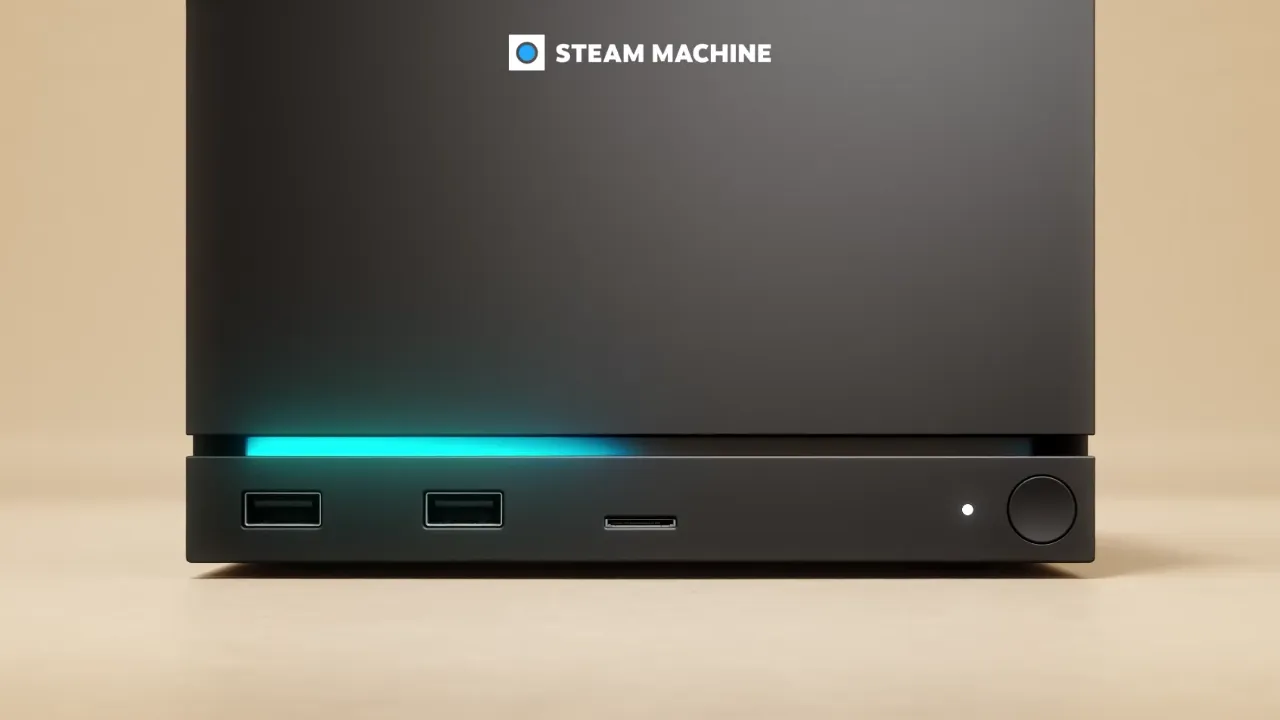
Valve also toned down audio clicks over the 3.5mm output, a complaint that's disproportionately annoying on sensitive headphones. And firmware updates, which occasionally failed to apply on the Steam Machine desktop, should actually stick this time.
Then there's the timezone issue. Change your timezone and you might find yourself unable to switch into Desktop Mode until you reboot. The fix removes the need for that restart, which is the whole point of the whole exercise.
Keep in mind that two of these are explicit regressions from earlier 3.9 builds, which is exactly what you'd expect from a version that bundled so much at once. That's the reason beta channels exist in the first place.
The security piece, which is the important one
Valve describes the security element as "security and stability updates," but the language points squarely at the eMudhra compromise that broke mid-October. If you want the backstory, it's a good one.
On October 17, a researcher known as "Wayne" reported to Mozilla that the private keys of eight intermediate certificate authorities operated by the Indian trust provider eMudhra had been breached. The keys weren't secretly stolen. They were trivially weak — P-384 keys, but with values smaller than 256, meaning single-digit numbers. One key's value was literally just "4."
That's not a typo. An attacker could brute-force all eight keys in under a second against the public certificates. Mozilla recovered them later the same day and called the key-generation process "flawed and trivial to exploit."
Six of the intermediates handled TLS. Two handled code signing. No fraudulent certificates appear to have shown up in the wild before Google, Mozilla, Apple, and Microsoft moved to revoke them, which is a mercy. A holder of that key could forge trusted certificates for any site, so the revocation matters even if nobody pulled the trigger yet.
Valve's inclusion of the certificate revocation in SteamOS 3.9.4 is part of a broader cleanup that also swept through Go, NSS, Node.js, Python's pip, and Homebrew. Long-lived Linux systems that bundle their own certificate stores have to update on their own schedule. This is the SteamOS version of that chore.
A cautious hibernation
The hibernation work continues, but with an honest caveat. Valve is improving the feature across the board while disabling it specifically on the Steam Deck, citing outstanding driver bugs.
It's a fair call. The feature saves your session to disk on resume, which sounds great until a driver bug loses your game. Better to ship it refined for other hardware first. There's also more progress on the experimental dirlock disk encryption, another nod to privacy-focused power users.
Where 3.9.4 lands
3.9 first previewed on August 29, 2026, and moved to Beta on September 26 with the 3.9.2 build. Since then you've had 3.9.3 on October 16, which patched everything from a STAR WARS: Galactic Racer suspend issue to Android binder IPC. 3.9.4 lands on top of all of it on October 22.
The parallel Steam Frame VR headset runs on its own track, currently around SteamOS 0.4.3 Beta, so don't expect this to touch your headset.
How to install it
If you want to try it, head to Settings => System => System Update Channel on your Steam Deck and select Beta. You can also trigger it from the Desktop terminal. Watch for a prompt to install, and be ready to reboot if you change timezones — that's the specific 3.9.4 hangup the fix was meant to kill.
Beta builds are testing software, per Valve, and "may contain unexpected bugs or stability issues." Since 3.9.4 repairs regressions hitting existing 3.9 installs, it's aimed squarely at current beta testers rather than stable-channel users. File anything broken on the SteamOS issue tracker.
Head here to the release notes.


