Raspberry Pi Imager 2.0.11.1 hits GitHub with Pi Connect fix and four-part versioning
Raspberry Pi Imager has received its first four-part version update. Version 2.0.11.1 landed on August 17, 2026, carrying a critical patch for Pi Connect device enrollment. The release also adjusts how the tool reports its own version number to Windows and telemetry servers.
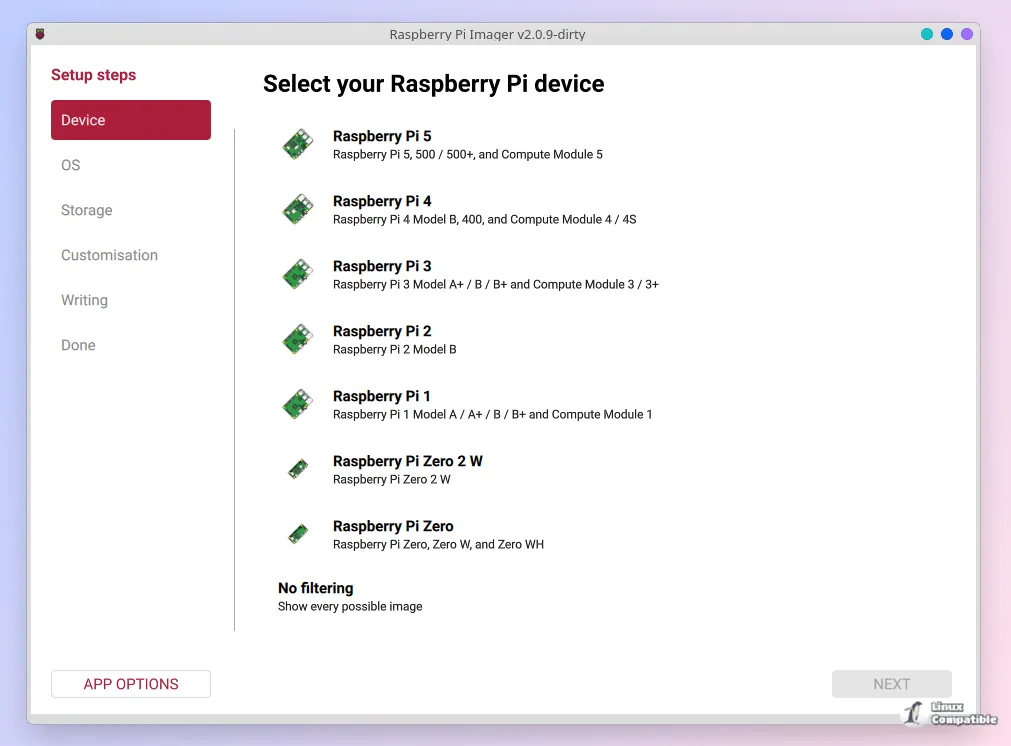
The v2.0 line has been a heavy lift. It swapped out the old C++ widgets for a Qt/QML rewrite. The new interface looks cleaner. It supports a wizard flow that pulls in Pi Connect for organizations. That flow just broke.
If you tried to set up a Pi Connect account during customization, you hit a wall. The Next button stayed gray. You signed in via browser. The token filled in. Then the field cleared itself. The binding on the text component fired a handler that read the previous empty state. It nuked the token before the button could enable.
This was a race condition in the QML evaluation order. Tom Dewey, the lead developer, fixed it with a one-line adjustment to ensure the binding resolves before the step handler runs. At this point, you might be wondering why a flashing tool needs such a complex fix. The answer is that Qt bindings re-evaluate only after every handler finishes. The custom step was reading the value too early.
The version number change signals a new cadence
This is the first time the version has four parts. The previous three-part parser dropped the trailing number. On Windows, this meant the installer reported the same file version as the release it was supposed to fix. Enterprise tooling like winget or SCCM would see a duplicate.
The CMake parser now captures an optional fourth component. Telemetry got the same treatment. You'll see 2.0.11.1 reported correctly now. The embedded build script also got a quick update to stop truncating the number.
The AppImages shipped a Wayland plugin without its dependencies. Specifically libxdg-shell.so. If you were on a system without libxcb-cursor0, the app refused to start. The fix copies the missing plugins into the deployment bundle. Verified across arm64, armhf, and x86_64.
There were also nine cloud-init generator tests that had been failing since v2.0.7. They asserted a payload that no longer gets written. The shared device test opened from a static constructor, which messed with CTest discovery. That one got routed to stderr. Catch2 was reporting skipped tests as failures because of how the test discovery script parsed stdout.
Enterprise push continues
This release signals a shift. The v2.0 line is clearly aimed at schools and businesses. Pi Connect for Organizations allows device enrollment via HTTPS. The CM5 supports secure boot re-provisioning. The Imager is the frontline tool for managing these fleets.
Fixing the enrollment wizard so quickly shows the team is listening to that market. v2.0.11 dropped on August 14. This hotfix landed three days later. That's not typical open-source pacing. It suggests a formalized cadence for urgent fixes.
If you need more details, the full release notes are on GitHub. All 22 assets are available at the release tag. You can grab the Windows installer, the macOS DMG, the CLI debians, or the embedded build for network booting. SHA256 checksums are published if you want to verify the files yourself.
Head here to the release page to get the update.


