Manjaro Linux 26.1.0 Drops on SourceForge with Linux 7.1 as Default Kernel
The final version of Manjaro Linux 26.1.0 has hit SourceForge, and the build metadata tells you everything you need to know before you even pop the ISO: the default kernel is now linux71, which tracks Linux 7.1. That's a massive jump from the 6.x series that powered the previous Manjaro 26.0.4 release. If you're running a fresh install or upgrading from 26.0.4, you're looking at the most significant kernel shift Manjaro has made in a while.
The naming convention is a giveaway. The 260812 suffix in every filename locks the build date to August 12, 2026. Previous releases carried the 260327 tag. That puts 26.1.0 roughly five months after 26.0.4, which sits right inside Manjaro's rolling cadence. The upgrade path is standard rolling fashion, but the kernel transition is the real story here.
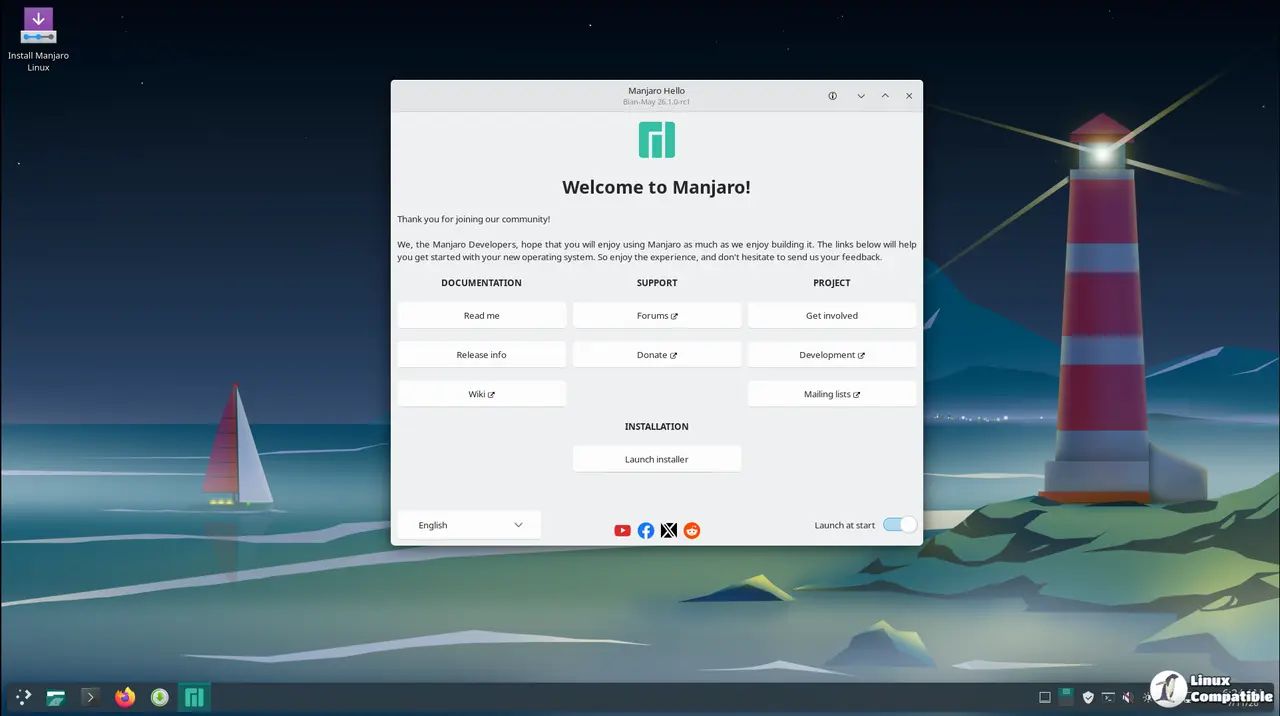
The Kernel Lineup: Linux 7.x Takes the Wheel
This release flips the script on what you get out of the box. linux71 is now the primary kernel, marked "Latest Version" on the SourceForge listing. You can still choose linux618 or linux612 if you need a fallback for specific hardware quirks. Here's the kicker: the old linux54 option is gone. Manjaro has dropped support for the 5.x kernel window entirely. That closes out a decade of backward compatibility for hardware that's been around since the mid-2010s.
If your rig is older than your typical smartphone, you'll want to check the compatibility before upgrading. Linux 7.x brings scheduler improvements and memory management updates, and Manjaro moving to it as default this quickly suggests the upstream code has matured fast. It's a solid step for daily drivers, though the loss of linux54 is a bittersweet trade-off. You get modern hardware support and new features, but older boxes get left in the dust. If you've got a 2015-era notebook gathering dust, this might be the moment to retire it. Otherwise, grab the ISOs while the mirrors are still warming up.
Three desktop editions are available. KDE Plasma, GNOME, and Xfce each ship in minimal and full variants. Sizes run from roughly 4 GB for the stripped-down minimal installs up to 5.5 GB for the KDE full build. GNOME minimal ISOs sit around 4.0 GB to 4.1 GB depending on the kernel. Xfce mirrors that range at 4.1 GB to 4.2 GB. You get the full desktop experience or a leaner setup that pulls packages from the repos as you go. KDE's full build is the heaviest at 5.5 GB, while the KDE minimal with linux71 comes in at 4.7 GB.
Keep in mind that the official download page at manjaro.org/products/download/x86/ still lists 26.0.4. The 26.1.0 images are live on SourceForge but haven't been promoted to the main site yet. That's standard procedure. Manjaro validates the builds on SourceForge before mirroring them to the primary CDN. The maintainers listed are buildcimjr, oberon2007, and founder Philipp "Philm" Müller. Manjaro GmbH & Co. KG is still steering the ship.
Every ISO comes with a .sig file for GPG verification, plus SHA-512, SHA-256, and SHA-1 checksums. There's also a .pkgs manifest if you need to set up an offline mirror. The three-layer verification is intact, which is good news if you're paranoid about supply chain attacks. You can verify the integrity of your download against Manjaro's signing key before trusting anything on your machine.
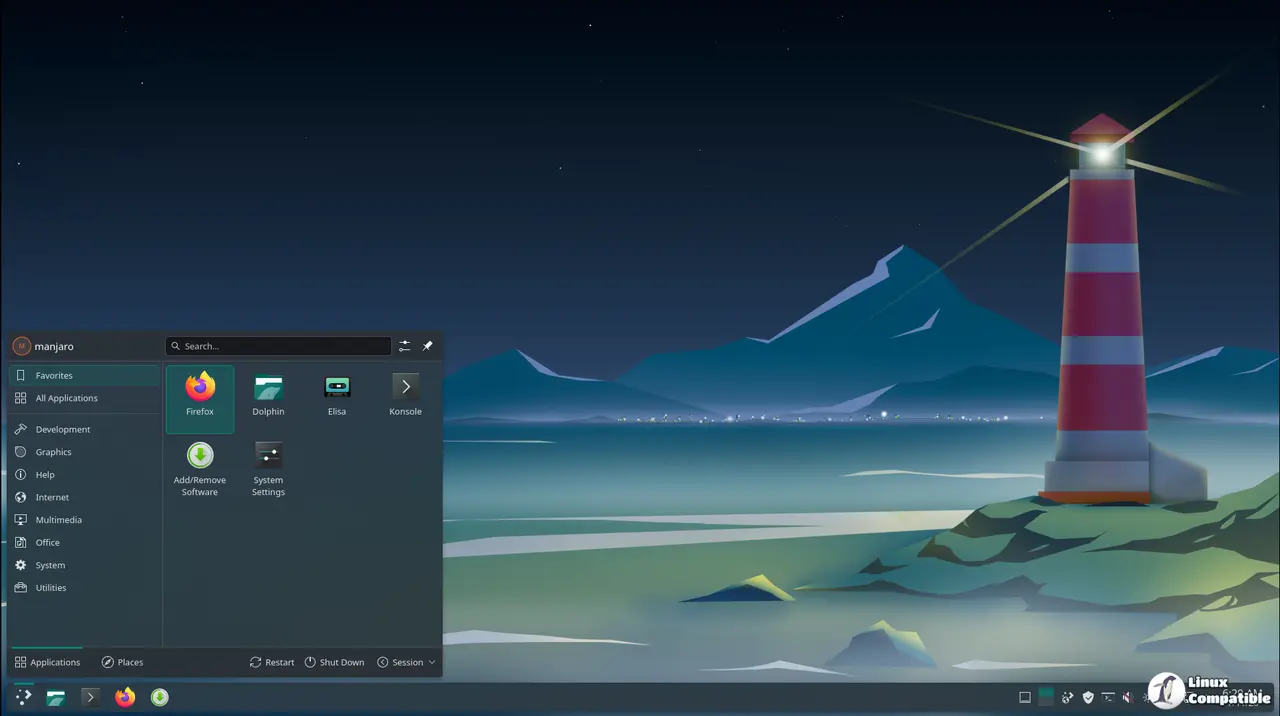
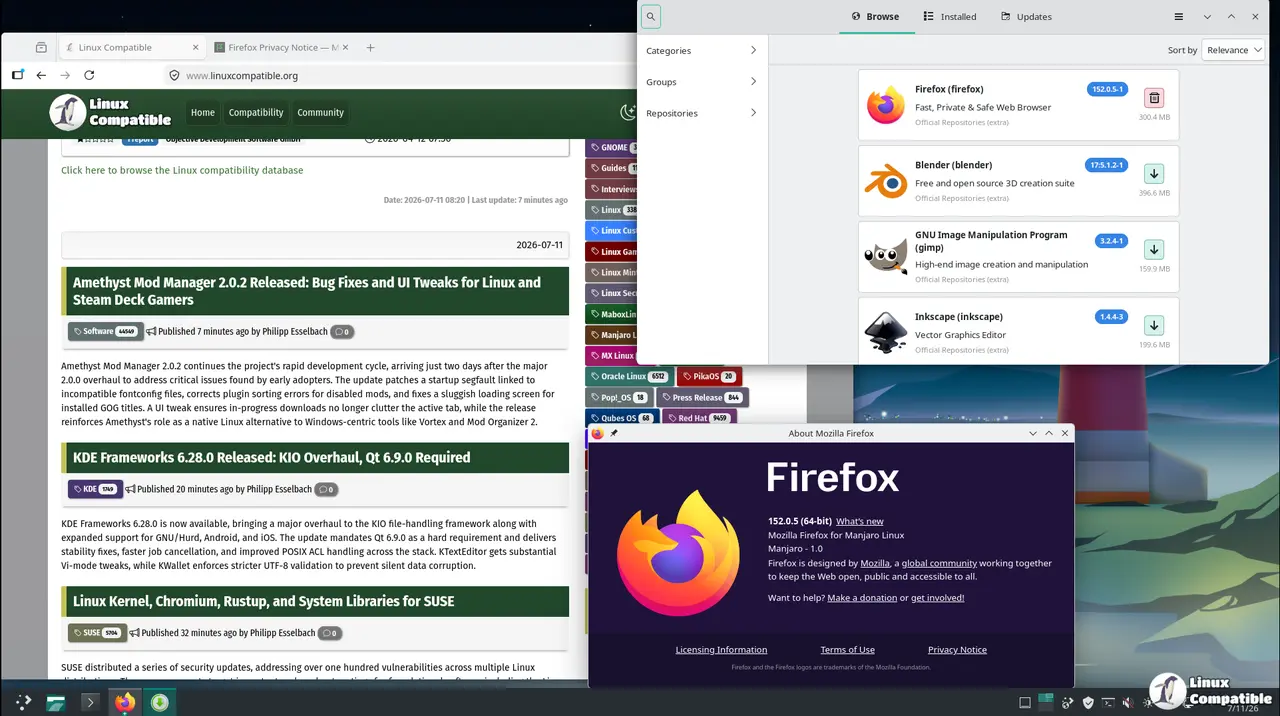
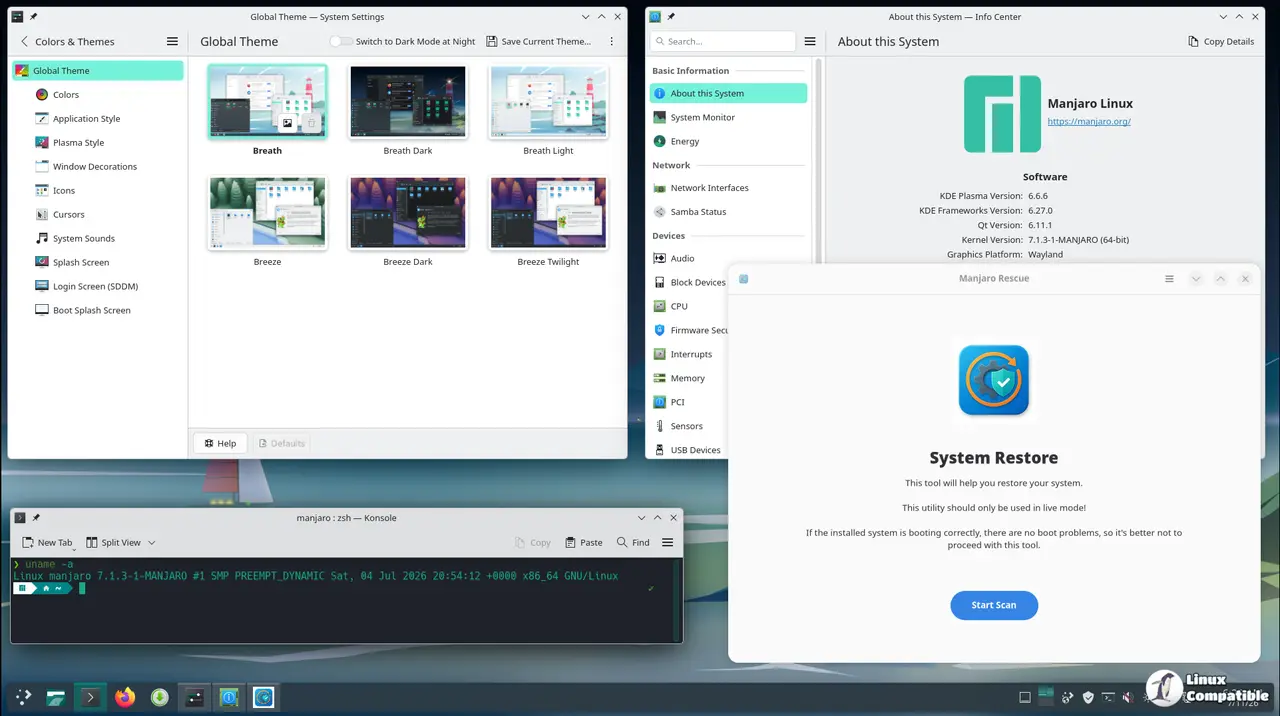
Download Manjaro Linux 26.1.0 now:


