Lutris 0.5.23 finally delivers GOG integration that took a decade to build
Lutris's newest release completes a decade-old request for GOG downloads, DLC, cloud saves, and more.
Lutris 0.5.23 shipped today, and it brings the feature most people have actually been waiting for: full GOG integration. That means depot-based downloads, DLC installs, incremental updates, and cloud-save sync, all folded into the open-source Linux gaming client. It lands about nine months after the previous stable build. In this case the wait was worth it.
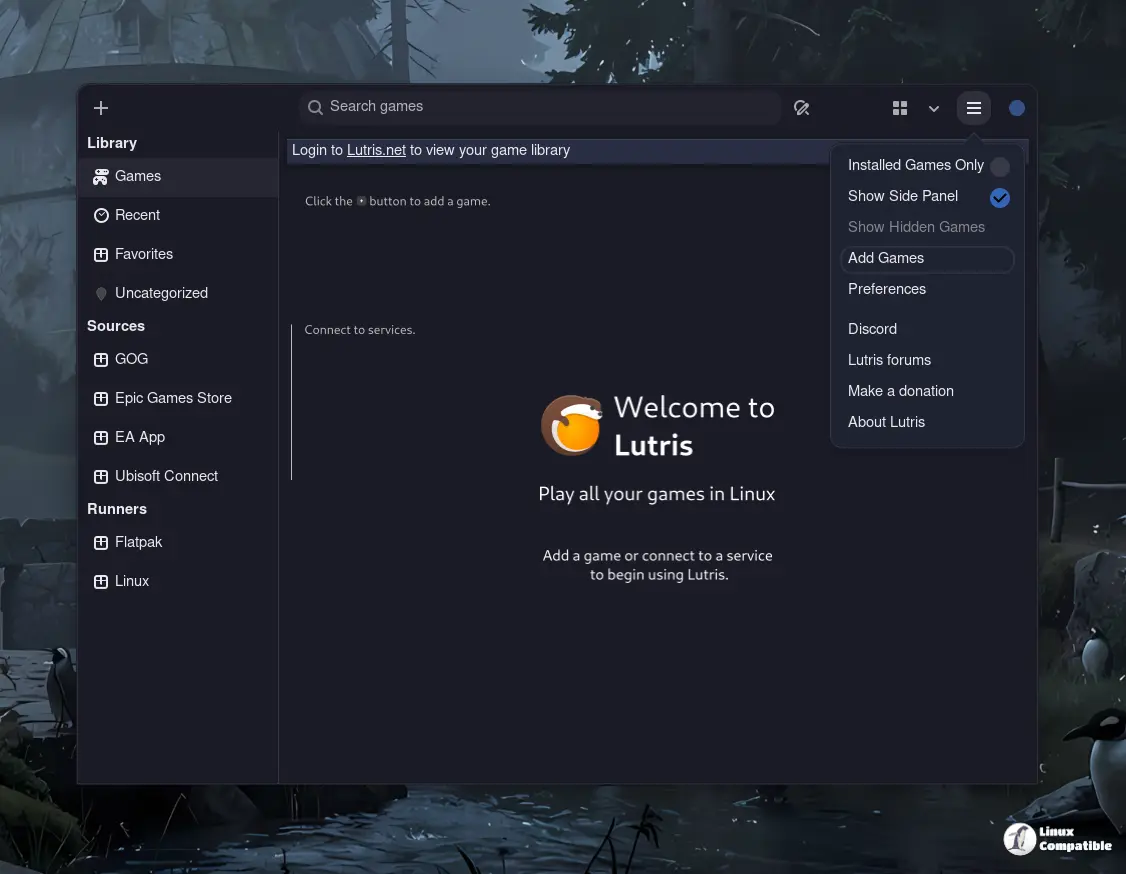
For those just arriving, Lutris is a free-and-open-source hub that lets you gather, install, and launch games from just about every era. It stitches together emulators, engine re-implementations, and compatibility layers like Wine and Proton behind a single interface. It doesn't sell you games. Instead it automates installations through community scripts and pulls libraries from storefronts like Steam, Humble Bundle, and, now, GOG.
A ten-year itch, finally scratched
The GOG work is the headline, and it's a big one. Support for GOG has been requested and tracked since 2015. Back on 17 January 2015, contributor RobLoach opened GitHub issue #154 titled "Linux GOG Downloader," pointing at third-party tools like lgogdownloader. strycore took it onto milestone 0.4.1 and decided Lutris would build its own implementation rather than lean on external projects.
By December 2018, strycore reported that GOG API authentication was essentially done and even demonstrated importing a GOG library. It was still buggy, he admitted, but the issue got closed as completed. Now, ten years later, that promise actually ships.
So what does 0.5.23 give GOG users? Depot-based downloads through an integrated gogdl module. DLC installs and incremental updates, so you re-download only what changed. A repair option for depot installs under the "Install updates" menu. GOG cloud-save sync. Parallel download connections with resume support, which matters a lot for large library pulls.
There's also a pragmatic touch. When no installer matches a given runner, Lutris falls back to the Windows GOG installers so Linux users aren't left empty-handed. It's the sort of detail you only appreciate if you've been bitten by a missing installer before.
More than just GOG
The rest of the release isn't small, either. Two new game sources join the fold: GameJolt and DLsite, the latter being a major Japanese marketplace for games, doujin, and adult content. A Playtron import path shows up as well.
Lutris now drops direct store-page links across seven retailers: GOG, Steam, itch.io, Humble Bundle, Flathub, ZOOM Platform, and GameJolt. One click from a game entry to where you can buy or learn about it.
Of more interest to the hardcore crowd, installers now use GE-Proton via umu instead of a generic Wine build. Lutris will pull GE-Proton releases pinned by an installer script straight from GitHub, aligning with the community's shift toward the umu runner. DXVK-Sarek is also enabled on Proton runners when Vulkan sits below 1.3, helping older GPUs.
Humble Bundle got some love too. Authentication and error handling improved, Lutris can now offer both the Linux and Windows installers, and a fix stops nested archives from auto-extracting in a way that used to break installs.
Speed, polish, and a safety net
The performance round targets large libraries and fast startup. Sorting and filtering now exist in the Uncategorized, Missing, and Running views. Cover art fills grid view and banners fill list view by default. Libretro cores and MAME systems are lazy-loaded to dodge UI stalls. GPU detection and library checks get deferred to speed up boot.
A few bug fixes are worth naming. Lutris won't launch a game when its Wine version is missing, which is a genuine safety change. Installer return codes now report correctly, a 1 instead of a 256, while preserving backward compatibility for older scripts. The Xenia runner's download URL and launch command are fixed. The Steam API key is no longer logged when the library sits empty.
New languages include Swedish, Galician, and Traditional Chinese, plus updates to Greek, French, Portuguese (Brazil), and Simplified Chinese. Packaging gains an experimental AppImage and a NixOS shell.nix environment for contributors.
Where to get it
0.5.23 is available as a DEB package for Debian and Ubuntu-based distros, a universal AppImage, and other distribution-specific builds. You can run it from source with ./bin/lutris or pull it through the project's normal channels. Keep in mind the usual command-line options still apply, like -i to install from a yml file and --installed to list games.
Head here to the GitHub release page for the full changelog.


