Liquorix 7.2-17 lands on Linux 7.2.10 with the usual scheduler tweaks
Steve Barrett just tagged the newest Liquorix Linux Kernel build, landing on today's Linux Kernel 7.2.10 release with the usual tweaks.
For context, Liquorix is not a from-scratch kernel. Barrett takes an existing upstream stable release and layers a curated patchset on top, aimed at a single thing: making your system feel snappier when you're actually using it. It's a drop-in replacement for your distro's stock kernel, free and GPL-2.0 licensed.
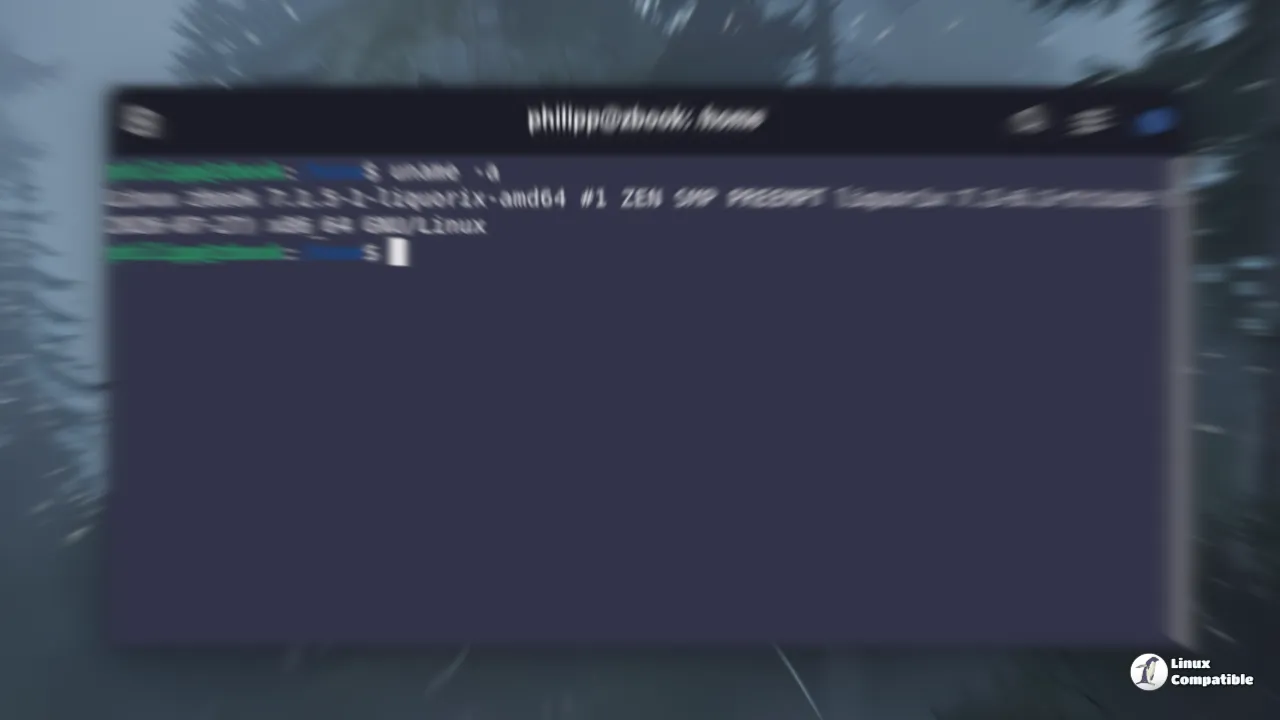
So what is 7.2-17, exactly? Read the changelog: "merge v7.2.10" and "update version to 7.2.10-1." That's it. It pulls in the latest upstream stable and re-applies Liquorix's responsiveness stack. No new scheduler feature. No config change listed. This is a maintenance release, and its only job is keeping you current on upstream security fixes without giving up the tuning.
The actual work landed last week. 7.2-16, tagged October 6, introduced a boot switch for the "PDS sleep credit." 7.2-17 simply carries that forward on top of 7.2.10.
What actually changes how your system feels
The reason Liquorix feels different from a stock kernel is the scheduler. By default it ships PDS, replacing mainline CFS and its successor EEVDF entirely. The numbers against a stock kernel are stark: 1000 Hz timer tick versus 250 Hz, full preemption instead of lazy, the performance governor instead of schedutil, and a NO_HZ_FULL tick model.
At 1000 Hz, the kernel can react to load changes in about a millisecond, roughly four times faster than a stock setup. Combine that with PDS's fast skiplist-based wakeups and interactive latency drops noticeably.
The "PDS sleep credit" in question is a heuristic that rewards a sleeping task with a priority boost when it wakes. 7.2-16 made it boot-toggleable, meaning you can compare the effect from the kernel command line without recompiling. It's on by default under the ZEN interactive profile.
Is this for you?
It's a rather fast-acting car for internals that aren't necessarily the most powerful. The low frame-time deviations help if you actually notice jitter, but this won't raise your peak FPS, and heavy compiles may take marginally longer. One caveat, though: Liquorix tracks the mainline, non-LTS tree, and a handful of issues report hard freezes on certain AMDGPU integrated-graphics setups. For a set-and-forget box, an LTS kernel is the safer bet.
Getting it installed is mostly painless. It's only built for AMD64 / x86-64, so ARM users can stop scrolling. Prebuilt packages exist for Debian, Ubuntu, and Arch, installable either through a one-liner script or per-distro repos. The Fedora package becomes your default boot entry across stock kernel updates, though Secure Boot has to be disabled for it to work.
Head here to liquorix.net for the install script, or go to GitHub for the release page and changelog.


