Linux Kernel 7.2-rc3 Drops With Another Round of Driver Fixes and Retro Gaming Surprises
Linus Torvalds has pushed Linux Kernel 7.2-rc3 to kernel.org, bringing the third release candidate of the development cycle to builders and distro maintainers. Released on Sunday, July 12, 2026, the patch arrives with the usual mix of driver updates, networking improvements, and filesystem tweaks. Nothing looks particularly scary or strange, which is exactly how the maintainer prefers it.
The release notes read like a standard Tuesday afternoon for the kernel team. “Things continue to look normal (the 'new normal' with slightly higher rates of commits, although I do get the feeling that we're seeing that slightly balanced out by people starting to go on summer vacation),” Torvalds wrote. “About half the changes are to drivers... networking and filesystems are the biggest areas... Nothing looks particularly scary or strange. Go forth and test,”
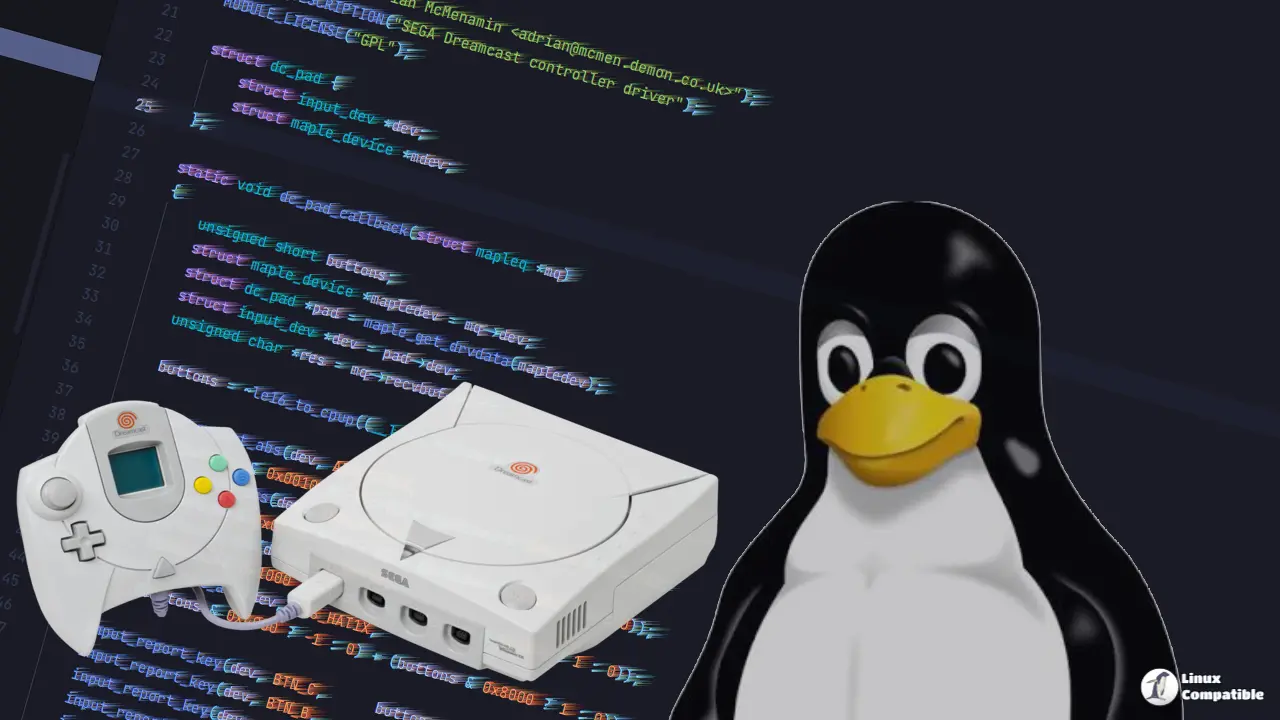
Key Hardware Shifts
You might expect the kernel team to be laser-focused on server rack stability. Instead, a few patches slipped through to quietly polish up SEGA Dreamcast drivers. It’s a small but welcome nod to retro Linux gaming that you probably didn't see coming. The practical upgrades are spread across your actual hardware stack. UltraRISC SoC support is now enabled in the default RISC-V configuration. Realtek RTL8723BS WiFi adapters get a serious hardening pass, closing out-of-bounds reads that could trip up when connecting to hostile networks. Multi-GPU users will notice improved display detection logic, and x86 systems get their usual round of architecture-specific bug fixes. Nick Desaulniers has also officially returned to LLVM kernel development, which is a quiet win for the Clang tooling ecosystem.
Keep in mind that this rc3 drop sits squarely in the middle of the 7.2 merge window. The stable release is tracking for August 2026. Ubuntu 26.10 (Edgy Eft), Fedora, and Debian Trixie will likely pull this in during the autumn pushes. Apple Silicon support is also quietly marching forward in the background, with initial Device Tree patches for M3 Pro, Max, and Ultra variants already posted alongside barebones M3 console boot support. PCI spec compliance work is slowly filtering in, along with early patches to harden Syscall User Dispatch for the next major cycle.
It's a perfectly unremarkable release candidate, and frankly, that's the point. Kernel development has shifted into a steady rhythm of thousands of contributors churning out patches across drivers, storage, and networking. The mention of AI-assisted patches in the changelog is worth noting too. Proof that the workflow is adapting, even if Torvalds remains characteristically dry about it. The price of stability here is just patience during the merge window.
Linux kernel 7.2-rc3 released
Linux kernel version 7.2-rc3 is now available:
Full source: https://git.kernel.org/torvalds/t/linux-7.2-rc3.tar.gz
Patch: https://git.kernel.org/torvalds/p/v7.2-rc3/v7.1
You can view the summary of the changes at the following URL:
https://git.kernel.org/torvalds/ds/v7.2-rc3/v7.2-rc2
You will want to watch the -rc4 drop later this month. Stable 7.2 should follow in August, barring any last-minute regressions.


