Linux Kernel 7.2 RC6 Is the Largest RC6 in Kernel History, and Linus Says AI’s to Blame
The August 2 release brought a record-breaking commit count, a wave of AI-generated patches, and another milestone in the 43-million-line codebase.
Linus Torvalds didn’t sugarcoat it. The Linux 7.2 Release Candidate 6 release clocked in as the biggest RC6 we’ve seen in years, strictly by commit count. Torvalds noted the usual breakdown: just under 60 percent drivers, 20 percent networking, and the remaining 20 percent split across architecture, tooling, and filesystems. He also flagged the elephant in the git tree.
According to Linus, a significant chunk of that volume traces back to AI and LLM-generated patches. It’s what he’s calling the “new normal.” Sound subsystem maintainer Takashi Iwai echoed the sentiment, noting that sound driver fixes arrived “far larger than wished” ahead of RC6. The long wait between rc cycles and conference deadlines left networking in the back half of the window, too.
“I hope that’s all there is to this, but it is a bit unnerving how big the changes are at this point, even if nothing in here actually looks all that strange,” Torvalds wrote. Fair enough. When the tree swells like this, you just cross your fingers and merge.
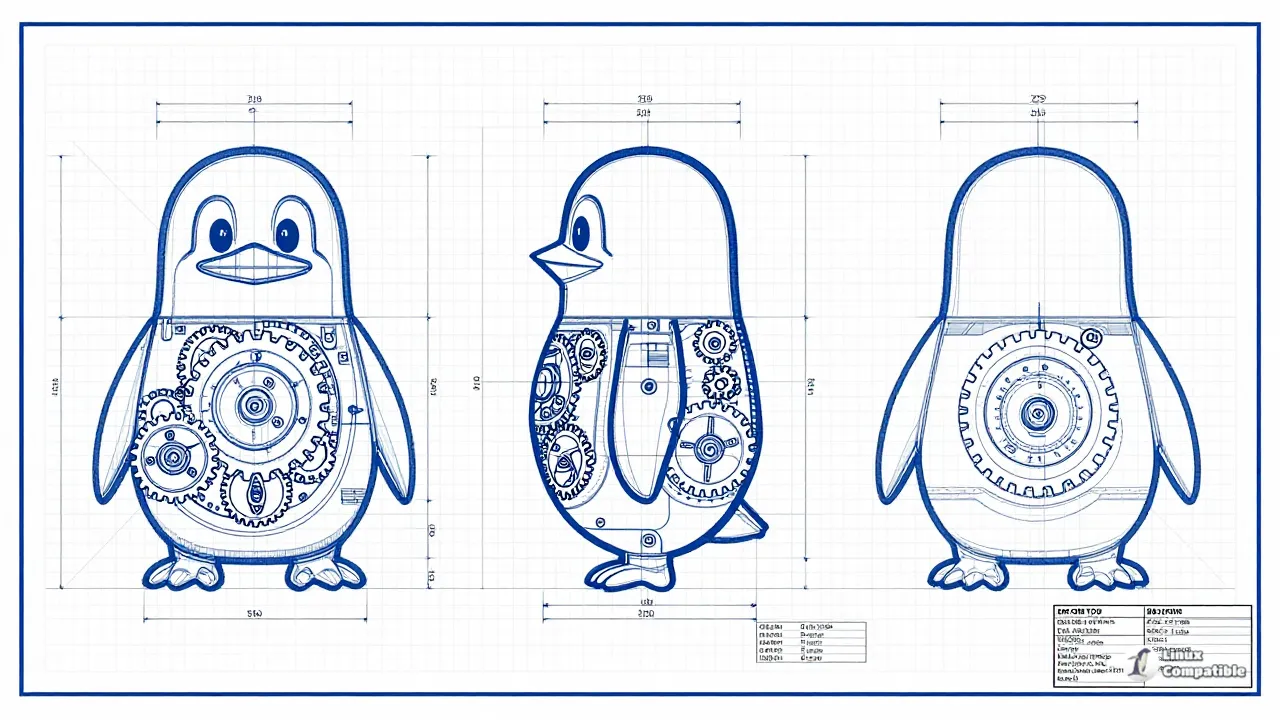
What Actually Shipped in Linux 7.2
If you care about raw throughput, MGLRU improvements are the headline. Benchmarks showed MongoDB pushing 30 to 100 percent higher throughput with the new memory management tweaks. Localhost networking got a speed bump, anonymous pipes run smoother for shell pipelines, and reading /proc/filesystems finally stopped feeling like a dial-up relic. 444 times faster, by the numbers.
Hardware support continues to stretch. Apple M3 SoCs now boot mainline, though it’s not ready for daily driving yet. The AMD ISP4 image signal processor landed upstream, which means webcams on the HP ZBook Ultra G1a and upcoming Ryzen laptops are finally supported. Intel’s TDX runtime updates no longer force a reboot for security patches, and preparations for Diamond Rapids, Nova Lake H, and Zen 6 are already in the pipeline.
On the GPU front, AMDGPU got long-overdue HDMI 2.1 Full Rate Link support. Power management got a new DC module, while Intel Xe is prepping for multiple Crescent Island SKUs. Nouveau picked up GA100 accelerator support, and there’s early groundwork for Blackwell-Next. Even the DRM subsystem got a heavy dose of RC6 bug fixes, which, honestly, it needed.
Btrfs large folios are now the default. XFS zone allocation is finally stable. The new in-tree NTFS driver got hardening and bug fixes. Networking is prepping for WiFi 8 and UHR, Realtek picked up a 10 Gbps USB ASIC, and after nearly a decade in staging, the RTL8723BS driver got a proper cleanup. The kernel also finally killed the strncpy API. Six years. Three hundred sixty patches. It’s gone.
The Good, The Bad, and The Legacy Drivers
RC6 did bring a few necessary band-aids. A critical x86 fix caught AMD Zen 5 CPUs being misidentified as Zen 6, which would otherwise break power management and scheduling for the EPYC 9006 Venice series. ATA quirks for buggy Western Digital Red Plus and other drives landed right before the cutoff. Security got an update too, with IMA/EVM picking up post-quantum ML-DSA signature support and new protections against malicious timer arming.
On the cleanup side, the kernel finally said goodbye to some seriously old code. Hercules Mono ISA graphics, Profibus, ARCnet, AppleTalk, Double-Talk speech synthesizers, and insecure AF_ALF crypto all got the axe. The kernel tree is sitting at over 43 million lines now, but at least it’s not cluttering up with half-formed filesystems anymore. Keep in mind that new documentation requirements are already in place to stop filesystem proliferation cold.
Linux kernel 7.2-rc6 released
Linux kernel version 7.2-rc6 is now available:
Full source: https://git.kernel.org/torvalds/t/linux-7.2-rc6.tar.gz
Patch: https://git.kernel.org/torvalds/p/v7.2-rc6/v7.1
You can view the summary of the changes at the following URL:
https://git.kernel.org/torvalds/ds/v7.2-rc6/v7.2-rc5
All of this pushes the expected Linux 7.2 stable release to mid-August 2026. And if you think the tree will finally settle down? Patches for 7.3 are already bleeding into the mainline branch. Intel Starfire, Qualcomm Adreno 704/722 GPUs, AMD DCN6 for RDNA5, and desktop overclocking support via AMD HSMP are just a few of the things waiting in the wings.


