GloriousEggroll Releases GE-Proton11-2, Adding Wired PS Controller Haptics and Quick Regression Fixes
GloriousEggroll has published GE-Proton11-2, a targeted patch release arriving just weeks after the sweeping media rework of 11-1. The update isn't trying to reinvent the wheel here. It is focused on fixing audio regressions, restoring VR functionality, and adding wired USB haptic feedback for PlayStation controllers.
You might remember 11-1 as the release that gutted GStreamer and forced every game through a single winedmo/FFmpeg path. It was huge. Roughly four months of development went into it. And like any project that size, it introduced regressions. Issue #567 flagged audio stuttering in Cyberpunk 2077. Issue #605 reported PulseAudio starvation cutting out audio after 93 minutes in Riddle Joker. This release is the cleanup crew.
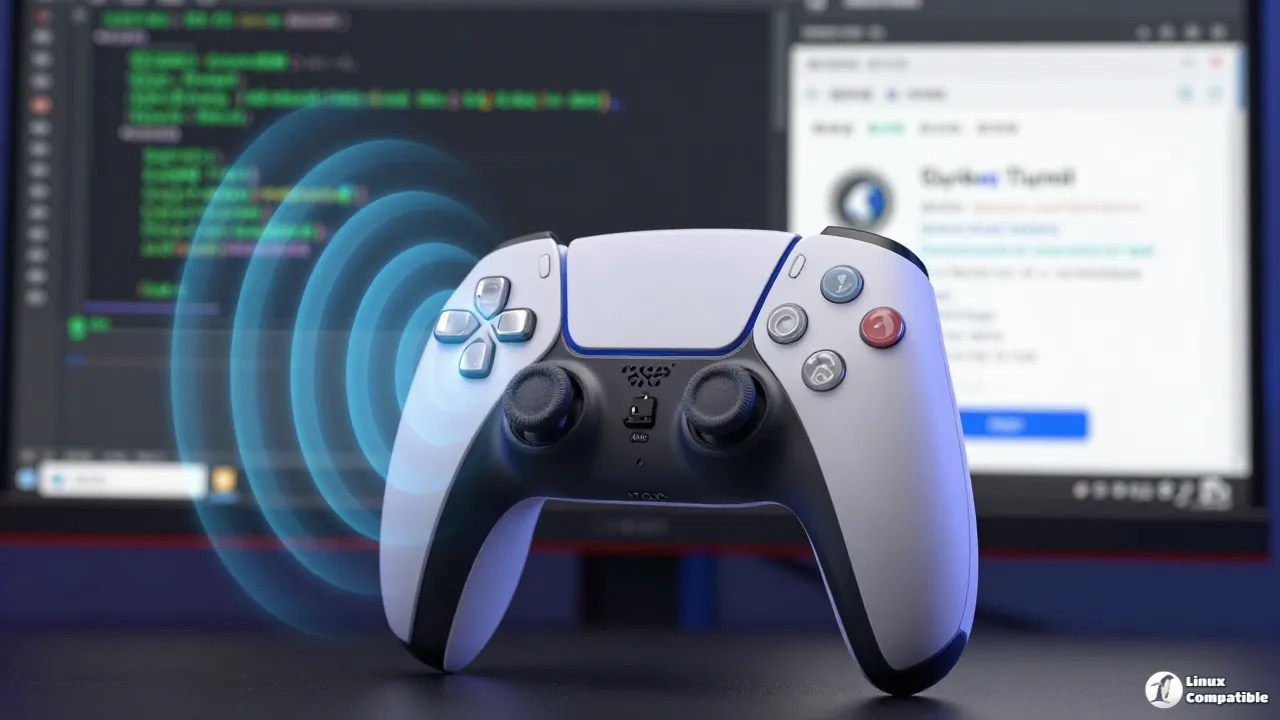
Wired Haptics for PS Controllers
The headline feature, though, is wired USB haptic feedback for DualShock 4, DualSense, and DualSense Edge controllers. Keep in mind that Sony's Linux driver has historically been a mess when it comes to DualSense features. GE-Proton11-2 routes controller audio output through PulseAudio instead of exposing direct ALSA endpoints. You can now feel the trigger resistance and vibration in supported titles. The maintainer confirms it is working in Stellar Blade and Spider-Man Remastered. Hotplugging between controller models also survived the testing.
This is notable because getting wired USB haptics working through Wine/Proton without Bluetooth was a significant technical achievement. The implementation standardizes PulseAudio routing for the feedback, which means you can switch between a DualShock 4, a DualSense, and a DualSense Edge without breaking the audio stream.
On top of that, the patch ports upstream Valve fixes that make Marvel Rivals and Diablo IV actually playable. The Rivals fix is critical for the game to launch at all. Diablo IV needed the same treatment to stop throwing compatibility errors at startup. The build also includes a grab bag of specific fixes. VRChat's HLS playback now handles YouTube streams and audio seeking correctly. GTA San Andreas finally displays its opening MPEGs without turning the screen black.
Under the Hood
The media stack itself did not get a rewrite. GE-Proton11-2 simply added stabilization patches on top of the 11-1 foundation. It rebased the FFmpeg/winedmo video stack onto a newer Wine version. It added remote HLS URL support for those VRChat streams. It also improved audio clock recovery and long-running stream timing.
The build infrastructure got a tune-up as well. AArch64 builds were missing bzip2, and the prefix creation script broke on an imported regression. The maintainers also rebased the EM-11 Wine Wayland patchset, which improves layered windows, fractional scaling, and pointer warping under Wayland. If you are running a Wayland session, that is a quiet but meaningful improvement.
It is a rather conservative release compared to the 11-1 monolith. You will not see 400+ reactions on the release thread. But that is the nature of patch releases. The maintainer noted he did not have time to run thorough regression testing on video playback after the 11-1 changes, so he shipped targeted fixes first. That kind of transparency usually builds more trust than a feature dump.
GE-Proton11-2 is available now from GitHub. You can grab the x86_64 or AArch64 tarball directly. Head here to the release page for the full changelog and download links.


