GE-Proton 11-10 ships with anti-cheat progress and a fix for the Path of Exile frame-rate collapse
GloriousEggroll's latest community compatibility layer lands today with Wine-level syscall emulation and a patch for a controller bug that halved games like Path of Exile.
GloriousEggroll pushed GE-Proton 11-10 to GitHub today. This is the newest version of the fork that lets Windows games run on Linux, SteamOS, and the Steam Deck. It's a fix release rather than a rewrite. It sits right on top of GE-Proton 11-9, and two threads carry the entire 11 line: pushing anti-cheat support forward through Wine syscall emulation, and repairing the performance regressions earlier builds left behind.
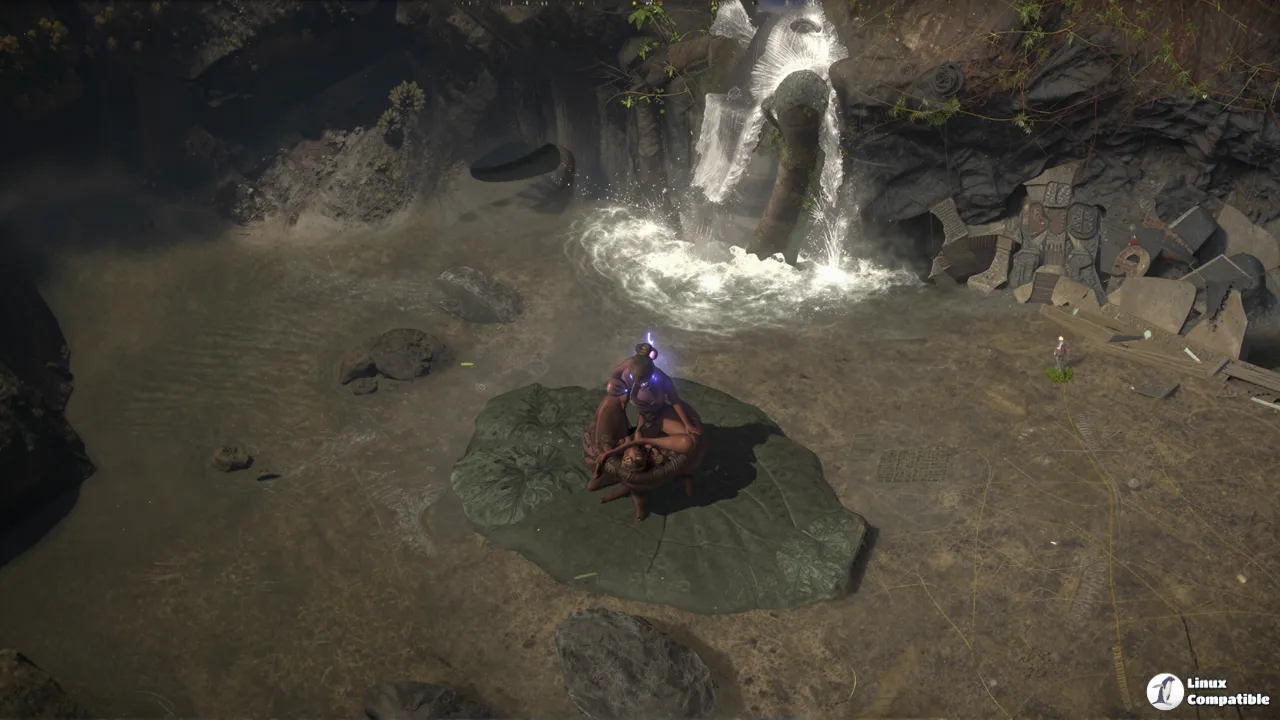
The biggest item for the scene at large is the Wine update. It's a Valve bleeding-edge build dated 2026-10-16, and it adds upstream syscall emulation through Syscall User Dispatch plus native-syscall handling for Easy Anti-Cheat launchers tagged "EOS." Neither name warrants a cheer on its own, but together they push toward a goal Linux gamers have chased for years: running anti-cheat-protected multiplayer titles on Linux.
The anti-cheat question has been bubbling quietly for a while now. It's worth a moment to glance at the wider picture, since the same syscall-emulation trajectory is the one Epic has been riding toward official Easy Anti-Cheat support on Linux. Each release nudges the line forward without ever declaring victory. GE-Proton 11-10 is more of the same. Incremental. Honest. Pointed the right way.
The part that bites harder for regular users is the controller fix. Since GE-Proton 11-8, the automatic PlayStation-controller XInput fallback had been rescanning every HID device whenever a game polled an empty slot. The result is Path of Exile dropping to roughly 50 FPS from 200-plus. That's a rough deal, and the release fixes it. The notes also name Le Mans Ultimate's sluggish slow-motion physics with a Moza wheel, plus Story of Seasons: Friends of Mineral Town losing frames under the SDL prefallback. The culprit was pinned down with PROTON_SONY_AUTO_XINPUT=0 in issue #862. Keep in mind that GloriousEggroll still lists the in-game confirmation as pending.
Under the hood
Component updates form the foundation. Beyond the Wine build, GE-Proton 11-10 moves to DXVK v3.1.1-134, which brings D3D9 texture, StretchRect, and device-reset fixes along with a workaround for an EA anti-cheat code-signing crash and a fix for Call of Duty: Ghosts. D7VK has been rebased onto that same DXVK version, VKD3D-Proton picks up synchronization fixes around queued transfers, and FEX, the ARM64 emulation layer for the Steam Machine, lands at FEX-2610-30. The old PROTON_LIMIT_ADDRESS_SPACE workaround is gone, since the issue it patched for Reverse: 1999 and Blue Protocol: Star Resonance was resolved upstream.
The controller work gets most of the attention, and it's the right call. Alongside the headline fix, Sackboy: A Big Adventure and Rune Factory 4 Special now default to PROTON_SONY_AUTO_XINPUT=0, resolving a DualSense being misassigned to player two and scrambled DS4 input. Bluetooth DualShock 4 and DualSense rumble work through the XInput fallback too, and a handful of environment variables that the HID bus driver used to ignore finally reach it. The release credits @ilyasbounoua for the rumble pull request.
There are other refinements worth a glance: a GNOME popup crash fix, a MonoGame fix that stops songs stalling when replayed, and a KDE Plasma HDR improvement that uses KWin's per-monitor state so HDR displays get detected even when SDR brightness sits at the HDR reference level.
Behind the build
There's just one person officially running the show. GloriousEggroll works as an engineer at Red Hat, creates Nobara Linux, and maintains Lutris. They hold a strict "only one official build" policy and repeatedly warn that unofficial mirrors and forks, the ones on Flathub and Snap included, are not tested or endorsed. The repo sits under a BSD-3-Clause license and is forked straight from ValveSoftware/Proton.
For what it's worth, the whole thing started out of sheer frustration. In a 2021 Boiling Steam interview, GloriousEggroll said Warframe's launcher was "terribly broken in Wine," which led to scripted fixes, bug reports to DXVK and FAudio, and eventually becoming a Wine-staging maintainer. Proton arrived and bundled all of that work into one portable build. The project now stars past 15,000 on GitHub, and GloriousEggroll has described GE-Proton the way you might expect from a fan of sci-fi shooters and Resident Evil: likening it to wine-staging applied to an already great project.
The trade-off is well understood in the community. Stock Proton favors stability and rides Valve's own release cadence, while GE-Proton ships newer components and fixes first with better media and codec support. That speed comes with a higher chance of exactly the regressions 11-10 had to patch. The standing advice is to keep an older known-good version installed. Steam stores each Proton build separately, so switching back takes seconds.
GE-Proton doesn't ship with Steam, so installation stays manual. On a Steam Deck or Linux PC, the easiest route is the free ProtonUp-Qt manager: install it from Discover or Flathub, pick "Proton-GE," grab the latest, then force GE-Proton 11-10 in a game's Properties → Compatibility. Native Steam users can drop the release tarball into ~/.steam/steam/compatibilitytools.d/ instead, with a copy-paste script in the README for those who prefer it.
The Flatpak and Snap options exist but are flagged as unofficial, so use them at your own risk. Non-Steam games need the umu-launcher, which mimics Steam's containerized runtime, and Lutris and Heroic now fold umu and GE-Proton into their defaults. For the truly curious, the repo documents a full build-from-source workflow if you want to inspect or tweak the stack yourself.
Reception is broadly positive. Path of Exile reportedly runs well and the controller fix is the one most people are thanking GloriousEggroll for this week. The anti-cheat items are provisional though. Both the EAC/EOS syscall work and the Arknights: Endfield ACE driver fixes carry "not yet confirmed" or "still unresolved" caveats, so treat them as in-progress rather than gospel.
Installing bleeding-edge compatibility layers is a gamble by design, and 11-10 is no exception. A new build can always turn a game that worked yesterday into one that won't start today.
Head here to the GitHub release page to download the release and for detailed release notes.


