DXVK 3.0.2 Drops With Hang Debugging Tool and Quick Game Fixes
The rapid point release cycle continues just weeks after the massive 3.0 overhaul, targeting GPU crashes and recent AAA titles.
Philip Rebohle, known online as doitsujin, pushed DXVK 3.0.2 out on July 17, 2026. If you're running Windows games on Linux or the Steam Deck, this latest patch is already downloading to your system. The 17.9 MB release tarball has pulled in over 12,355 downloads in record time.
DXVK has quietly become the backbone of Valve's Steam Play ecosystem. That open-source translation layer takes Direct3D 8 through 11 calls and converts them to Vulkan at runtime. Without it, millions of Windows-exclusive titles would stay locked to Windows. The project now sits at 17,600 GitHub stars, and the community clearly wants it working flawlessly.
The headline feature in 3.0.2 isn't a massive architectural shift. It is the DXVK_DEBUG=hang environment variable. GPU crashes and VK_ERROR_DEVICE_LOST errors are a nightmare to track down. This new flag narrows the crash location and spits out logs that actually help developers. It works best on AMD and Nvidia GPUs, though.
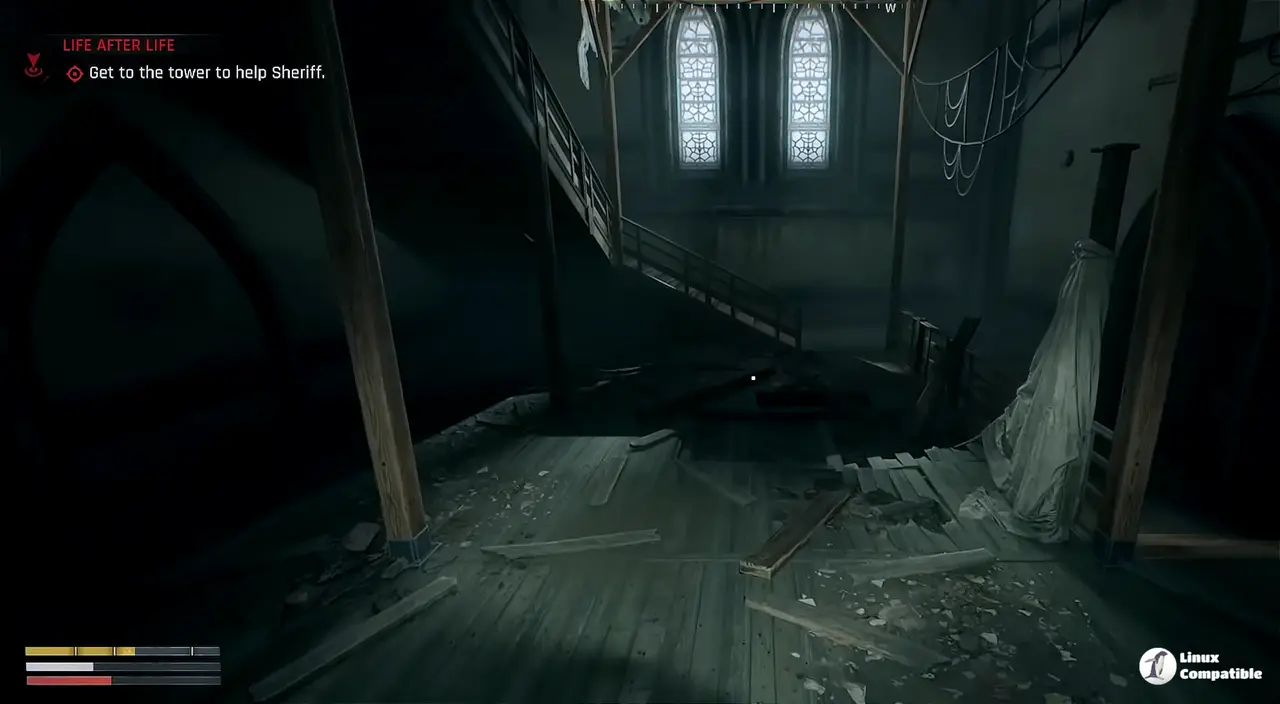
On the game side, the patch tackles a performance regression in Dying Light: The Beast. The issue stems from games creating a new DXGI factory every frame, which breaks FSR-enabled D3D12 titles. Granblue Fantasy Relink gets a fix for spurious Nvidia hangs. Overwatch, Halo CE, and Splinter Cell: Chaos Theory round out the targeted fixes.
It is a tight, responsive patch cycle. 3.0 dropped June 25. 3.0.1 followed July 5. Now we are at 3.0.2. Roughly 2.5 weeks between each. That is fast for a complex translation layer.
The 3.0 Foundation
You cannot look at this patch without acknowledging the massive ground it is built on. DXVK 3.0 rewrote the shader translation pipeline with dxbc-spirv. That SSA-based compiler for Shader Model 5.1+ saves around 1 GiB of system memory in heavy titles like Overwatch and God of War. Shader compilation now runs on worker threads. Disk caching moved to your Wine prefix.
Rebohle was clear about the performance tradeoffs though. "Outside of specific edge cases, the new compiler is not expected to improve overall performance." You are trading legacy compatibility headaches for modern Vulkan efficiency. Descriptor heaps are now the default, dropping the older descriptor buffer model. D3D9 gets ubershaders for fixed-function pipelines. Shared resources finally work on upstream Wine.
Keep in mind that DXVK 3.0 now requires Vulkan 1.4 drivers. AMD's Windows drivers for RDNA1 and 2 GPUs are already falling behind, leaving those users stuck on legacy binding models or pushed toward Linux. The hardware requirement is a hard line in the sand.
Heads up if you are on Windows. DXVK is not strictly a Linux thing anymore. Those Intel Alchemist driver hangs fixed in 3.0.1 also affect Windows users pushing Alchemist GPUs through DXVK. The translation layer has quietly crossed platforms. You can grab the tarball, test the stability, and verify your target titles before the next big update. It is a rather aggressive release cadence, but rapid iteration means quick fixes when the GPU bails.
Head here to the GitHub release page to grab DXVK 3.0.2.


