Bazzite Linux 44 Brings GNOME 50, KDE Plasma 6.6, and a Leaner Gaming Setup to Desktops
The latest Bazzite Linux 44 release shifts focus squarely toward desktop users while keeping the Steam Deck experience in the background. This update swaps out older frameworks for GNOME 50 and KDE Plasma 6.6, bumps the OGC kernel to version 6.19.x, and trims over a gig from the base image by moving heavy virtualization tools to a separate repository. Anyone running an older Bazzite build will want to check the rebasing steps before jumping in.
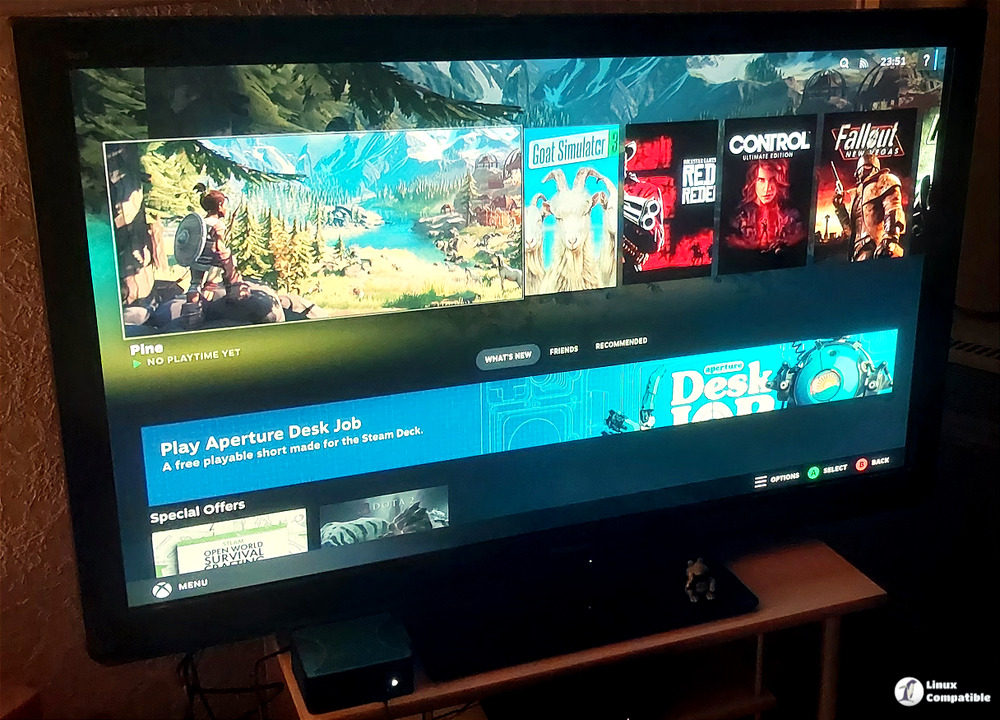
Bazzite Linux 44 Desktop Framework Upgrades
The desktop environment updates are the most visible changes for anyone using this distribution on a standard monitor or laptop. GNOME jumps to version 50 with fractional scaling and XWayland native scaling enabled by default, which fixes those blurry text issues that used to plague multi-monitor setups. KDE Plasma lands at 6.6 with a refreshed login manager that actually respects the default wallpaper instead of falling back to a generic gray screen. The switch from Ptyxis to Konsole on the KDE images removes a terminal emulator that never quite felt native to the desktop environment, and the new Konsole build ships with built-in container support for people who need quick access to root shells without breaking Flatpak sandbox rules.
OGC Kernel 6.19.x and Mesa 26.0.5 Handle the Heavy Lifting
Under the hood, the Open Gaming Collective kernel moves to version 6.19.11 with improved CPU schedulers that keep frame pacing tighter during heavy multitasking. The Mesa graphics stack updates to 26.0.5, which brings better Vulkan support and fixes several rendering glitches that used to cause stuttering in older OpenGL titles. Valve’s VRAM patchset is already queued for the upcoming kernel 7.0 release, so memory management on cards with limited video RAM should see noticeable improvements without requiring manual driver tweaks. The build system now generates SBOMs and uses OpenSSF security scanning alongside signed ISOs, which means anyone verifying checksums or running automated deployment scripts will get proper cryptographic attestations instead of guessing whether the image was tampered with.
Leaner Images and Removed Bloat
The base images shrink by roughly one gigabyte after QEMU and ROCm move to the separate Bazzite-DX repository. This decision makes sense for most desktop users who only need virtualization or AMD GPU compute when explicitly requested, but it does mean anyone relying on built-in container workloads will need to pull the DX variant first. Sunshine gets moved out of the default installation and now installs through a ujust brew command, which stops the automatic background recording service from eating CPU cycles on machines that never stream gameplay. Elgato 4K capture cards get native kernel module support right out of the box, so users who previously had to compile custom drivers or fight with OBS plugins can just plug in and start capturing without touching a terminal.
Rebasing an Existing Bazzite Linux Setup
Existing installations need to run the rollback helper before pulling the new base layers. The command bazzite-rollback-helper rebase stable switches the system to the latest branch, while bazzite-rollback-helper rebase 44.20260429 targets this exact release build. Running the specific version tag prevents accidental upgrades to unstable testing branches that might still be sorting out display server quirks.
bazzite-rollback-helper rebase stable
That tells the system to pull the latest stable manifest, which now points to 44.20260429. If you prefer to lock onto this exact build rather than whatever future “stable” may become, invoke the same script with the explicit version string:
bazzite-rollback-helper rebase 44.20260429
The development team is holding back on Steam Deck builds for now because the sheer number of framework changes requires extra validation cycles, but a slow rollout should begin once the desktop images prove stable under heavy gaming loads.
Grab the ISO if building fresh hardware or just want a cleaner desktop Linux setup that actually respects your time. The update process is straightforward, and the framework upgrades alone make the switch worth checking out.


