Audacity 4.0 Beta 4 lands with Qt6 overhaul and legacy imports
The fourth public beta skips Beta 3 entirely, shipping 689 commits and proving the MuseScore-powered rewrite isn't just a marketing slide.
Audacity 4.0 Beta 4 landed on August 28, and if you missed Beta 3, don't worry. It never happened. The project team decided to compress the release cadence after Beta 2 pulled in heavy community feedback, so they moved straight to the fourth drop. Between Beta 2 and Beta 4, 689 commits rolled through 300 changed files. That's a serious acceleration for a codebase that's been under active development for over two decades.
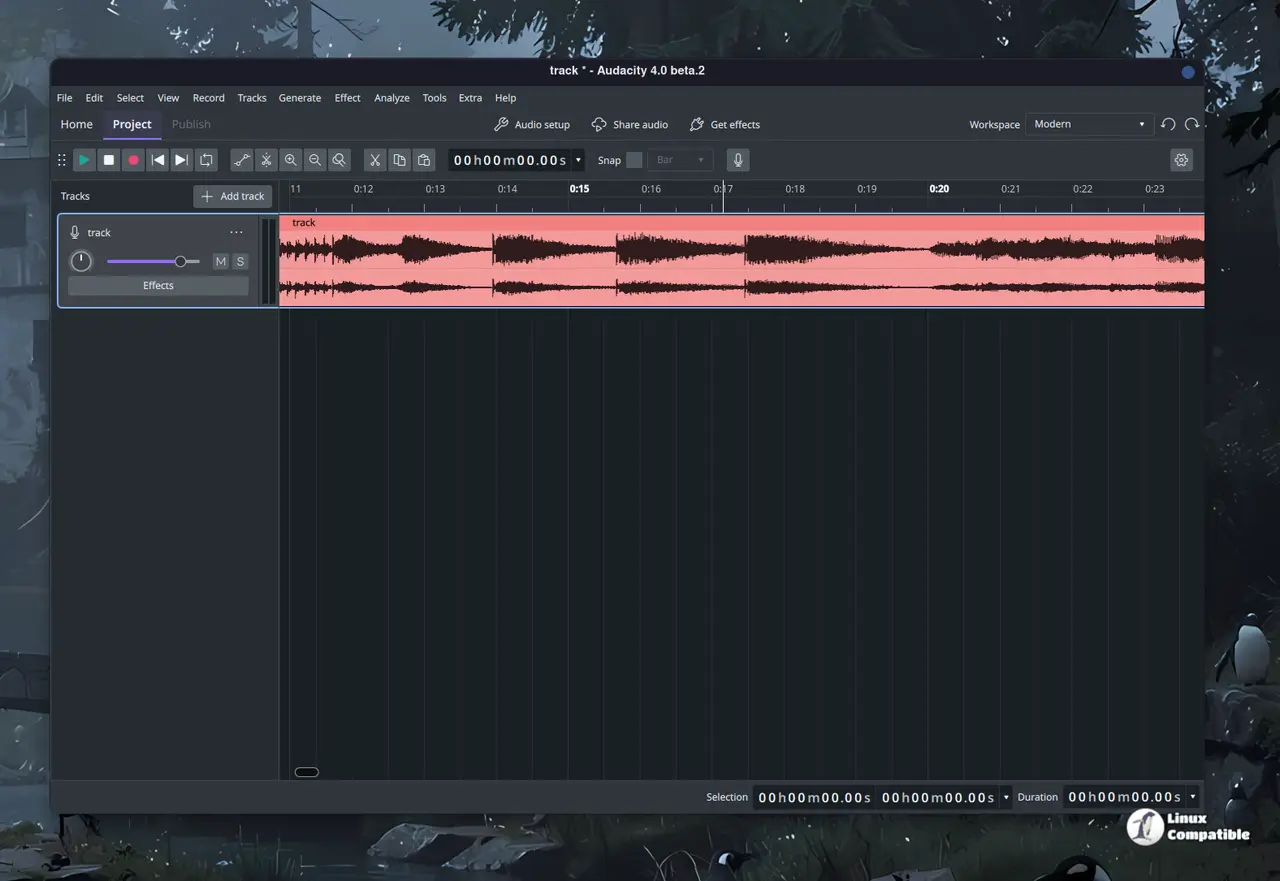
The headline change is the same one that's been looming since October 2024: the migration from wxWidgets to Qt6. The new interface isn't starting from scratch. The team is reusing the architectural foundation from MuseScore Studio 4, which Muse Group also owns. If you've ever tweaked MIDI routing or worked with a MuseScore project, the underlying UI logic will feel familiar. It's a pragmatic move, even if it means Audacity is now running on Qt6 while it's technically still called Audacity.
What actually shipped in Beta 4
The feature set is where this beta pulls ahead. Windows users finally get ASIO support, closing a gap that has plagued low-latency recording for years. It's arriving alongside FFmpeg 9, which expands codec compatibility without breaking existing imports. The legacy Bass and Treble EQ effect is back after being removed in the 3.x cycle, brought back almost entirely because the community loudly requested it. There's also an importer for Audacity 2.x's .aup project files, a "System default" audio device selector, and a new Export Preferences page with custom sample rates and a trim-blank-space option.
Stability changes are just as important for a beta this early. Broken plugins used to take the whole app down with them. Now the host scans for them, marks the offenders, and loads the rest without forcing a hard crash. The installer footprint shrank across Windows, macOS, and Linux, and native ARM64 builds are now available for both Windows and Linux. You can also build Audacity 4 from source in fully offline environments, which matters a lot for enterprise or restricted-network workflows.
The rewrite in context
Audacity 4 isn't just a skin swap. The team has been pushing a clip-based workflow, label tracks, spectral editing, metadata tagging, and multi-project sessions that let you drag clips between open windows. Cloud saving through Audio.com is built in, and exported projects upload directly to the platform. Backward compatibility with Audacity 3 projects will preserve clips, tracks, and labels, with an automatic backup copy generated before any conversion. Three things are officially deprecated: tempo tracks, LADSPA plugins, and Vamp analyzers. The plugin model now runs VST3 across all platforms, alongside Nyquist, AudioUnits, and LV2.
The shift to Qt6 was never just about aesthetics. After 25 years of wxWidgets, the team needed something that scales better across high-DPI displays, supports modern accessibility APIs, and actually compiles cleanly on ARM64 without legacy shim workarounds. Muse Group acquired the trademark and code in 2021, and the Qt6 pivot follows a similar pattern of pragmatic consolidation. It's not without risk. Rewriting the UI layer mid-release cycle means untested edge cases, and audio host integration has historically broken more often than it should.
At this point, the beta is stable enough for daily experimentation, though you will run into rough spots. The project team's roadmap targets a full public release soon, with the skipped Beta 3 likely a sign that the core architecture finally feels solid. If you're holding onto Audacity 3 for a specific legacy plugin or workflow, the backward-compat importer should smooth the transition.
You can grab the installers directly from the GitHub release page.


