AM 10.4 Lands with Non-Interactive Flags and a 3,388-App Database
The Bash-based Linux package manager doubles down on automation and community contributions in its biggest release yet.
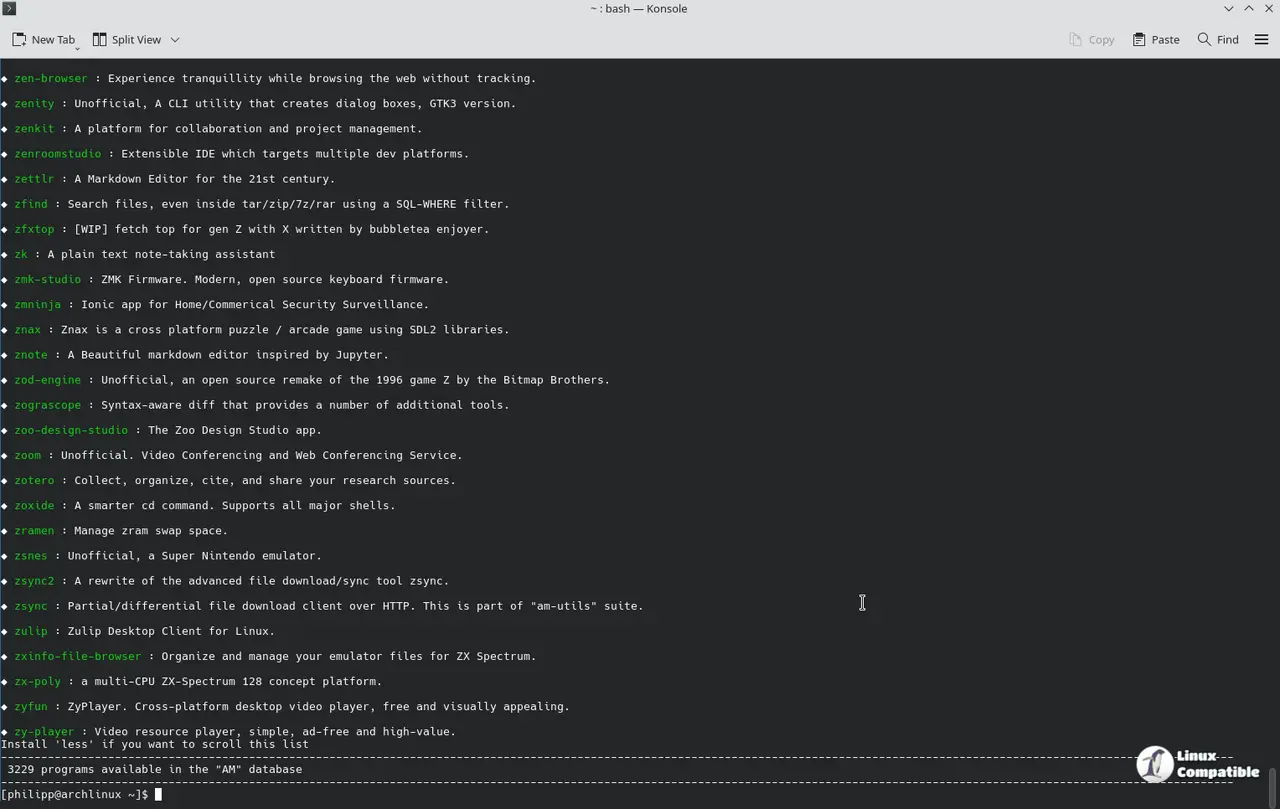
AM, the open-source AppImage manager for GNU/Linux, just shipped version 10.4. Released on August 13, 2025, the update pushes the supported app database to 3,388 entries and adds a global flag that finally makes headless installs trivial. If you've ever tried to script AppImage deployments across a fleet of machines, you know why that matters.
AM has been quietly filling a specific niche in the Linux ecosystem. Maintained by developer Ivan Hernandez-Cano, it acts less like a traditional package manager and more like a community-driven wrapper around upstream AppImages. You run the installer, it symlinks the am binary to /usr/local/bin/, and the database takes over from there. At this point, most Linux users still reach for Flatpak when they want a portable app, but AM occupies the space between that and manual downloads.
Automation First
The headline feature is the -y or --assume-yes flag. Contributed by GitHub user @vishnu350, it auto-confirms every prompt AM can possibly handle. Now you can run am -y install --force-latest firefox without babysitting the terminal. It's exactly what CI/CD pipelines and deployment scripts have been missing.
That automation push runs deeper than a single flag. The release adds flag-based installer configuration, environment variable support for AppMan's config paths, and automatic fallback dependency downloads. Combined, these changes mean you can spin up AM in a container build or unattended deployment script without touching a single interactive prompt. I've spent years watching sysadmins write fragile Python wrappers just to pipe yes into shell scripts. This replaces all of that.
Beyond the Flag
The rest of the changelog covers a lot of ground. There's a relocate option that moves your local AppMan directory while preserving .home and .config folders in portable mode, which solves a persistent headache for users who rely on portable profiles. A downgrade command lets you roll back to older app versions, and fuzzy "did you mean" suggestions now trigger when you typo a package name. Desktop integration also gets cleaner, with an improved .desktop file handler that stops conflicting launchers from cluttering your menu. Even path configuration now expands shell variables like $XDG_DATA_HOME.
The real story of 10.4, though, is who wrote most of it. Hernandez-Cano announced back in the 10.3 cycle that his new job would force him to step back. The community immediately filled the gap. Thirteen first-time contributors shipped their initial PRs in this release, bringing the total contributor count to 25. The maintainer's sign-off is refreshingly direct: "You're all the ones who make it so great. Thank you all!"
To keep the momentum from collapsing under its own weight, the project added Renovate[bot] for automated dependency updates, converted issue templates to structured YAML, and expanded regression testing. It's the kind of operational maturity that usually takes a solo maintainer years to build.
AM stays deliberately lightweight under the hood. It doesn't fight your system package manager or force you into a sandboxed runtime. Apps run natively, and sandboxing is entirely optional via external tools like aisap. The database itself can be pointed at community forks through environment variables like APPSDB, which means the project isn't locked to a single maintainer if things ever change.
It's not without friction. The database still relies on community-maintained shell scripts, which means you're trusting upstream installers with your system. And while the -y flag is a game-changer for automation, it does hand you a loaded gun if you run it blindly on production servers. But for anyone running a fleet of AppImage-based setups or building container images, AM 10.4 is genuinely useful. The shift from solo developer to community project looks healthy, even if it leaves the original maintainer hands-off.
You can grab AM 10.4 from the official GitHub repository. The install script supports both system-wide and portable appman modes, and the README covers the new environment variables in detail.


