XanMod kernel 6.19.3 lands – what you need to know before upgrading
The newest XanMod builds (6.19.3, 6.18.13, 6.18.13‑rt and the LTS 6.12.74) are now available for any 64‑bit Debian‑based system. This article explains which tweaks actually matter, points out the driver hiccups that have already shown up in the wild, and walks through a clean installation without turning your terminal into a bullet‑point nightmare.
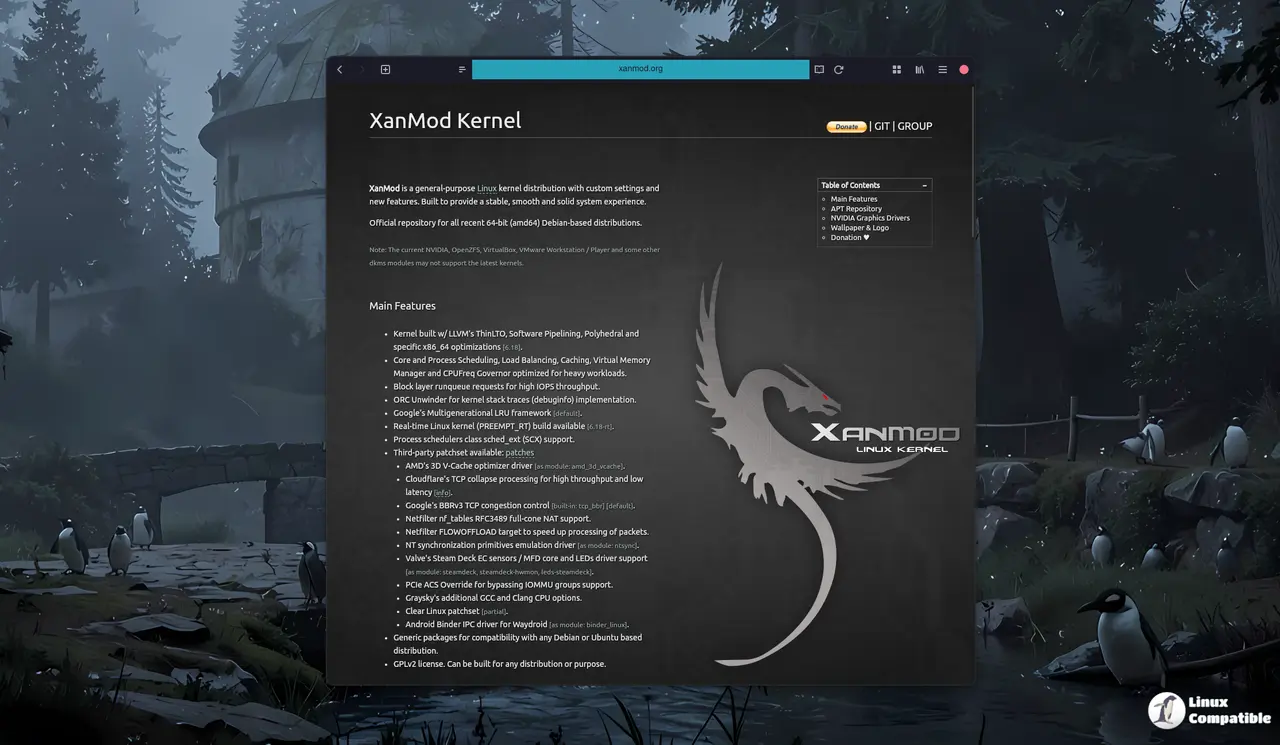
Quick look at what’s different
XanMod isn’t just “another kernel”. The 6.19 series ships with LLVM’s ThinLTO, which shaves a few percent off compile time while still feeding the optimizer enough detail to squeeze extra performance out of modern CPUs. On x86_64 you’ll also see polyhedral optimizations and a set of hand‑picked GCC/Clang flags that make the scheduler a bit more aggressive when you’re running heavy workloads such as video transcoding or large database imports.
The real eye‑catcher is Google’s multigenerational LRU, now the default cache replacement policy. In practice it means your desktop feels snappier after a long binge of Chrome tabs because the kernel keeps hot pages in memory longer and evicts cold ones more intelligently.
If you need low‑latency networking, the built‑in BBRv3 congestion controller replaces Cubic as the default TCP algorithm, while Cloudflare’s “TCP collapse” patch reduces per‑packet overhead on busy servers. The block layer has also been tweaked to push more IOPS through the run‑queue, which is why some users report a noticeable speedup when copying large collections of small files on SSDs.
What actually bites you
All that polish comes with a few growing pains. The most common complaint so far concerns NVIDIA’s proprietary driver: after updating to version 560.28 on a recent laptop, the kernel panics within seconds of booting into XanMod 6.19.3. The same thing has been seen with VirtualBox Guest Additions when the host runs the new kernel; the modules simply won’t load because they still expect older symbols.
OpenZFS users have also reported that the pool import fails on first boot after the upgrade, forcing a manual “zpool import -R /” from a live environment. The fix is to reinstall the ZFS DKMS package against the fresh headers, but that defeats the whole “just install and go” promise.
If you’re not chasing bleeding‑edge performance for a specific workload, those hiccups might outweigh the gains. In that case sticking with the distribution’s stock kernel or an older XanMod release (6.18.x) is perfectly reasonable.
Installing the new kernel on Debian/Ubuntu
First you need to trust the XanMod signing key. Grab it with wget and pipe it straight into gpg, which writes a de‑armored keyring under /etc/apt/keyrings. The command looks like this:
wget -qO - https://dl.xanmod.org/archive.key | sudo gpg --dearmor -vo /etc/apt/keyrings/xanmod-archive-keyring.gpg
Next, add the repository line to a new file in /etc/apt/sources.list.d. The echo command inserts the signed‑by clause and uses lsb_release -sc so it automatically picks up your codename (bookworm, noble, etc.). After that you run a normal apt update and install the package named linux-xanmod-x64v3. The full chain is:
echo "deb [signed-by=/etc/apt/keyrings/xanmod-archive-keyring.gpg] http://deb.xanmod.org $(lsb_release -sc) main" | sudo tee /etc/apt/sources.list.d/xanmod-release.list
sudo apt update && sudo apt install linux-xanmod-x64v3
If you rely on DKMS modules—think NVIDIA, VirtualBox, or ZFS—you’ll want the minimal build tools before pulling in the new headers. Installing dkms libdw-dev clang lld llvm without the “recommended” extras keeps the system lean while still giving the kernel enough to compile those out‑of‑tree drivers.
Finally, reboot and select the XanMod entry from the boot menu if it doesn’t become the default automatically. A quick uname -r after login should show something like “6.19.3-xanmod1”.
Keeping external modules happy
Because DKMS rebuilds each time you switch kernels, make sure your module source trees are up to date before rebooting. Running sudo dkms autoinstall right after the kernel install forces a rebuild of any already‑registered modules against the fresh headers. If a particular driver refuses to compile, check its upstream bug tracker; the NVIDIA and VirtualBox communities have already posted workarounds for the 6.19 series.
For OpenZFS, reinstall the zfs-dkms package after the kernel upgrade. The post‑install script will recompile the module with the new symbols, eliminating the need for a manual pool import on next boot.
Bottom line
XanMod’s latest kernels deliver genuine performance tweaks that most power users can feel—especially if you’re pushing storage or networking hard. At the same time, the usual suspects (NVIDIA, VirtualBox, ZFS) still need a little love to keep up. If you’re comfortable reinstalling a few DKMS packages and don’t mind a quick reboot test, go ahead and give 6.19.3 a spin. Otherwise, hanging on to the older 6.18.x line is a perfectly sane fallback.


