New XanMod kernel 6.19.9 and 6.18.19 LTS available for Debian and Ubuntu for better system responsiveness
The latest updates for the XanMod kernel are available now for those wanting better performance on Linux desktops without waiting for LTS stabilization cycles. This guide covers versions 6.19.9 and 6.18.19 LTS which bring specific scheduling changes and driver fixes that might break your setup if you rush blindly. Readers will learn how to add the repository safely and what hardware might break during the transition.
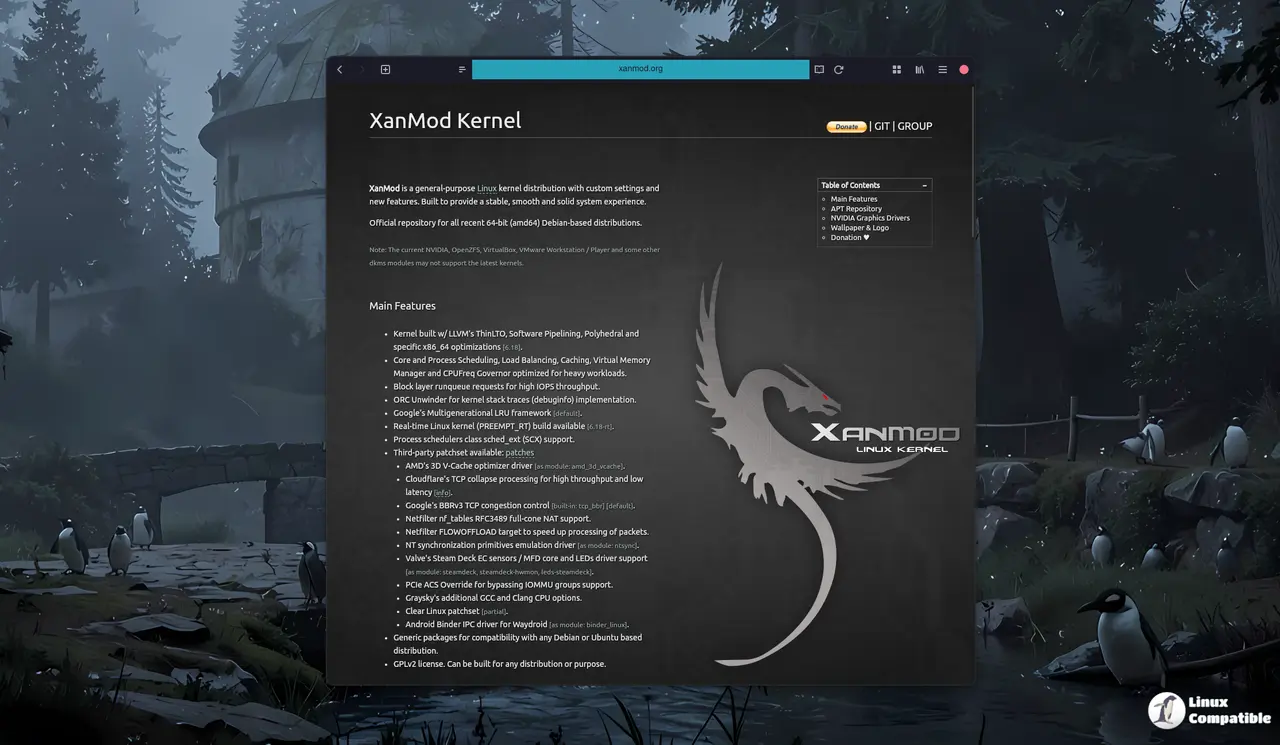
Why switching to the new XanMod kernel versions matters for power users
The main draw here is performance tuning rather than raw feature bloat for general use cases. Google's BBRv3 is now default which helps with network throughput on busy connections without needing manual configuration. There are also optimizations for AMD 3D V-Cache processors that regular kernels do not touch by default. Some users might notice smoother frame rates in games due to the real-time scheduling tweaks included in this build. It is worth noting that these gains come at the cost of stability compared to standard distro kernels.
The installation steps for Debian and Ubuntu users with the XanMod kernel
Getting started requires adding a specific repository key first so the system trusts the new packages from XanMod. A command downloads the archive key into the local trust store for future updates to ensure security during upgrades. Adding the source line points the package manager to where the actual files live on the server for installation. One must run the update command before attempting the install to ensure the cache is fresh and ready. The specific package name linux-xanmod-x64v3 targets modern x86_64 CPUs with AVX2 support built in. External modules like VirtualBox need DKMS dependencies installed beforehand or they will fail to build upon reboot.
First, bring the PGP key into APT’s trust store so it can verify every package that rolls out. Running the command below fetches the key and writes it to the appropriate directory; doing this before adding the repository protects you from man‑in‑the‑middle attacks on the kernel packages.
wget -qO - https://dl.xanmod.org/archive.key | sudo gpg --dearmor -vo /etc/apt/keyrings/xanmod-archive-keyring.gpg
Next, drop a repository file into sources. The line below is already tuned for the distribution you’re on; it automatically expands to the correct codename thanks to lsb_release. Once that file is in place, APT knows exactly where to pull the kernel packages from.
echo "deb [signed-by=/etc/apt/keyrings/xanmod-archive-keyring.gpg] http://deb.xanmod.org $(lsb_release -sc) main" | sudo tee /etc/apt/sources.list.d/xanmod-release.list
Finally, update the package list and install the kernel. The --no-install-recommends flag keeps the installation lean by only pulling essential dependencies; you’ll still need a few development packages if you plan on compiling any external modules later.
sudo apt update && sudo apt install linux-xanmod-x64v3
Watch out for driver compatibility issues with the XanMod kernel
Third-party kernel modules often lag behind the mainline release cycle and this applies heavily here regarding stability. NVIDIA drivers might not be ready yet so users should check before booting into the new version. OpenZFS and VMware Workstation fall into the same category of software that could stop working immediately after an update. The safest path involves backing up data and keeping the old kernel available in the GRUB menu just in case. If a screen goes black or networking dies, reverting is usually faster than debugging on a fresh install.


