XanMod Kernel 6.19.4 Now Live – Faster, Smoother Debian Builds
If a fresh kernel feels like a breath of air every few months, XanMod’s latest drop is worth the reboot. The new 6.19.4 build brings LLVM ThinLTO, aggressive CPU‑level tweaks and an all‑new BBRv3 congestion engine that can shave latency off every download. Meanwhile, the older 6.18.14 release keeps the steady‑handed users in line with a proven base.
What’s New on the Surface
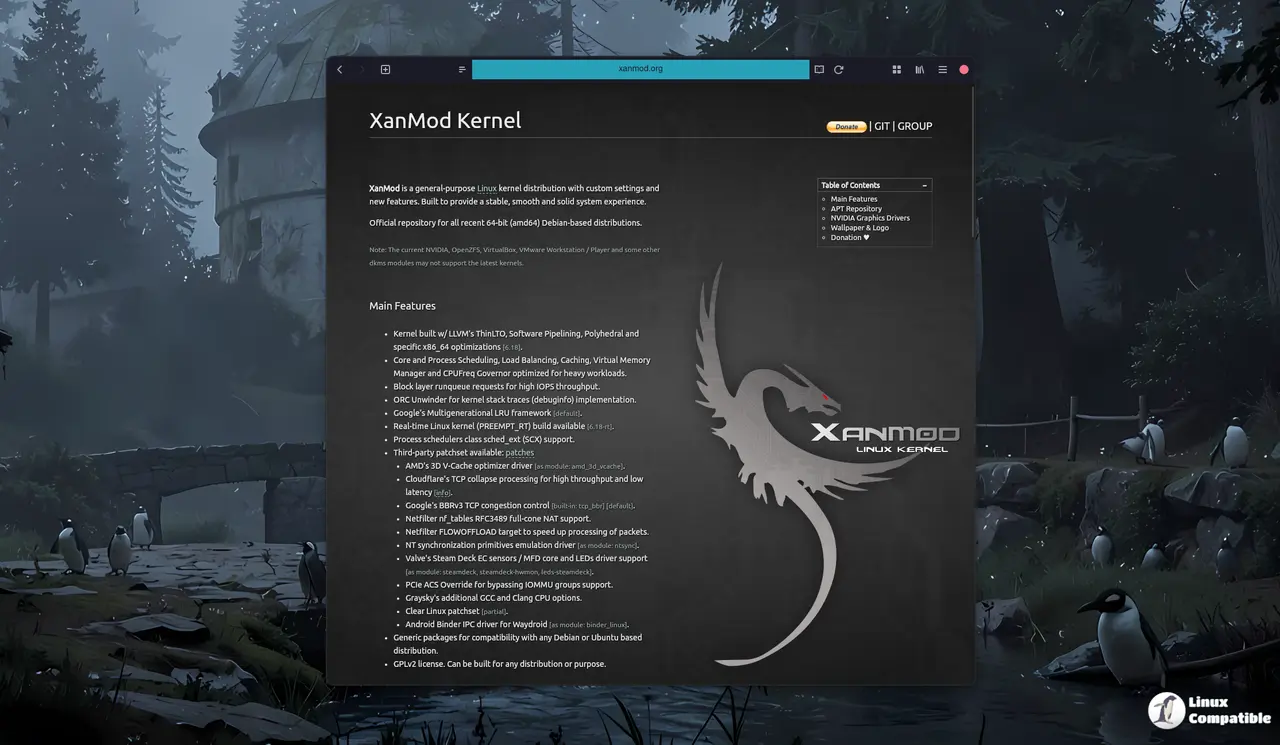
The kernel is still “just” Linux, but it now runs through LLVM’s ThinLTO and polyhedral optimisations before landing on your hard drive. That means fewer useless branches for the CPU to chew on, which translates into better caching, lower power draw and a slightly snappier feel when you’re juggling many background tasks.
- BBRv3 TCP comes pre‑built; users who stream or game notice download bursts that finish faster than with BBRv1.
- PREEMPT_RT builds are still available for those who run real‑time workloads like audio production on a desktop.
- A scx scheduler extension gives heavy CPU loads more graceful hand‑offs between cores, keeping the UI from stuttering during a video render.
The kernel also ships with newer netfilter capabilities: full‑cone NAT support and an optional FLOWOFFLOAD target that can speed packet handling when you’re running a tiny VPN or a local web server.
Where It Might Bite
NVIDIA’s proprietary driver, OpenZFS, VirtualBox and VMware aren’t always happy with the latest kernel. If you rely on those, run a quick modprobe -c | grep <module> after boot to confirm the module loads before you start the session. A broken module is one thing; a frozen screen is another.
How to Install (No Bullet‑Points, Just Straight Talk)
First, grab the GPG key that signs XanMod’s packages:
wget -qO - https://dl.xanmod.org/archive.key | sudo gpg --dearmor -o /etc/apt/keyrings/xanmod-archive-keyring.gpg
That command downloads a single file and tells APT where to find it. Next, add the repository for your distribution. If you’re on Bookworm or newer, paste this line:
echo "deb [signed-by=/etc/apt/keyrings/xanmod-archive-keyring.gpg] http://deb.xanmod.org $(lsb_release -sc) main" | sudo tee /etc/apt/sources.list.d/xanmod-release.list
The $(lsb_release -sc) part automatically plugs in your codename, so you don’t have to remember whether it’s “trixie” or “bookworm.” Once the repo is there, refresh APT and pull down the kernel:
sudo apt update && sudo apt install linux-xanmod-x64v3
If you plan on building third‑party modules, install a handful of build tools. The command below installs only what’s strictly needed, avoiding the clunky “recommended” extras that clutter a minimal system:
sudo apt install --no-install-recommends dkms libdw-dev clang lld llvm
Finally, reboot into the new kernel. If you’re unsure which one you’re booting, run uname -r and confirm it shows 6.19 or 6.18.
The bottom Line
XanMod 6.19.4 delivers tangible gains for users who want a lean, high‑performance kernel without the bloat of an OEM distribution. It’s a solid upgrade path if your drivers line up and you’re comfortable tweaking APT lists instead of waiting for your distro to ship the next kernel.


