XanMod has dropped new kernel versions 6.19.12 and 6.18.22 LTS/RT for Debian-based distributions that prioritize heavy workload performance over standard stability. These builds include specific optimizations like LLVM ThinLTO and Google's Multigenerational LRU framework to squeeze better throughput out of the hardware. Power users need to exercise caution since NVIDIA drivers and other DKMS modules often break without a manual update following these kernel jumps. Adding the official repository is the safest route to get everything working, provided you install the build dependencies first to avoid compilation headaches later.
XanMod Kernel 6.19.12 Update Brings Real-World Performance Gains to Debian Systems
The new XanMod Kernel 6.19.12 and 6.18.22 LTS/RT builds are out now for Debian-based systems. This update focuses on heavy workloads and specific hardware optimizations rather than just chasing version numbers. Users looking to squeeze more performance from their rigs should consider switching over, but there are some compatibility risks to watch out for first.
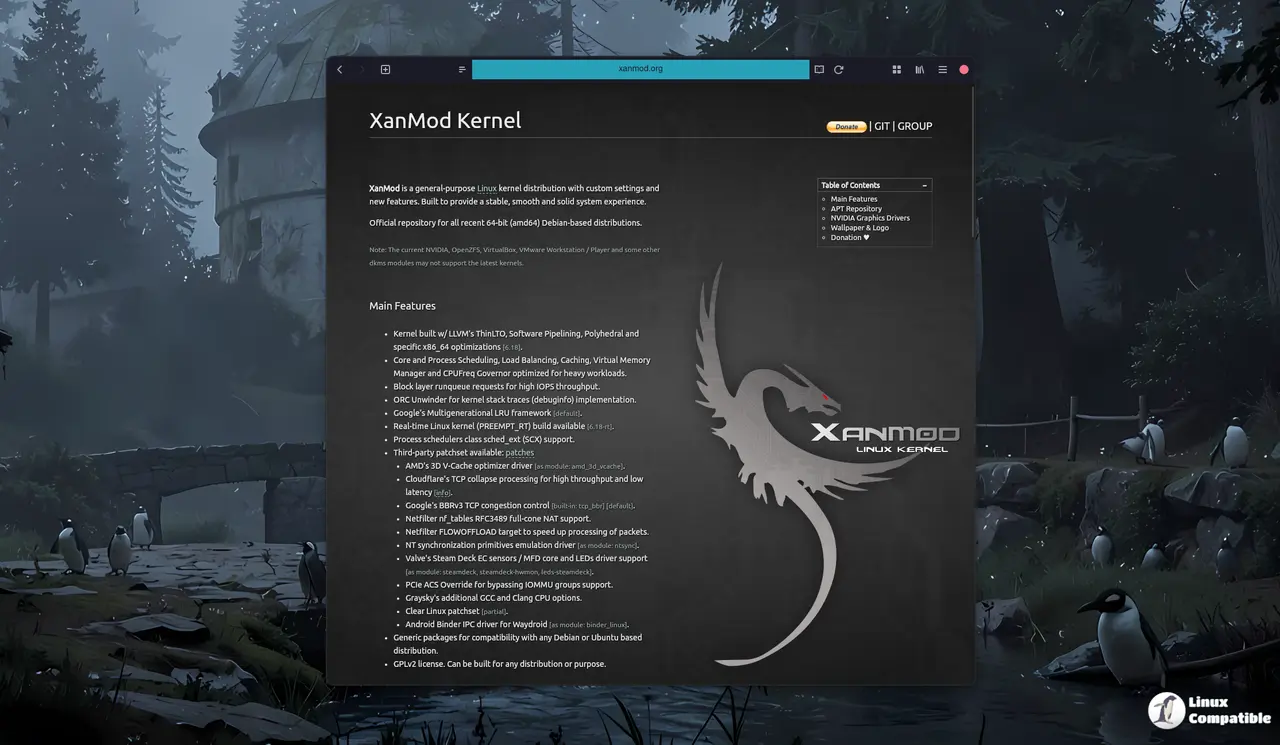
XanMod Kernel Optimization Features That Actually Matter
The build includes LLVM ThinLTO and software pipelining which helps compile code faster and run it smoother on x86_64 hardware. Google's Multigenerational LRU framework is now the default choice for memory management, which should keep systems snappier under load. Network performance gets a boost from Cloudflare's TCP collapse processing and BBRv3 congestion control built right into the source code. Most kernel updates are just version bumps but these tweaks target specific bottlenecks that power users complain about daily.
Installing the XanMod Kernel Safely Without Breaking Things
Adding the repository is the cleanest way to get these updates without manually hunting down package files from external sites. Skipping the dependency check is a quick way to end up staring at a black screen after rebooting. It is common for proprietary graphics stacks to break when switching kernels without proper DKMS preparation so checking compatibility lists beforehand saves hours of troubleshooting time. The manual installation method exists but the repository approach ensures better integration with the existing update system.
First, bring the PGP key into APT’s trust store so it can verify every package that rolls out. Running the command below fetches the key and writes it to the appropriate directory; doing this before adding the repository protects you from man‑in‑the‑middle attacks on the kernel packages.
wget -qO - https://dl.xanmod.org/archive.key | sudo gpg --dearmor -vo /etc/apt/keyrings/xanmod-archive-keyring.gpg
Next, drop a repository file into sources. The line below is already tuned for the distribution you’re on; it automatically expands to the correct codename thanks to lsb_release. Once that file is in place, APT knows exactly where to pull the kernel packages from.
echo "deb [signed-by=/etc/apt/keyrings/xanmod-archive-keyring.gpg] http://deb.xanmod.org $(lsb_release -sc) main" | sudo tee /etc/apt/sources.list.d/xanmod-release.list
Finally, update the package list and install the kernel. The --no-install-recommends flag keeps the installation lean by only pulling essential dependencies; you’ll still need a few development packages if you plan on compiling any external modules later.
sudo apt update && sudo apt install linux-xanmod-x64v3
Just make sure to keep a backup kernel in place before hitting reboot and good luck with the new setup.


