XanMod has released new kernel versions targeting Debian-based distributions with aggressive performance tuning for heavy workloads and gaming scenarios. These builds include advanced schedulers and network optimizations like BBRv3 to reduce latency, though they demand specific hardware instruction set support to function correctly. Users must install external dependencies for DKMS modules before updating or risk breaking proprietary drivers like NVIDIA during the transition process. While the performance gains are noticeable, this path remains best suited for enthusiasts willing to troubleshoot potential compatibility issues rather than those needing guaranteed enterprise stability.
XanMod Kernel 6.19.11 and 6.8.21 LTS offer performance gains for Debian-based users
The latest update from the XanMod project arrives with two distinct kernel versions for those looking to squeeze more out of their hardware. This release targets heavy workloads and gaming scenarios while maintaining enough stability for daily tasks. Users will find specific optimizations in the XanMod Kernel that standard distributions often skip over.
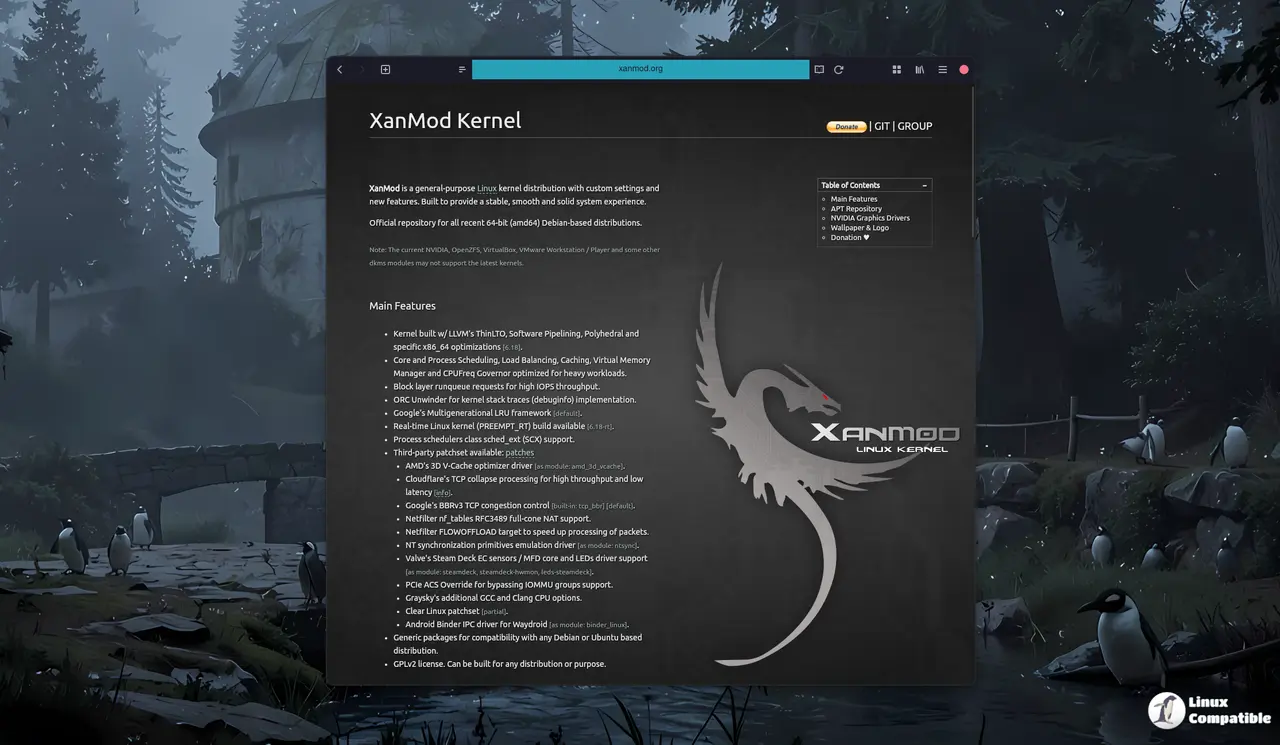
What makes the XanMod Kernel different from standard builds
The project utilizes LLVM's ThinLTO and software pipelining to push code execution efficiency further than stock builds allow. Google's Multigenerational LRU framework acts as the default memory manager which helps keep frequently used data close at hand during intense operations. Network traffic also sees improvements through Cloudflare's TCP collapse processing and the built-in BBRv3 congestion control algorithm. AMD users with stacked cache processors might see a boost from the dedicated V-Cache driver module that manages data locality more aggressively than standard settings. These changes are designed for people who want lower latency but must accept that some third party modules may not support the latest versions immediately.
Installing the XanMod Kernel requires careful attention to dependencies
Adding the repository key ensures that package verification works correctly before any files touch the system disk. The installation command pulls in the specific x64v3 build which enables newer instruction sets for compatible processors. Users must install dkms and clang tools beforehand or external modules like VirtualBox might fail to compile after a reboot. A proper setup involves running the update command followed by the package install command before restarting the machine to load the new kernel environment. Skipping the dependency check often leads to broken drivers that require manual intervention to fix later.
First, bring the PGP key into APT’s trust store so it can verify every package that rolls out. Running the command below fetches the key and writes it to the appropriate directory; doing this before adding the repository protects you from man‑in‑the‑middle attacks on the kernel packages.
wget -qO - https://dl.xanmod.org/archive.key | sudo gpg --dearmor -vo /etc/apt/keyrings/xanmod-archive-keyring.gpg
Next, drop a repository file into sources. The line below is already tuned for the distribution you’re on; it automatically expands to the correct codename thanks to lsb_release. Once that file is in place, APT knows exactly where to pull the kernel packages from.
echo "deb [signed-by=/etc/apt/keyrings/xanmod-archive-keyring.gpg] http://deb.xanmod.org $(lsb_release -sc) main" | sudo tee /etc/apt/sources.list.d/xanmod-release.list
Finally, update the package list and install the kernel. The --no-install-recommends flag keeps the installation lean by only pulling essential dependencies; you’ll still need a few development packages if you plan on compiling any external modules later.
sudo apt update && sudo apt install linux-xanmod-x64v3
Compatibility risks mean not everyone should switch immediately
A common scenario involves NVIDIA drivers breaking because the DKMS module was built against an older kernel interface. OpenZFS and VMware Workstation also face similar hurdles with the latest versions so testing is essential before making it a permanent setup. It serves well for desktops where tweaking is expected but enterprise environments should stick to LTS releases from their distro vendor. The benefits are real but come with the risk of losing proprietary support during critical work sessions.
The extra performance gains are there if users can handle the potential maintenance overhead that comes with third party kernels.


