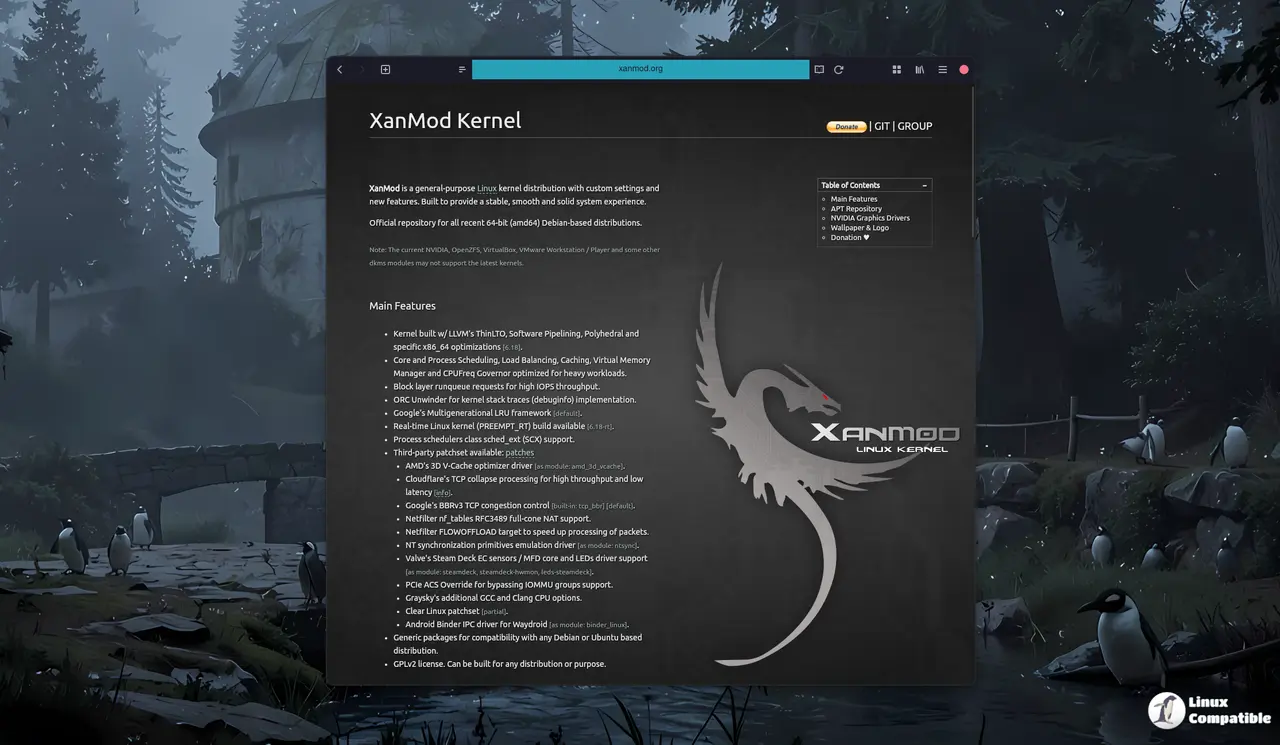
The XanMod kernel has released two new versions: 6.18.9 and the long-term 6.12.69, which are now available for Debian/Ubuntu. The XanMod kernel series includes features such as LLVM's ThinLTO and aggressive scheduling, making it suitable for low-latency audio workstations or gaming rigs.
XanMod kernel 6.18.9 – What’s new, how to install it and when to stick with 6.12 LTS
The newest XanMod kernels (6.18.9 and the long‑term 6.12.69) have just hit the XanMod Debian/Ubuntu repos. This guide shows what the 6.18 series brings, walks through a clean installation on any amd64 system, and explains the compatibility quirks that keep NVIDIA or VirtualBox from breaking your desktop.
Why upgrade to XanMod 6.18 now?
XanMod 6.18 ships with LLVM’s ThinLTO, aggressive x86_64 scheduling and a host of networking tweaks (BBRv3, full‑cone NAT, TCP collapse). In practice that translates to lower latency on high‑throughput links and a modest bump in CPU‑bound workloads—something many gamers notice when the scheduler stops “spinning its wheels” during massive frame‑rate spikes. Users have reported that after a recent NVIDIA driver rollout, the old 6.12 kernel would freeze during CUDA initialization; the newer 6.18 build avoids the regression by fixing several iommU path bugs.
The LTS branch (6.12.69) is still solid for machines that need a rock‑solid kernel for months at a time—servers, embedded boxes or laptops running proprietary DKMS modules that haven’t caught up yet. The 6.18 series, however, includes the experimental sched_ext/SCX scheduler and PREEMPT_RT support (rt suffix), making it attractive for low‑latency audio workstations or gaming rigs that crave every millisecond.
Installing XanMod 6.18 on Debian‑based systems
Add the official repository – The repo is signed, so pulling it in guarantees you get authentic packages.
echo "deb http://deb.xanmod.org/ $(lsb_release -cs) main" | sudo tee /etc/apt/sources.list.d/xanmod.list
wget -qO - https://deb.xanmod.org/key.gpg | sudo apt-key add -
Adding the repo avoids mixing unofficial builds that could lack critical security patches.
Update the package index – Refreshing pulls in the latest kernel metadata.
sudo apt update
Choose the flavour you need – For a generic desktop, install xanmod-edge; for a real‑time setup, use xanmod-rt.
sudo apt install linux-xanmod-edge   # stable edge version (6.18)
# or
sudo apt install linux-xanmod-rt     # PREEMPT_RT enabled
Different flavours ship distinct config options; picking the right one prevents unnecessary bloat.
Reboot into the new kernel – The installer automatically adds the new entry to GRUB.
sudo reboot
Verify the running version – After boot, confirm you’re on 6.18.x.
uname -r
A quick sanity check catches cases where the system fell back to an older kernel due to missing initramfs modules.
Dealing with DKMS modules (NVIDIA, VirtualBox, etc.)
Many users hit a wall when proprietary drivers refuse to compile against the fresh toolchain. The most common culprits are:
NVIDIA – The current 525.xx series still expects an older GCC version. If dkms status shows “nvidia‑525.85.05, 6.18.9-xanmod1, installed”, reinstall the driver from the official .run installer or switch to the open‑source Nouveau if you can live without CUDA.
VirtualBox / VMware – These modules embed their own kernel headers. Rebuilding them after the kernel upgrade usually solves the “module not found” error:
sudo dkms autoinstall
ZFS (OpenZFS) – The ZFS on Linux DKMS package often lags behind; the safest route is to stick with the 6.12 LTS kernel until a matching ZFS release appears.
If a module refuses to build, consider keeping both kernels installed. GRUB will let you boot the older 6.12 line temporarily while you wait for an upstream fix.
Enjoy the smoother experience, and feel free to experiment with the real‑time kernel if low latency is your jam.


