Wireshark 4.6.3 and 4.4.13 released
The Wireshark team has just released some new versions of their popular network protocol analyzer software: 4.6.3 and 4.4.13.
It’s safe to say that Wireshark is essential gear for anyone working with networks; professionals use it daily, but so do tech enthusiasts, security researchers, developers needing network insights, and students learning about how things connect digitally. And this latest update focuses squarely on keeping the tool running smoothly and reliably: think bug fixes and security improvements.
Digging into what’s checked off the list, these newer versions address several reported issues, like crashes in specific dissectors (including the BLF file parser and IEEE 802.11) plus that HTTP3 loop problem we all dreaded seeing. There are also various other tweaks helping things build better on Solaris or fix streaming quirks with RTP Player, among other minor annoyances fixed by the team.
If you're looking at adopting a new version specifically for Wireshark, start with 4.6; it generally offers more features than older ones like 4.4 do these days. But just to clarify: while this release doesn't bring any brand-spanking new protocols onto the main stage, many existing ones have seen updates underneath the hood, including DCT2000, DHCP, H.248, H.265, HomePlug AV, and you get the idea.
Find out what changed before these latest versions by checking the release notes for each specific one if you're curious or need to pin down compatibility details with older plugins. For example, digging into 4.6.2 shows it included some necessary API adjustments following changes in 4.6.1 that could otherwise break things built for 4.6.0.
Ready to dive in? Grab the source code and installers straight from wireshark.org. Or check out how your Linux or Unix distro handles it; most have their packages ready to deploy through standard update channels too.
Need help figuring out what you're seeing? The documentation is stacked high on Wireshark’s site, covering user guides right down to the nitty-gritty technical manuals and man pages, plus there's always community support buzzing away in forums or mailing lists if you need someone else weighing in.
Bottom line: this new release shows serious dedication towards keeping a solid tool in everyone's hands. As folks keep depending on Wireshark for getting networked right, expect more effort focused purely on making things work better and bug-free from the team handling all that analysis code.
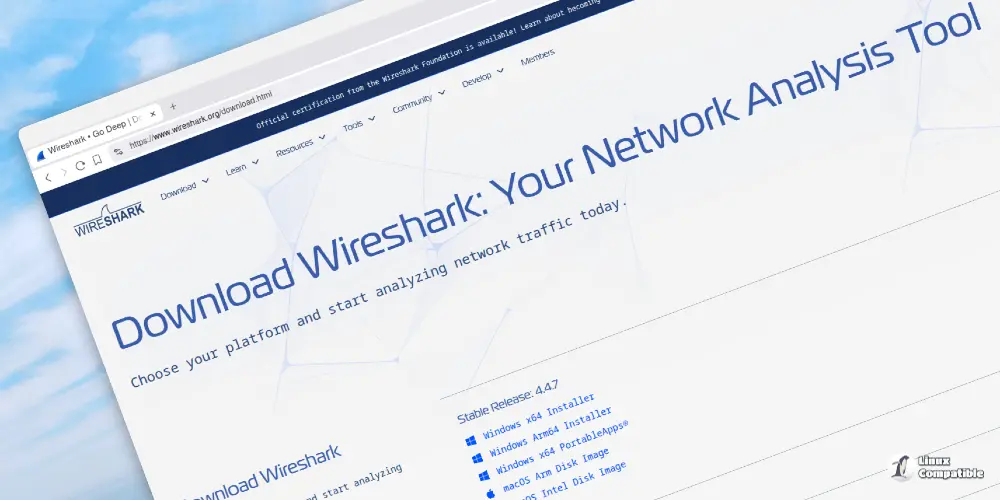
The Wireshark source code and installation packages are available from the download page. The documentation is available here.


