How to Get Wine Staging 11.2 Up and Running on Linux
Wine Staging 11.2 just landed, bringing a handful of graphics‑related patches and a few experimental features that haven’t made it into the regular development branch yet. This guide shows how to install the pre‑built packages or compile the source yourself, and points out the bits that actually matter for everyday gaming or app compatibility.
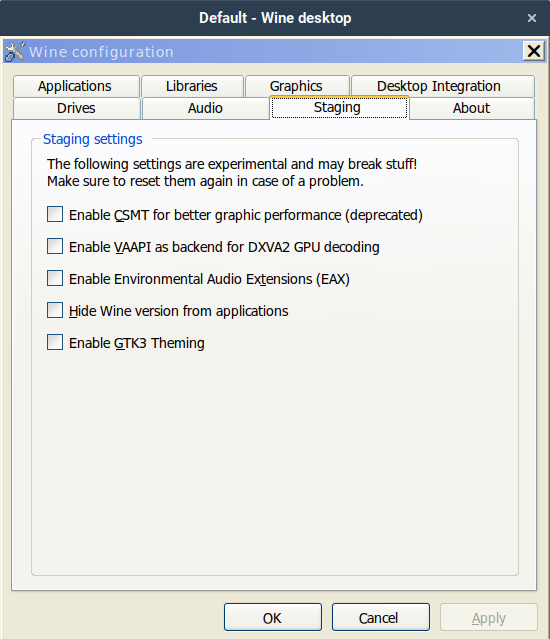
What’s New in 11.2?
The most noticeable changes are the updated vkd3d‑latest patchset (better DirectX 12 translation on Vulkan) and a brand‑new mshtml‑adobe patch that fixes some old Internet Explorer rendering quirks. If you’ve been running a game that suddenly started crashing after a Windows driver update, chances are the new vkd3d workarounds will stop the “GPU reset” errors you’ve seen in the logs.
A quick look at the commit list shows several patches being stripped out (e.g., nvcuda‑CUDA_Support and dxva2‑VideoDecoder). Those were either dead ends or caused regressions, so they’re gone – which means a leaner binary for most users.
Quick Install for Popular Distros
Most Linux distributions ship Wine Staging as a separate package that lives in /opt/wine-staging. The advantage is you can keep the stable wine‑hq version side by side without fighting over /usr/bin/wine.
Ubuntu / Debian
Add the official WineHQ repository:
sudo dpkg --add-architecture i386
sudo mkdir -pm755 /etc/apt/keyrings
wget -O /etc/apt/keyrings/winehq-archive.key https://dl.winehq.org/wine-builds/winehq.key
echo "deb [signed-by=/etc/apt/keyrings/winehq-archive.key] https://dl.winehq.org/wine-builds/ubuntu/ $(lsb_release -cs) main" | \
sudo tee /etc/apt/sources.list.d/winehq.list > /dev/nullAdding the repository matters because the default Ubuntu repos only contain the stable wine package; without this step you’ll never see wine-staging in the cache.
Update APT and install:
sudo apt update
sudo apt install --install-recommends winehq-stagingRun it with the full path: /opt/wine-staging/bin/wine. Using the explicit binary avoids accidental fall‑backs to the stable version that lives in $PATH.
Fedora
sudo dnf install wine-staging
The Fedora package also lands under /opt/wine-staging, so invoke it with /opt/wine-staging/bin/wine or create a shortcut alias.
Arch Linux (AUR)
yay -S wine-staging-bin
The AUR tarball extracts straight to /opt/wine-staging. Again, call the binary from that directory.
Why bother with the full path? If you ever need to toggle between stable and staging for testing, an explicit call prevents the “I thought I was using staging but wasn’t” moments that waste an evening.
Building from Source (If You’re Feeling Brave)
Compiling gives you the freedom to cherry‑pick only the patches you actually need. The process isn’t rocket science, but it does assume a working build environment.
Grab the development tree – git clone https://github.com/winehq/wine.git && cd wine
Pulling the latest dev branch ensures all staging patches apply cleanly.Apply Staging patches – ./staging/patchinstall.py DESTDIR="$(pwd)" --all
The script orders the patches correctly; skipping it means you’ll spend hours fighting “already applied” errors.Install build dependencies – on Ubuntu, for example:
sudo apt-get install build-essential gcc-multilib libx11-dev \
libfreetype6-dev libglib2.0-dev libgstreamer1.0-dev \
libvulkan-dev mesa-common-devMissing a single library often shows up as “configure: error: missing X” later, so double‑check the output of ./configure.
Configure and compile –
./configure --enable-win64 && make -j$(nproc)
sudo make installThe --enable-win64 flag builds both 32‑bit and 64‑bit wine prefixes, which is handy for older Windows games that still run in 32 bits.
Run your first app – /usr/local/bin/winecfg to generate a prefix, then launch anything with /usr/local/bin/wine program.exe.
If you only need the vkd3d updates, you can skip --all and list just that patchset:
./staging/patchinstall.py DESTDIR="$(pwd)" -W vkd3d-latest
That saves compile time and reduces the chance of a stray regression.
When Staging Isn’t Worth It
Not every user needs experimental features. The pre‑built packages already include the most stable patches, and many of the removed patchsets were dead weight that slowed down start‑up times. If you primarily run Office apps or older 2D games, sticking with the regular Wine development branch is probably fine.


