Wine 11.0 released
The final version of Wine 11.0 is out now after five release candidates.
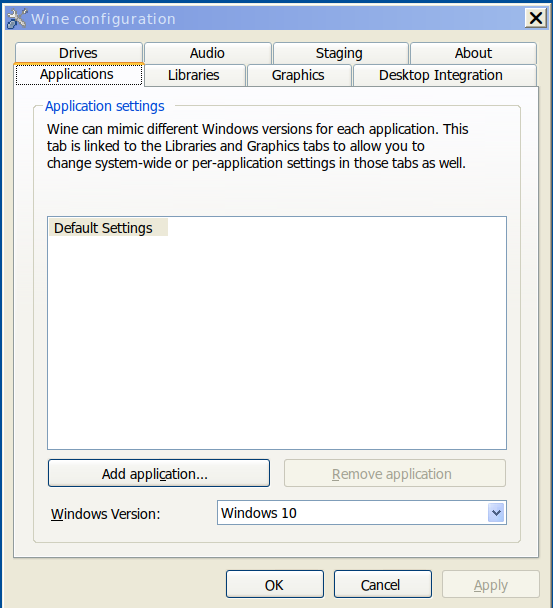
This isn't just another small update; it marks one year of dedicated work packed with changes. The team has poured over more than 6,300 individual tweaks and landed over 600 bug fixes in this latest stable release. It's a substantial milestone for users and developers alike.
One big deal is the completion of the new WoW64 architecture. Think of it like a major upgrade to how Wine handles Windows applications on modern systems. This fresh implementation has feature parity with the old way, meaning you get all the capabilities back, but importantly, it now properly supports those 16-bit Windows apps too.
Forcing an application into this new mode is actually pretty straightforward. Just set the environment variable WINEARCH to 'wow64.' But there's a prerequisite: your Wine prefix needs to be 64-bit from the start, which it normally is these days.
Performance under the hood also got some serious attention, especially with NTSYNC support. This often relates to how Windows and Linux processes interact smoothly. The improvements involve integrating more closely with the Linux kernel module where available, boosting performance for things like synchronization primitives, particularly when dealing across threads or using specific tools like strace on supported systems.
The team didn't forget about basic stuff either; thread priority adjustments are now handled properly too, both on Linux and macOS setups.
Beyond those core improvements, there's a whole bunch more. Wine 11.0 features a reworked NT Reparse Points system for better filesystem handling. If you're using an ARM64 machine (like some phones or the Raspberry Pi), it can now pretend to have that large 4K page size, which might smooth things out for certain apps.
Say goodbye to the OSMesa dependency in this release; it's been removed entirely, something good for users depending on specific OpenGL setups. And here's another bit about graphics: the new WoW64 mode also plays nice with OpenGL buffers mapped via Vulkan if your hardware supports it. It helps bridge that gap between 16-bit Windows apps and modern graphics capabilities.
In terms of visuals, Wine has made significant updates to its OpenGL rendering for X11 systems, which is the common Linux desktop. By default now, it's using EGL-based bitmap rendering, a change designed for better performance and reliability. But hey, the old GLX method still hangs around as an alternative, ready for fallbacks or if you specifically need to trigger it via that UseEGL=N setting.
Direct3D, which helps with games and complex visuals, has seen action too. Hardware decoding support for H.264 video is now implemented using Direct3D 11 video APIs layered on top of Vulkan Video. This enhancement means smoother playback performance in certain situations, but it requires you to use the Vulkan renderer, just like you'd enable that specific mode otherwise.
There's good news for game enthusiasts and those who need input compatibility: we've significantly improved compatibility with controllers and driving wheels. The Windows.Gaming.Input API also delivers better responsiveness for gamepads now.
Elsewhere in the pileup of changes:
- Scanners are getting smoother integration too; support for the TWAIN 2.0 API is implemented.
- Wine's Bluetooth chops have been extended to cover Low Energy (BLE) Generic Attribute Profile (GATT) services and characteristics, making it easier to work with low-power devices.
- Multimedia bits like DirectMusic saw some action as well.
Then there's the often-hidden hero area: debugging. The PDB file loader, crucial for understanding code during debugging, has had its internals refreshed considerably. This results in faster loading times and uses less memory overall, making your debugging sessions potentially snappier.
- You can now use WINEDEBUG=syscall to trace system call behavior specifically on NT systems (like Windows emulation) without disrupting applications that cleverly hook those entry points.
This release doesn't stop at just one area. You'll find updates sprinkled across other corners like databases, build tools, and even development libraries bundled with Wine itself, touching everything from core networking stuff to things like mono/.NET/WinRT integration or internationalization support.
It's a busy update full of improvements for everyone using Wine.


