XanMod has released two new kernels, 6.19.6 and 6.18.16 LTS, which offer significant performance improvements for tasks like number crunching and high-resolution video streaming. To install these kernels on Debian or Ubuntu systems, you'll need to add a PGP key and register the XanMod repository; this process involves running two commands in the terminal. After installing the kernel, be sure to reboot your system and verify that it's working correctly by checking the version number in /proc/version; if everything went smoothly, the output should contain "xanmod" followed by the exact version number. Upgrading to XanMod kernels can provide noticeable speed and responsiveness gains for desktops and servers alike, making them a worthwhile upgrade for anyone looking to boost their system's performance.
XanMod Kernel 6.19.6 and 6.18.16 LTS – Install, Optimize, and Stay Ahead
If your current Debian or Ubuntu kernel feels slow under heavy tasks like number crunching or high-resolution video streaming, the new XanMod releases offer significant performance improvements. Both the mainline 6.19.6 build and the LTS 6.18.16 release feature enhanced scheduling for CPU-heavy workloads, along with LLVM optimizations and networking tweaks designed to reduce latency by milliseconds.
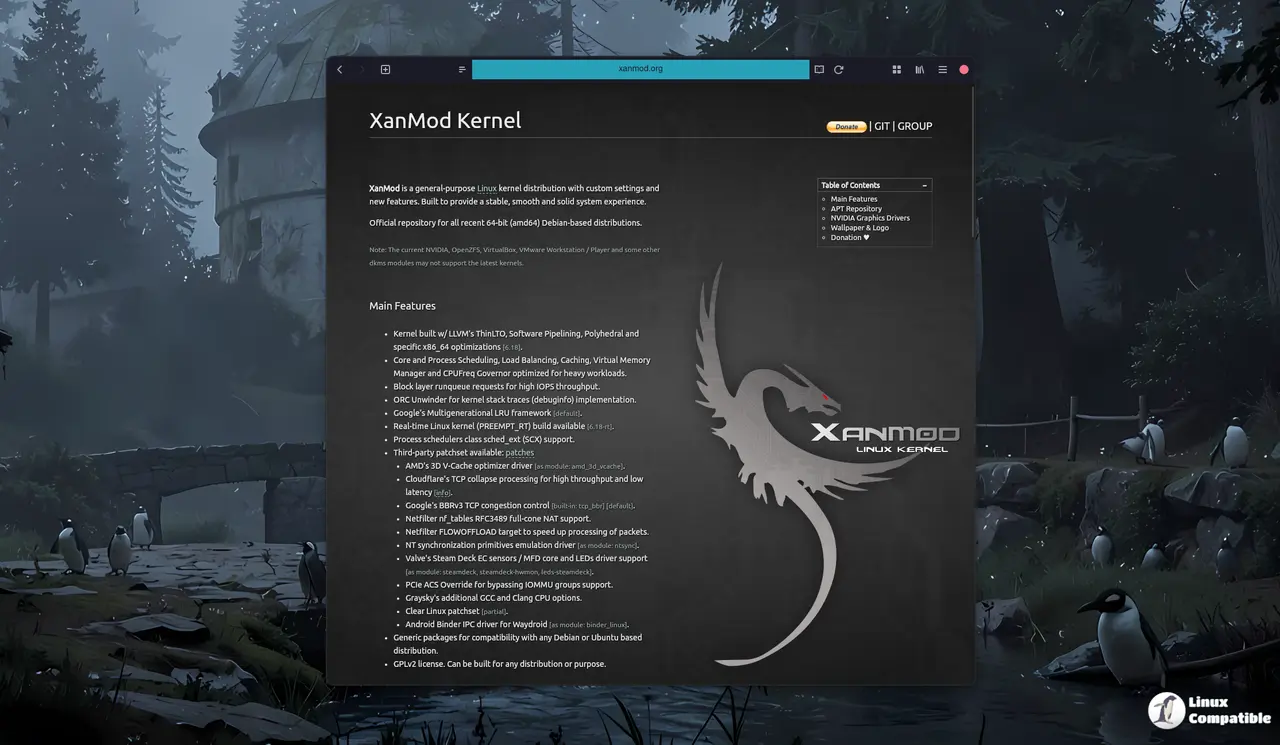
Registering the XanMod Repository Key
Because the package archive is signed, a PGP key must be added before any packages can be trusted. Running the following command pulls the key from the official site, converts it into an apt‑friendly format, and places it in the correct directory:
wget -qO - https://dl.xanmod.org/archive.key | sudo gpg --dearmor -o /etc/apt/keyrings/xanmod-archive-keyring.gpg
The --dearmor flag turns the ASCII‑armored key into binary form, which apt reads more efficiently. Without this step apt will refuse to install any XanMod packages, so don’t skip it.
Adding the Repository Line
Once the key is in place, the next step is to tell apt where to find the kernel packages. The repository URL uses the same format as Debian’s own archive; the only twist is that it includes a “signed‑by” clause pointing at the freshly installed keyring:
echo "deb [signed-by=/etc/apt/keyrings/xanmod-archive-keyring.gpg] http://deb.xanmod.org $(lsb_release -sc) main" | sudo tee /etc/apt/sources.list.d/xanmod-release.list
This command writes the appropriate line into a dedicated list file, keeping things tidy. If you later decide to use NVIDIA’s open‑source modules or want the proprietary driver, you can add the non‑free component with a similar echo that appends “non‑free” at the end of the repository declaration.
Updating APT and Installing the Kernel
After adding the source, refresh apt’s cache and pull down the newest XanMod packages. The main package name is intentionally generic—linux-xanmod-x64v3 pulls in both the image and header files needed for most use cases:
sudo apt update && sudo apt install linux-xanmod-x64v3
If the system complains about missing build tools during later module installations, a quick install of dkms, libdw-dev, clang, lld, and llvm will satisfy those dependencies. They’re not required for running the kernel itself but are handy if you ever compile third‑party drivers.
Rebooting into XanMod
Once the packages finish installing, the machine is ready for a reboot. During the boot sequence, the new kernel should appear as the default in the GRUB menu. If it doesn’t show up automatically, selecting “Advanced options” and picking the XanMod entry will bring you to a working system.
Checking Your Kernel Version
A quick sanity check confirms that everything went through:
cat /proc/version
The output should contain the string “xanmod”, followed by the exact version number (6.19.6 or 6.18.16). If it still lists an older Debian kernel, double‑check that you rebooted and that GRUB’s default entry is pointing to XanMod.
NVIDIA Drivers – The Open‑Source Route
Many users prefer the open‑source nvidia-driver-580-open package because it integrates smoothly with non‑free modules and can be installed from the same repository. After adding “non‑free” to the repo line, install the driver:
sudo apt update && sudo apt install nvidia-driver-580-open
For those who need the proprietary binary for newer GPUs (Turing, Ampere, Ada, or Hopper), switch to nvidia-driver-590 instead. The open‑source variant works fine on Maxwell, Pascal, and Volta architectures.
What About DKMS Modules?
After a kernel upgrade, modules built via DKMS sometimes fail to compile against the new headers. If you run into “module not found” errors after installing XanMod, try:
sudo dkms autoinstall
This forces rebuilds of all DKMS‑managed modules using the freshly installed headers. In a handful of cases, people have reported that certain third‑party drivers (like VirtualBox or VMware Workstation) simply haven’t been patched to accommodate XanMod’s custom build flags yet. If you encounter such an issue, checking the module’s GitHub page for an updated version is usually the quickest fix.
Final Thoughts
Upgrade to XanMod kernels for noticeable speed and responsiveness gains across your Linux systems – from regular desktops to servers handling heavy workloads. These optimized kernels leverage Debian's stable base, ensuring compatibility with major Debian derivatives (including Trixie, Bookworm, SID) and can be installed directly using standard package management. Reboot into a faster, leaner kernel today.


