Ubuntu Linux 25.10 released
The release of Ubuntu Linux 25.10, affectionately known as "Questing Quokka", is a big step forward in the effort to bring cutting-edge open-source technologies to users in a high-quality and easy-to-use Linux distribution. This release continues Ubuntu's proud tradition of working with both its community and partners to add new features and fix known problems.
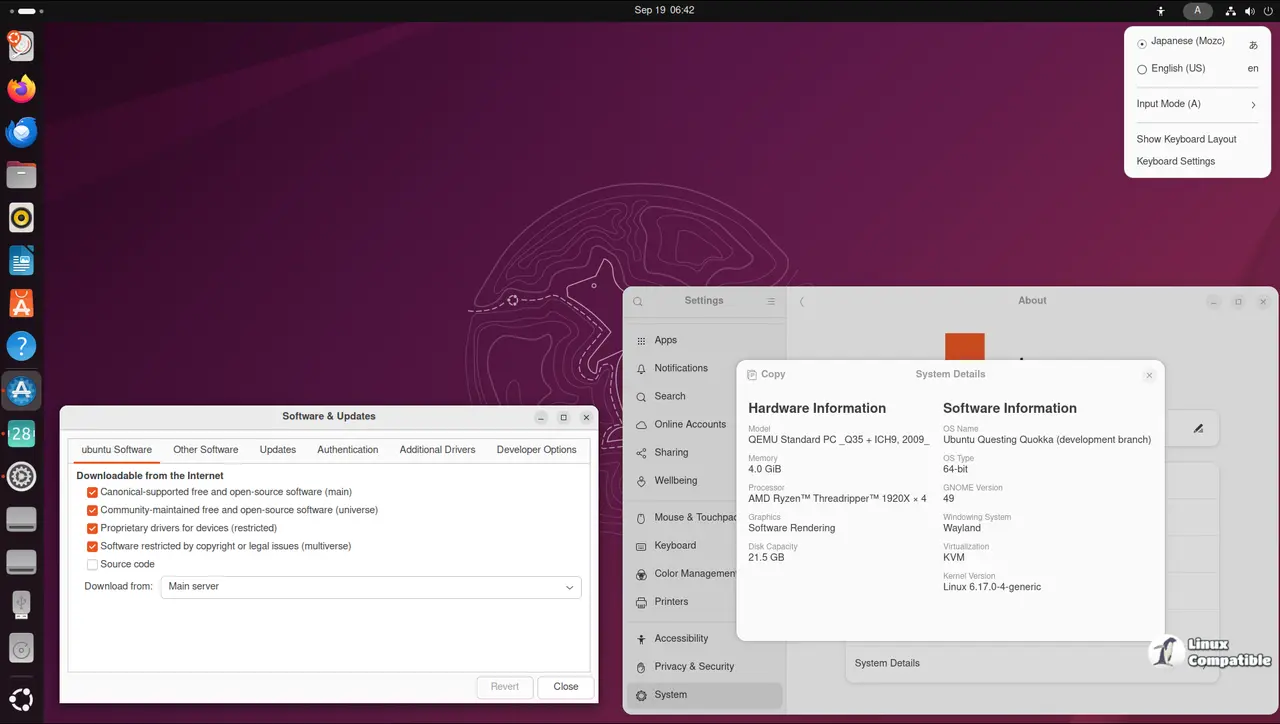
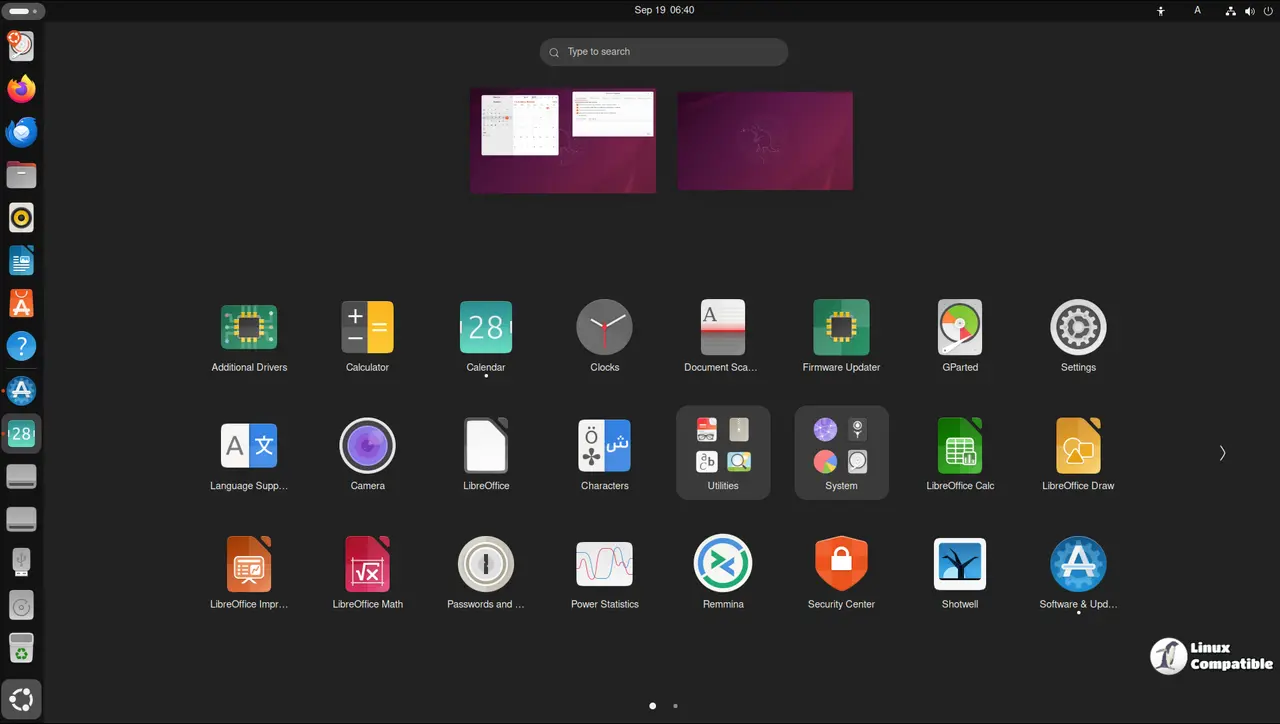
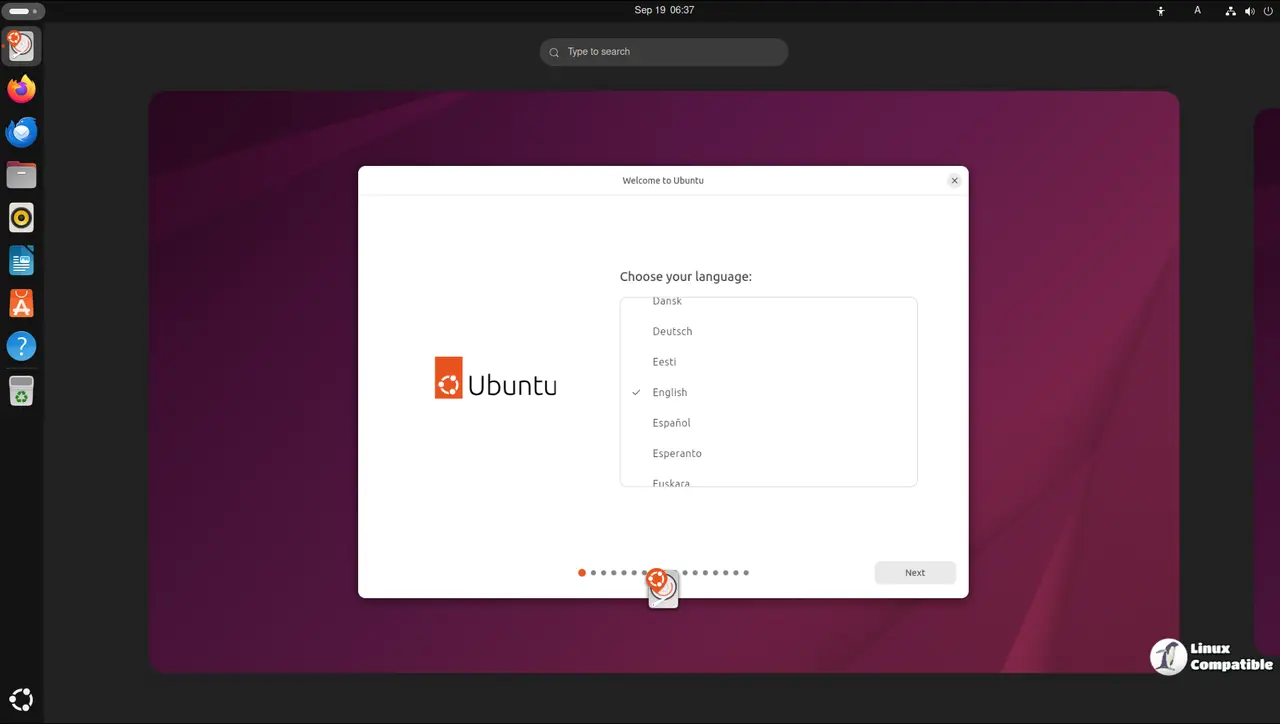
One of the best things about this version is that it includes GNOME 49, which adds a lot of cool new features, like being able to control media and power directly from the lock screen. There are also new HDR brightness settings that make watching more immersive. Furthermore, there are now better accessibility features that are in line with the European Accessibility Act.
Loupe, a sleek image viewer that is a fantastic alternative to traditional media apps, and Ptyxis, a lightweight terminal emulator made with user convenience in mind, are two of the new apps.
Ubuntu 25.10 is based on the strong Linux 6.17 kernel, which makes several important improvements possible. These improvements include the ability to run virtual machines within virtual machines on Arm processors, initial support for secure computing with Intel's TDX technology, and enhanced full disk encryption using TPM-backed solutions, which now offer passphrase support, recovery key management, and improved firmware update integration.
Network Time Security (NTS) is now turned on by default for all Ubuntu systems to make them even more secure. This will help keep the time on all systems in sync. Furthermore, the developer experience has gotten a lot better thanks to new toolchains for Python 3.13.7, the release of Python 3.14 RC3, GCC 15, Rust 1.85, Go 1.25, OpenJDK 25, and previews of .NET 10 and Zig.
Ubuntu 25.10 also has Rust-based versions of sudo and coreutils that make memory safety better, which makes the system more stable. It also uses the new RVA23 profile as the standard for RISC-V systems, which will be the basis for future LTS releases of Ubuntu, such as Ubuntu 26.04.
Today, several official versions of Ubuntu were also released. These include Edubuntu, Kubuntu, Lubuntu, Ubuntu Budgie, Ubuntu Cinnamon, Ubuntu Kylin, Ubuntu MATE, Ubuntu Studio, and Xubuntu. Please see the release notes for each flavor in the Official Flavors section for more information.
All released flavors will get maintenance updates for nine months.
Users can go to the official download page at https://ubuntu.com/download to get Ubuntu 25.10 and install it. If you use Ubuntu 25.04 and have chosen to get notifications about all releases instead of just LTS upgrades, you will be able to automatically upgrade to 25.10.
There are no known problems when you upgrade to the latest version of Ubuntu. Users should read the release notes carefully. They list known problems, workarounds, and more information about the release itself. You can find the release notes at https://discourse.ubuntu.com/t/questing-quokka-release-notes/59220.
Users are encouraged to go to the official Ubuntu desktop page at https://ubuntu.com/desktop and look at its features for a graphical overview of what's new in this release.


