Why you should upgrade to PostgreSQL 18.2 right now
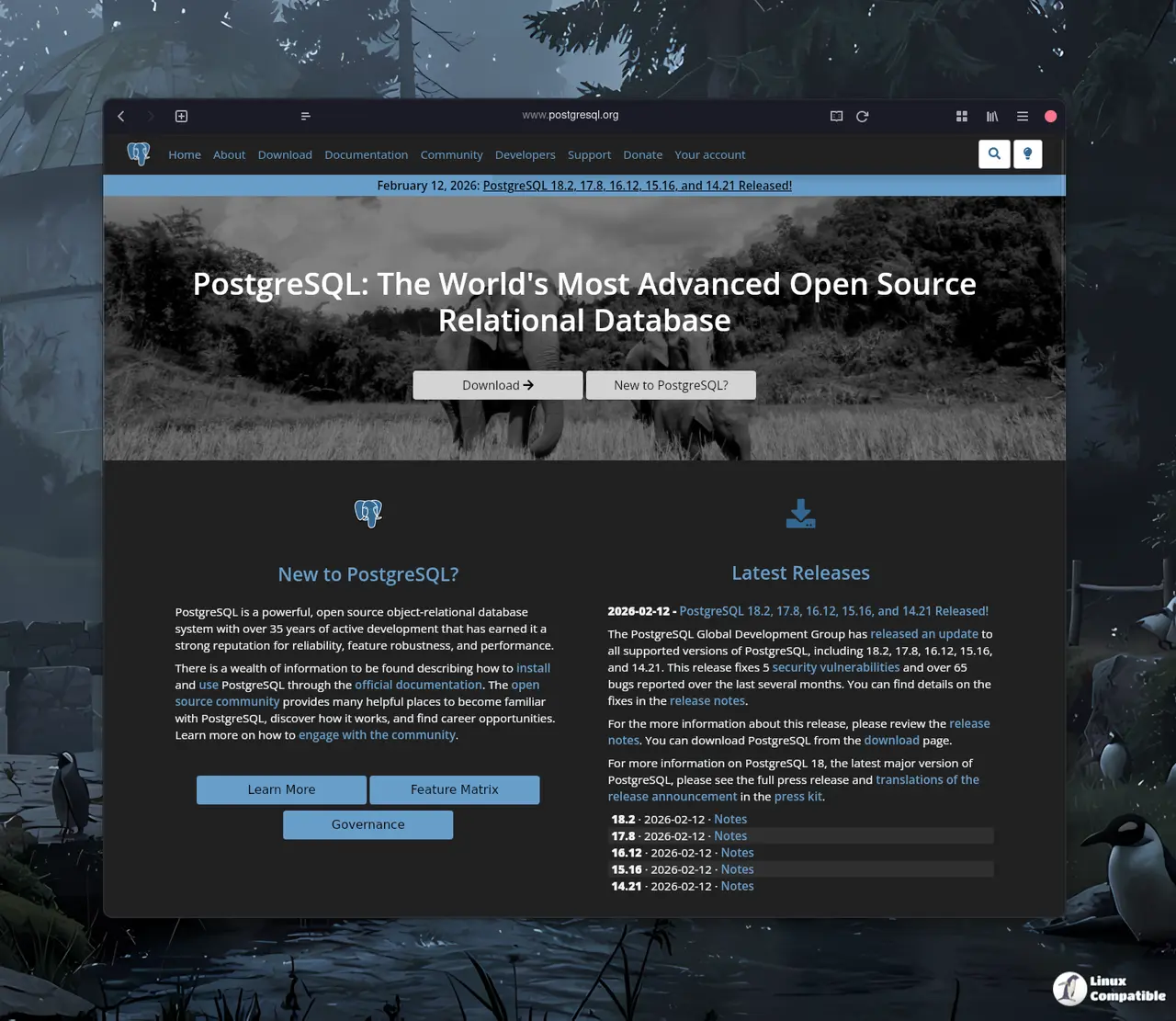
The newest minor release of PostgreSQL – 18.2, along with updates for 17.8, 16.12, 15.16 and 14.21 – lands with five serious security patches and a laundry list of bug fixes. This article explains which of those changes actually matter to a production server, points out the quirks you’ll hit during the upgrade, and shows how to apply the binaries without pulling the plug on your apps.
The security fixes that really count
The most alarming vulnerability is CVE‑2026‑2004 in the intarray extension. A crafted query can run arbitrary code as the OS user that owns the database process – a classic privilege‑escalation scenario you definitely don’t want to gamble with. The pgcrypto heap overflow (CVE‑2026‑2005) and the multibyte length bypass (CVE‑2026‑2006) carry the same 8.8 CVSS rating, meaning any exposed instance is a sitting duck for remote exploitation. Even the lower‑rated oidvector leak (CVE‑2026‑2003) can expose bits of memory that might contain connection strings if you happen to have them in session variables.
In practice, servers running extensions like intarray or pgcrypto are the ones most likely to see these bugs triggered. A DBA who recently enabled pgcrypto for column‑level encryption reported seeing a sudden spike in “segmentation fault” messages after applying a third‑party patch – that was the heap overflow manifesting itself. Upgrading to 18.2 eliminates those attack surfaces across all supported versions, so the security payoff is immediate.
Bug fixes you’ll actually notice
Most of the 65‑plus bug patches are under the radar, but a handful affect day‑to‑day operations. The ltree case‑insensitive matching bug can corrupt index lookups; if your schema uses hierarchical paths (common in logging or taxonomy tables) you’ll want to reindex after the upgrade. The “ALTER TABLE … ADD CONSTRAINT” quirk that demanded matching constraint names has finally been fixed, so adding a NOT NULL check on an already‑constrained column no longer throws cryptic errors.
Another practical win is the corrected handling of incremental backups for tables larger than 1 GB.
How to apply the update with minimal fuss
Because PostgreSQL’s minor releases are cumulative, you can skip straight from any older point release to 18.2 without dumping and reloading data or running pg_upgrade. The usual recipe is:
- Stop the server cleanly – a SIGTERM gives PostgreSQL a chance to finish active transactions.
- Replace the binary package with the one from your distro’s repository or the official tarball.
- Start the service again; the server will detect the newer version and perform any on‑the‑fly catalog upgrades.
If you have ltree indexes and are not using the libc collation provider, schedule a REINDEX INDEX CONCURRENTLY after the restart. That command rebuilds each index without locking out reads, keeping your web front end responsive while the work proceeds in the background.
Servers that have missed one or more intermediate releases may need extra post‑upgrade steps – for example, older replication slots sometimes require manual cleanup. The release notes spell those out, but the most common fix is to run SELECT pg_replication_slot_advance(…); on the publisher before restarting the subscriber.
Bottom line
Skipping a minor security patch on a production database is akin to leaving your front door ajar. The 18.2 release patches three remote‑code‑execution bugs that could give an attacker full control of the host, and it smooths out enough edge‑case bugs to make daily DBA work less painful. With a simple service restart you can reap those benefits without downtime. For more details, check out the release notes.


