Python 3.15.0 Alpha 3 released
Python 3.15.0 Alpha 3 dropped today as part of its ongoing development process. This early developer preview is now available on the official Python website for download.
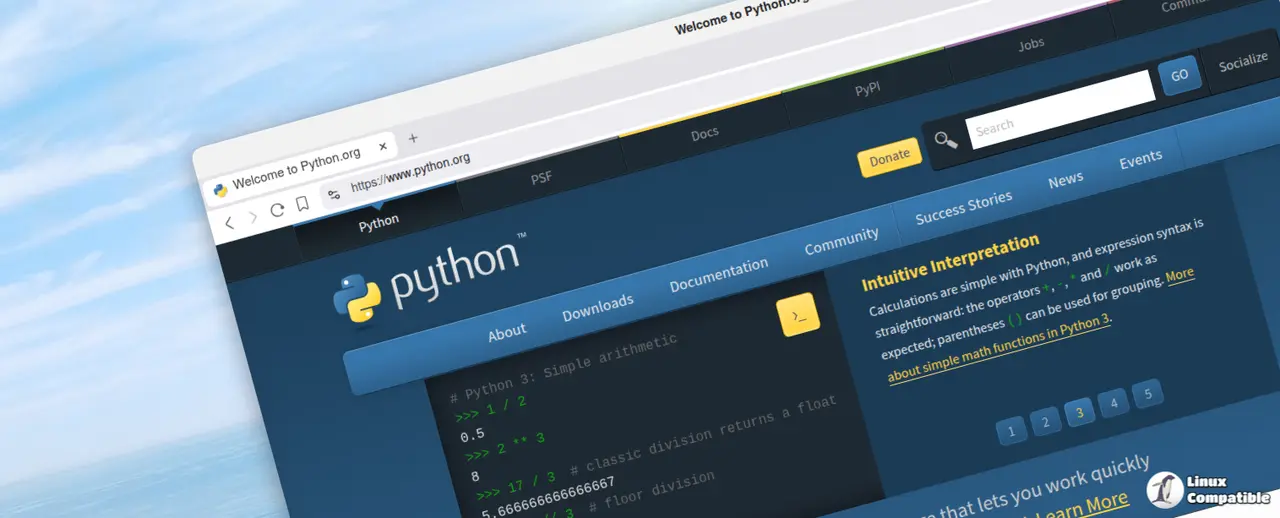
Work towards Python 3.15 continues, and it already has several planned changes compared to version 3.14, but this release (alpha a3) remains very much in flux.
Alpha releases like 3.15.0a3 act as checkpoints, letting developers try out the current state of new features and bug fixes even before the final code stabilization begins. Thinkers are encouraged to jump in now because it provides an early opportunity for identifying potential roadblocks, ultimately helping shape a better end result.
As development proceeds through the alpha phase leading up to beta (anticipated May 2026) and beyond towards release candidate status (later), features might still be added or tweaked. So this version is definitely not ready for prime time; it's too early in its lifecycle for use in actual projects because things are still settling.
Even though we're talking about an alpha stage, the team has already penciled in several important updates. Among them, PEP 799 adds a new statistical sampling profiler with dedicated capabilities, PEP 686 establishes UTF-8 as Python's default character encoding; and PEP 782 provides a fresh C API for creating Python bytes objects.


