PHP 8.3.30RC1, 8.4.17RC1 and 8.5.2RC1 Fedora/RHEL Packages released
The latest Release Candidate versions of PHP 8.3.30RC1, 8.4.17RC1, and 8.5.2RC1 have been made available for testing on Fedora and Enterprise Linux (RHEL/CentOS/Alma/Rocky and other clones). This allows more users to test these versions before they become the standard.
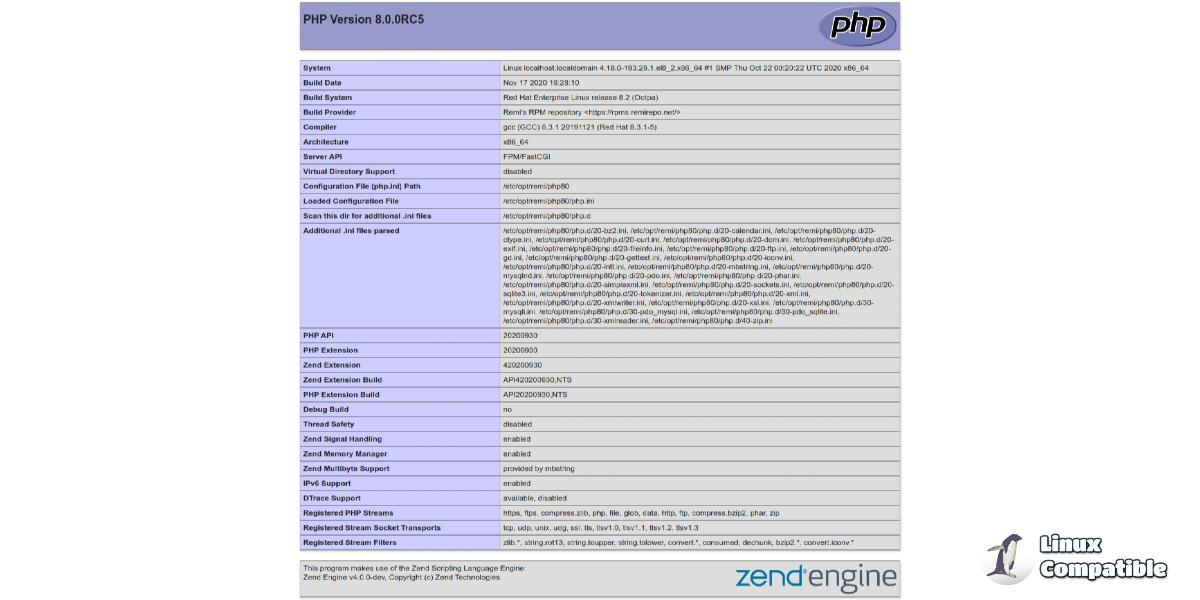
If you're looking for a way to manage multiple PHP versions, the system offers them as separate software collections (SCL). You can install an RC like PHP 8.5 independently this way, which is great if you don't want it interfering with your regular setup yet. This method functions effectively because specific repositories offer these packages.
For example, consider installing PHP 8.5.2RC1: RPMs for it exist as base system installations via the remi-modular-test repository, designed for Fedora 41-43 and Enterprise Linux ≥ version 8. The same RC is also available as a software collection within the remi-test repository. The standard package wizards you typically use provide the installation instructions for these methods.
You can similarly set up or test PHP 8.4.17RC1 and earlier PHP 8.3.30RC1 this way, although version 8.3 is now in a limited security mode, no more RCs for that specific long-running point are planned.
The exact procedure depends on the operating system, but general guidance has been issued covering these three RC versions (8.5.2, 8.4.17, and 8.3.30). It's recommended to follow the provided wizard prompts carefully.
Installing a parallel version like PHP 8.5 as an SCL is straightforward: just run yum --enablerepo=remi-test install php85. To upgrade your system-wide default setup to use, say, PHP 8.4 (from repositories that support it), you'd typically start with the command dnf module switch-to php:remi-8.4, then follow up by updating just the PHP components using dnf --enablerepo=remi-modular-test update php*. The specifics might vary based on your system's current state.
Keep these dependencies in mind when setting up different versions, especially regarding operating system support and package requirements:
EL-based systems (Fedora 41-43, Enterprise Linux ≥8) utilize packages derived from RHEL sources. RPMs for EL-10 point to builds using RHEL-10.1 and EPEL-10.1 resources.
For older supported platforms like EL-9 or EL-8, the relevant package versions are linked via RHEL-9.7 paired with EPEL-9 updates, or even further back, depending on the specific system requirements, using RHEL-8.10 and associated EPEL-8 components, respectively.
Extension packages have their needs too; for instance, users wanting the oci8 extension should know it relies on Oracle Instant Client 23.9 being available via RPMs built specifically for x86_64 or aarch64 systems.
Similarly, the intl extension requires the system to include libicu version 74.2.
These Release Candidate versions are essentially final product previews. No additional changes will be accepted by January anyway; these RCs represent one last chance to test before the stable release confirms their contents, except for security fixes, which might still happen near the end.
The planned official releases (8.3.31, 8.4.18, and 8.5.3) are scheduled to appear on January 15th. So if you're interested in testing these RCs now, here's what you need to know:
PHP version 8.3.30RC1, 8.4.17RC1 and 8.5.2RC1
Release Candidate versions are available in the testing repository for Fedora and Enterprise Linux (RHEL / CentOS / Alma / Rocky and other clones) to allow more people to test them.


