MX Linux 25.1 is now available for download, featuring updated Debian kernels and other improvements. One notable change is the reintroduction of a dual-init system setup option, which allows users to choose between systemd and sysvinit as their default startup system. This feature helps solve persistent issues and simplifies the build process. Additionally, the new release addresses known problems with systemd-shim and improves security by using sysvinit as the default init system.
MX Linux 25.1 released
MX Linux 25.1 is now available for download. One notable change in this release is the use of updated Debian kernels; all versions feature 6.12, except for Xfce-ahs, which employs a more recent 6.18 Liquorix kernel. Additionally, AHS-enabled releases have been upgraded to Mesa 25.3.3, while the rest of the new MX release includes all available Debian updates up to version 13.3 and those from the project's own repository.
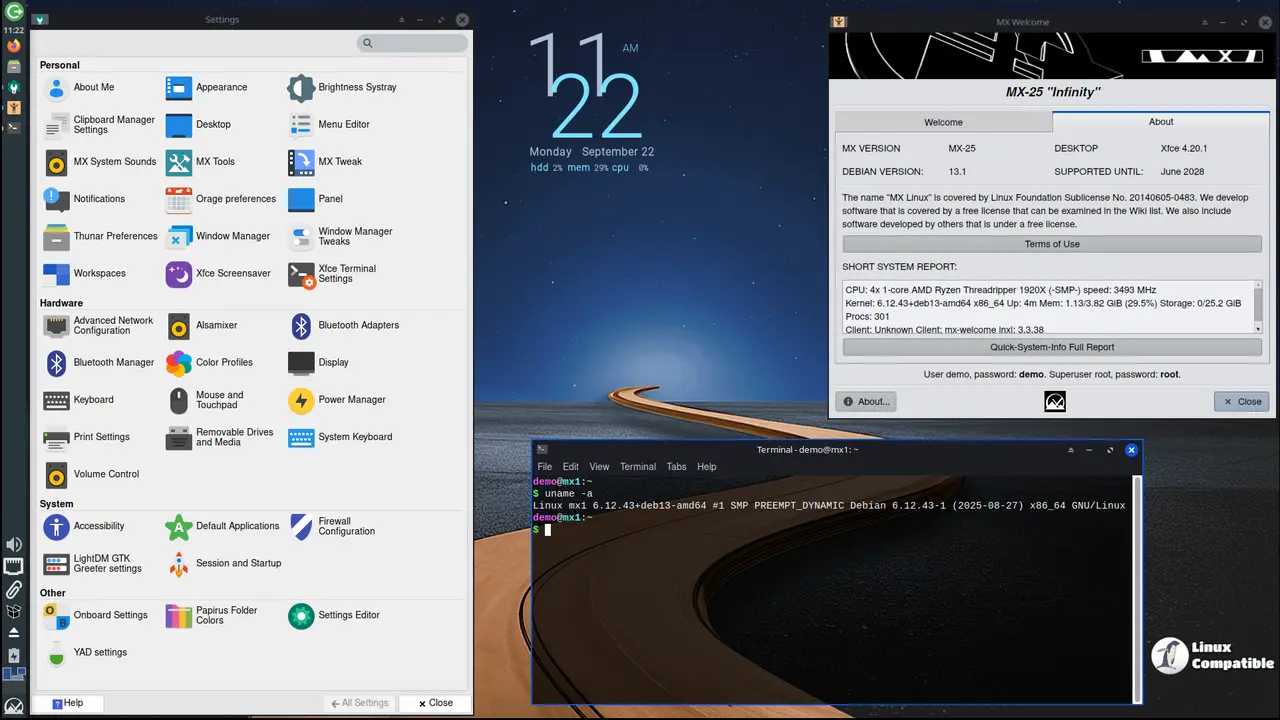
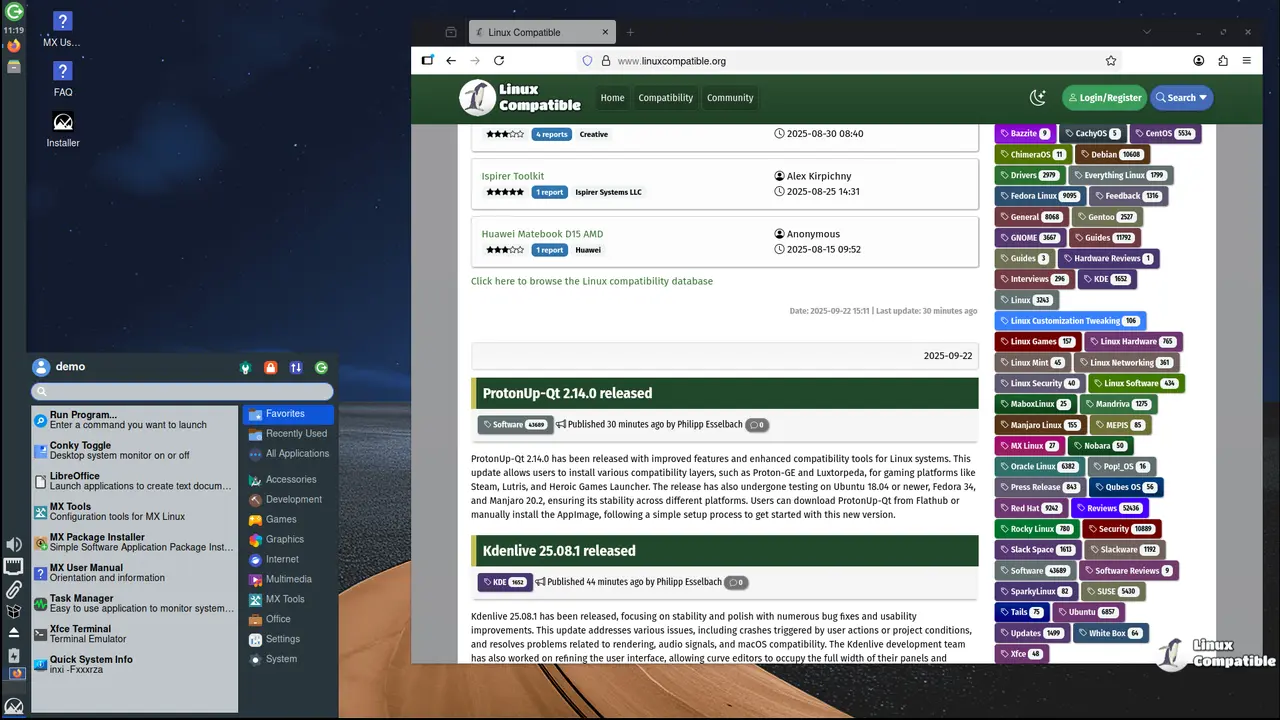
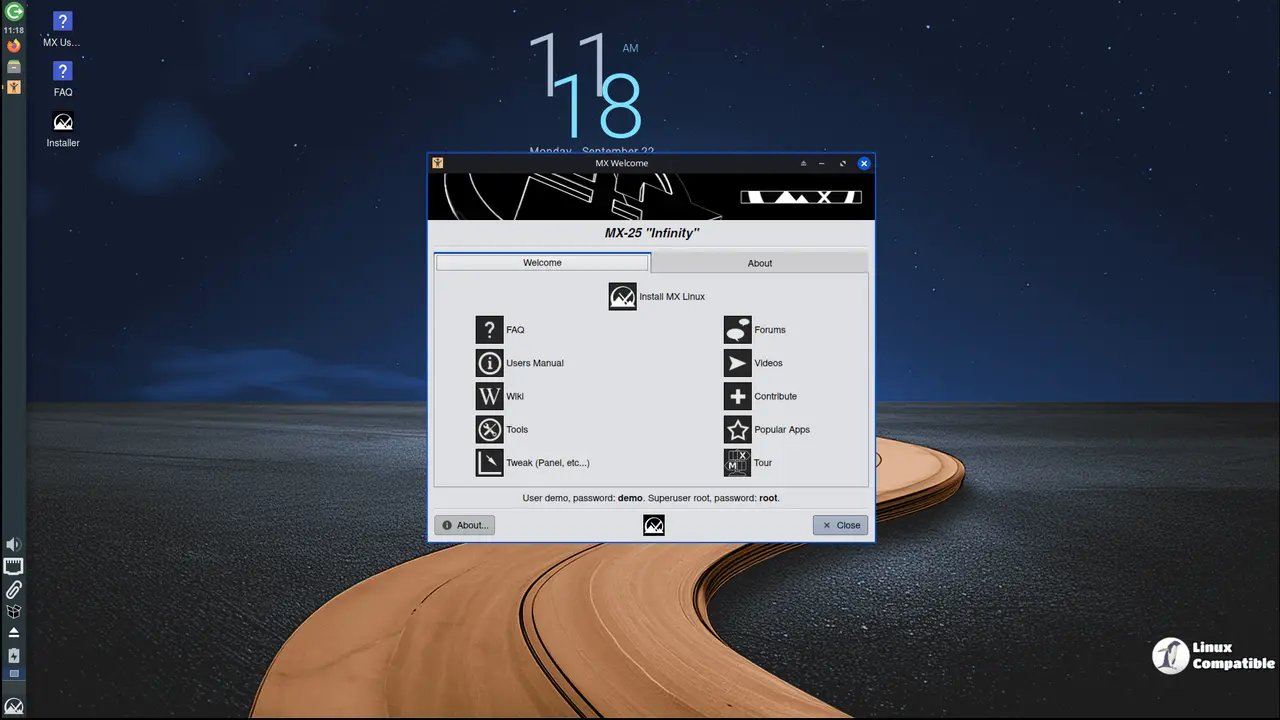
Speaking of stability and the past, there's a feature back that many longtime users really appreciated: MX once had a dual-init system setup option, combining systemd with sysvinit (the classic Unix startup sequence). The new release is reintroducing this now because it helps solve some persistent issues. It also cuts down on the number of builds needed for each specific version.
This time, the process is simpler and more seamless than before: when you first boot one of these new AHS-enabled MX versions (either standard or snapshots, they all follow this path now), you'll see a straightforward choice in the menu. You pick whether you want systemd as your default startup system, then go ahead and install it.
The neat part is that if you use the live option with 'advanced' boot, you can even change things later, just like before. So this feature works consistently for both installation and ongoing system management.
This brings us back to a known issue that was previously grappled with: some users running systemd-shim reported problems with polkit/dbus when logging out or in again, and difficulty escalating to root privileges sometimes cropped up. It seems the new dual-init setup largely avoids these headaches; that’s probably the best news here.
Then there's the whole security aspect related to these init systems. The old method required special MX-provided packages for systemd integration on live installs, which made updating a bit of a headache. AHS now uses sysvinit as the default, and because systemd comes via Debian itself, users receive those crucial updates automatically.
Regarding snapshots specifically, they haven't implemented these dual-init boot menus yet. But don’t sweat it; when you install an update snapshot system (like '23.1' or similar), your live session will start using whichever init option was active before the installation finished. It’s a smooth transition for existing users.
There's one hiccup that has been identified so far with persistence, specifically semi-automatic saving on live USB setups running dual-init during boot. When you start up SysVit from the advanced menu, this feature, which allows input during shutdown, occasionally breaks and doesn't function correctly. The developers are actively working to fix this, though it's a bit complex.
If your system is configured for automatic persistence (the default), or if you’re using traditional installed systems rather than persistent live setups, everything should work fine as usual.
The latest release is available for download via the links provided below:


