Liquorix Kernel 6.19-3 Release Brings Major Low Latency Improvements
The Liquorix Kernel 6.19-3 based on Linux Kernel 6.19.8 has arrived with significant low latency enhancements for enthusiasts who demand uncompromised responsiveness in interactive systems. This kernel targets A/V production workflows and gaming scenarios where frame time deviations must be minimized through aggressive CPU tuning and I/O optimizations. Users seeking reduced jitter in real-time workloads will find the Zen Interactive Tuning settings provide substantial throughput trade-offs for improved system reaction times.
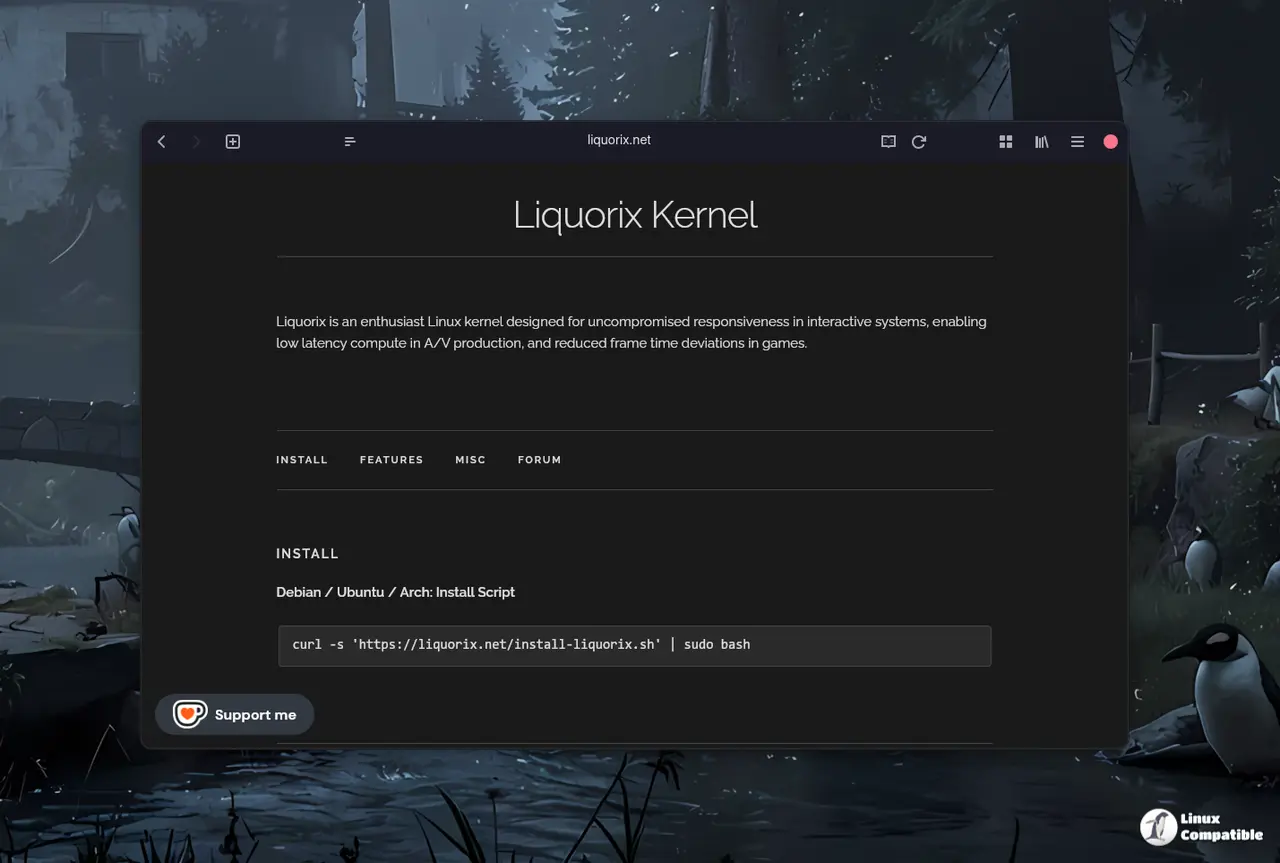
How To Get Liquorix Kernel 6.19-3 Installed
Users running Debian, Ubuntu, or Arch Linux can install this kernel variant with a straightforward one-line command that fetches and executes the official installation script. The process automatically configures the necessary dependencies and replaces the default distribution kernel without requiring manual intervention or additional configuration steps.
curl -s 'https://liquorix.net/install-liquorix.sh' | sudo bash
This command handles all package management tasks behind the scenes, ensuring the Liquorix Kernel 6.19-3 binary integrates cleanly with existing system components and paravirtualization options.
Major Performance Tuning Changes Explained
The kernel update implements several critical adjustments to the PDS/BMQ CPU Scheduler that directly impact gaming and multimedia performance through reduced scheduling timeslice values. Memory management improvements now enable background-reclaim hugepages which helps maintain consistent memory allocation under heavy workloads without triggering swapping or paging operations.
Default scheduler changes shift from mq-deadline to kyber for multiqueue devices, providing better I/O latency handling when multiple applications compete for disk access simultaneously. Single queue systems now utilize BFQ scheduler which balances fairness and responsiveness across different process types during mixed workload scenarios.
Compact Unevictable settings have been adjusted to prevent unnecessary memory fragmentation while maintaining adequate resources for real-time tasks that require guaranteed execution timing. Watermark boost factor reductions help prevent excessive page faults during sustained gaming sessions or video rendering processes.
CPUFreq Configuration Optimizations and Split Lock Detection Settings
Ondemand sampling down factor increases to 5 allow faster frequency transitions when workloads change unexpectedly, ensuring the system responds immediately rather than waiting for predefined intervals. The default up threshold drops to 55 percent while micro up threshold moves to 60 percent for more aggressive performance scaling under demand.
Split Lock Detection has been turned off on modern hardware where split lock mitigation is already built into the CPU design, eliminating unnecessary kernel overhead from constantly checking for problematic conditions. This adjustment reduces interrupt latency during critical gaming frames or real-time audio processing tasks.
Why Liquorix Kernel 6.19-3 Matters For Power Users
This kernel variant targets users who prioritize system responsiveness over maximum energy efficiency, accepting higher power consumption to deliver lower latency across interactive applications. The Zen Interactive Tuning profile specifically sacrifices throughput for improved frame time consistency in games where every millisecond impacts competitive performance.
Users working with A/V production software will notice smoother playback and reduced buffering since the kernel maintains tighter control over disk I/O operations during sustained high-busy periods. Gaming enthusiasts benefit from reduced input lag through optimized CPU scheduling that prioritizes user-facing tasks over background maintenance operations.
Hardware Compatibility And Distribution Support
Binary builds for Debian Stable, Testing, and Unstable distributions provide immediate access without requiring manual compilation or configuration adjustments. The distribution kernel drop-in replacement feature ensures proper hardware detection while enabling paravirtualization options for users running virtualized environments where overhead reduction matters.
Ubuntu system administrators can deploy this kernel through the official Liquorix PPA within hours of Debian releases going up, ensuring timely access to latest low latency improvements across supported architectures and processor families.
The Liquorix Kernel 6.19-3 release provides enthusiasts with a comprehensive toolkit for optimizing interactive system performance across gaming, multimedia production, and real-time application workflows.


