KDE Plasma 6.8 will drop support for X11 in favor of Wayland, allowing the team to focus on building a faster and more streamlined desktop experience. For most users, this change won't have an immediate impact, as many are already using Wayland sessions, but older systems or those with specific features may stick with X11 until early 2027. The transition is expected to be smooth, with minimal changes for users who don't rely on exclusive X11 features, and KDE is actively collaborating with developers to address any issues that arise.
KDE Plasma 6.8 will drop X11 in favor of Wayland
Plasma, the desktop environment you know from KDE, is making a big change: they're cutting ties with X11 entirely for future releases. Think of them as fully embracing the new direction things are heading.
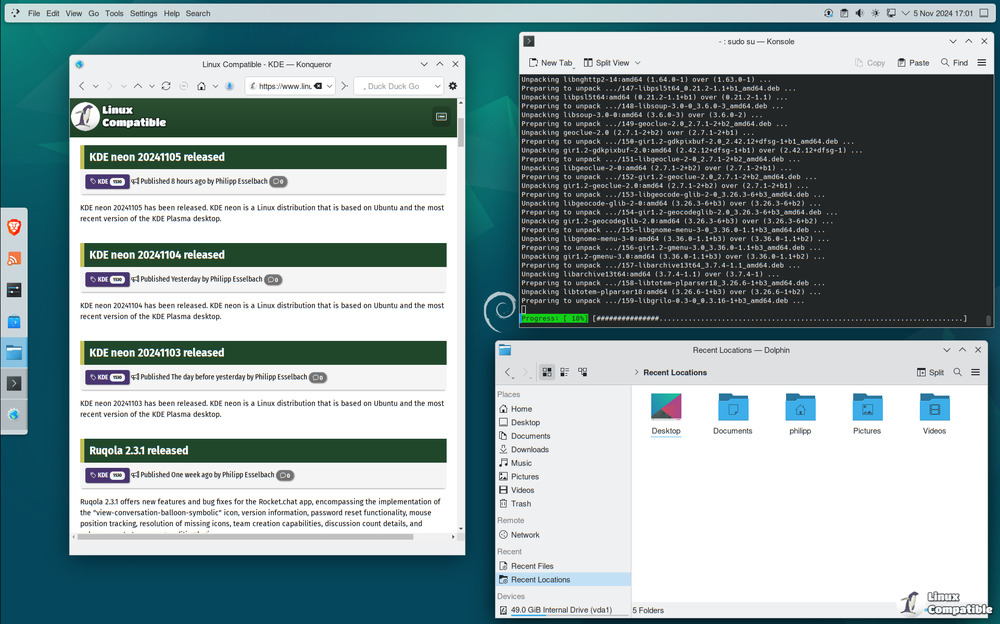
For most users out there, especially those on modern systems, Wayland's already pretty much taken over by now. It's often the default these days after years of slow but steady adoption. So, this Plasma move won't suddenly flip everyone's experience upside down tomorrow. People still using older setups or needing specific features might stick with X11 for a while longer, potentially until early 2027.
But there's a reason behind it: the team wants to focus purely on building a faster, more streamlined Plasma going forwards because so many people are already happily running Wayland sessions. Getting rid of legacy X11 support lets them concentrate energy and effort where they're most needed, refining stability and boosting functionality for everyone who is using Wayland today.
So what does this announcement actually mean for you right now? If you are using a newer distribution or do not depend on any specific features exclusive to X11, there will be minimal immediate changes. Plasma will still offer the old session style until early 2027, though, and crucially, support won't vanish completely because X11 apps can keep running thanks to Xwayland underneath Wayland.
Some third-party apps might need a bit of tinkering to work perfectly right away with the new default display server. And yes, certain games or specific programs that are very tightly coupled with X11 might require some adjustments down the line to run smoothly under Wayland. But KDE isn't sitting on this; they're actively collaborating with developers and communities to figure out how to solve these issues.
Things like accessibility haven't taken a step backward, in fact. Screen readers, sticky keys, zoom, and all those usual bits work fine just like before. There might even be some extra improvements specifically for Wayland now, particularly regarding color filters or touchpad gestures, making things smoother and more tailored.
Wayland also plays well with automation tools. Use commands from X11 tech, such as wl-copy/wl-paste, ydotool, kdotool, kscreen-doctor, and those plasma-apply-* scripts or plugins, to achieve the desired results. Plasma being so flexible means tweaking your setup is often as easy as adding a bit of code through KWin.
Sure, some rough edges might still be visible during the transition process itself, mirroring problems, for instance, or window positioning quirks. Rest assured, KDE is aware of these challenges and is actively working to resolve them in future updates.
Ultimately, the change feels like a positive step forward for Plasma's development cycle then. Dropping X11 support means they can dedicate full attention to creating a more cutting-edge desktop experience that stays sharp amidst the rapid tech changes we see today. And yes, adoption might take time for everyone, but the core benefits should make for a faster and more secure future with better features overall.
It's basically a necessary stride in Plasma’s own evolution then; keeping pace requires looking ahead and fully committing to the new display server standard now that it's practically here for most people already. Embracing Wayland as default opens up exciting avenues for further development.


