KDE neon 20251016 has been released, offering users the latest KDE updates built upon Ubuntu 24.04 LTS. This unique Linux distribution caters primarily to tech-savvy users who want instant access to the latest KDE innovations and serves as a testing ground for adventurous Linux enthusiasts. While KDE neon provides cutting-edge KDE software, it may not be suitable for users with stringent reliability requirements due to its rolling nature and potential system stability issues. Users can choose from various editions, including User Edition, Testing Edition, Unstable Edition, and Developer Edition, each designed to meet different levels of risk tolerance and testing requirements.
KDE neon 20251016 released
KDE neon 20251016 has now been released, providing users with the latest KDE updates.
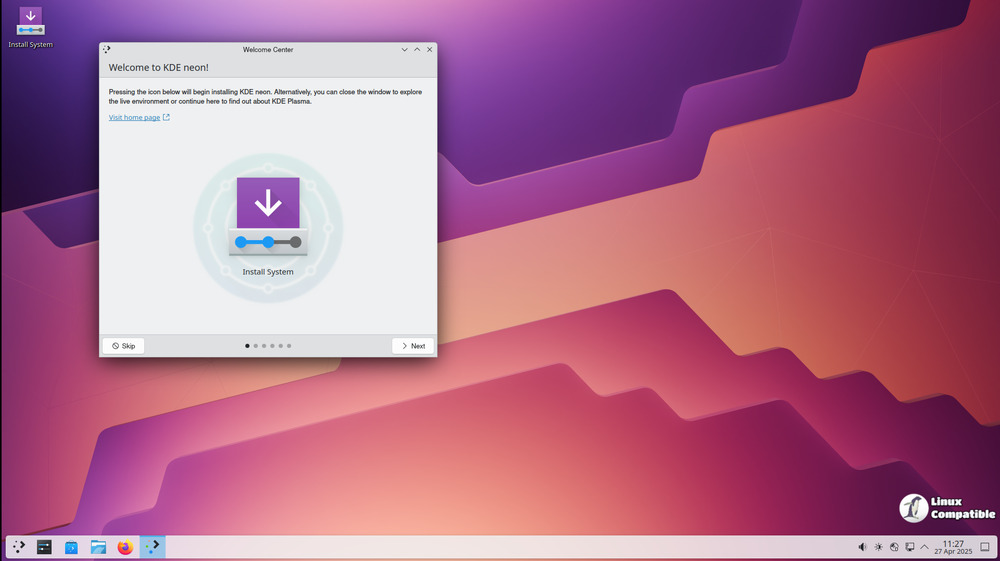
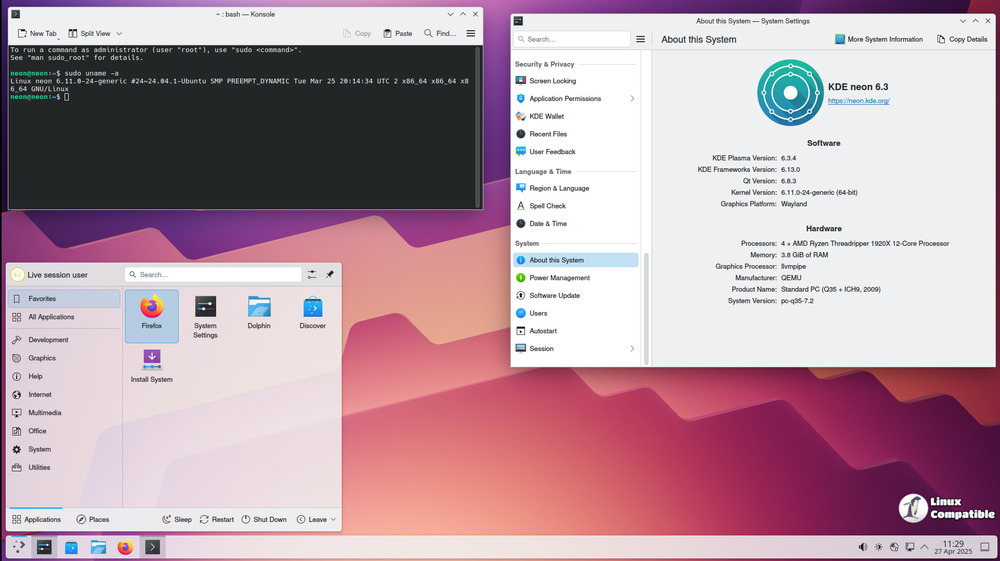
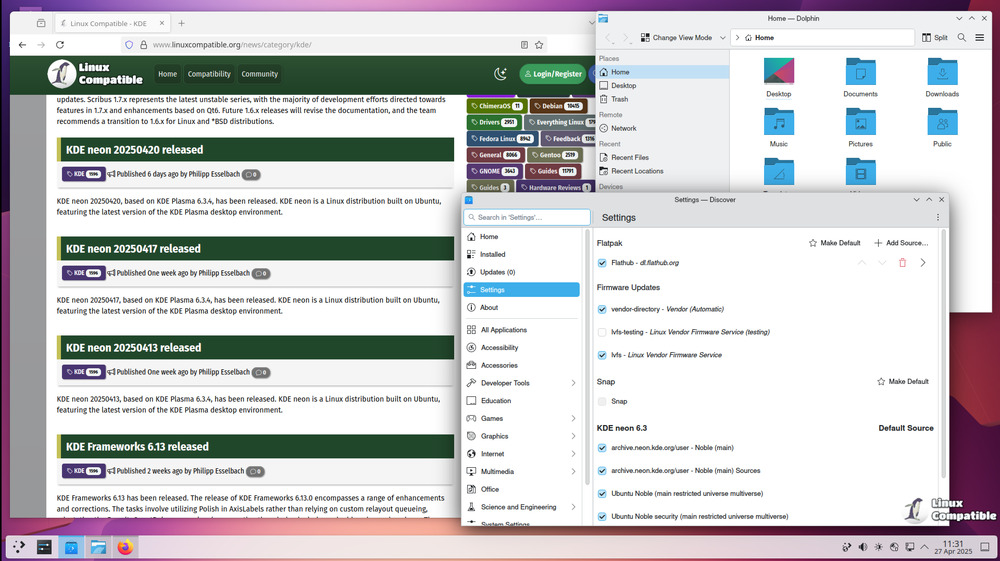
KDE neon is a place for adventurous Linux users to try out new things. It is mostly for tech-savvy users who want quick access to the newest KDE features. The "Testing" and "Unstable" editions are made for people who want to try out unreleased KDE software and help improve it by being beta testers.
However, utilizing the latest software may reduce your system's stability compared to other distributions that require days or weeks for updates. So, KDE neon might not be the best choice for people who need their software to be very reliable.
KDE neon only uses the open-source Nouveau driver for NVIDIA graphics cards, which is good enough for basic desktop use. Sadly, the proprietary NVIDIA driver isn't supported and is generally not recommended because it could cause compatibility problems.
KDE neon is unique because it is a rolling release, especially when it comes to KDE software. The core Ubuntu system doesn't change, but some packages are updated as needed to work with the newer library versions that KDE apps need.
People often ask what the difference is between KDE neon and regular Ubuntu. The answer is that KDE neon has newer Qt packages and the latest KDE software, even though they are both based on the same thing. This decision is partly because the team has been using Ubuntu for a long time and knows it well, and because it has good support from third parties.
The team chose to use Ubuntu as the base for KDE neon because they were already very familiar with the distribution and knew that it had a strong community behind it. Ubuntu users can now use the newest KDE software without losing any of the stability and reliability they have come to expect.
It is also important to note that you don't need to know a lot about Linux to install KDE neon. However, it might be helpful to know some basic system management skills in case you run into problems during setup or use.
It's important to know that KDE neon completely replaces Kubuntu when it comes to compatibility with other distributions. This means that users can't run both systems at the same time. Also, switching from Kubuntu to KDE neon can be hard because their basic features are very similar.
Another thing to note is that KDE neon has desktop alternatives to Plasma, but this feature is not recommended or supported because KDE software is still the main focus.
Finally, it's important to note that KDE neon is only available in 64-bit versions, which are made for modern systems. The images are GPG signed to make sure they are real and haven't been changed. They are mostly available through HTTP-based download mirrors because some groups don't support HTTPS.
Downloads
KDE neon has a number of live images that let users try out and install the operating system without changing anything on their current computer. These live images are great for people who want to try out KDE neon before they install it completely. There are four different versions: User Edition 64-bit, Testing Edition 64-bit, Unstable Edition 64-bit, and Developer Edition 64-bit. Each version is made to fit different levels of risk tolerance and testing needs.
The User Edition is the most stable choice because it has the most recent official KDE software. This makes it perfect for everyday users who value reliability. The Testing Edition and Unstable Edition, on the other hand, are made for people who want to try out pre-release software. They can test out new features and provide feedback to the development team. If you want to be on the cutting edge of KDE development, KDE neon is a great choice.
The Developer Edition is also made for developers and advanced users who want to help the KDE ecosystem grow. It has tools and libraries that help developers create and test apps in the KDE environment.
Users can easily choose the version they want and download it as a live image or torrent file, along with its PGP signature to prove that it is real. This makes sure that users can trust that the software they are downloading is safe. Users can boot into KDE neon without changing their current operating system, thanks to the live images. This procedure is a safe and easy way to learn about the features and functions of this one-of-a-kind Linux distribution.
KDE neon Live Images
Live images are ideal for people who want a clean installation. Use a live image to replace your existing system, install alongside existing operating systems, or simply try KDE neon without affecting your computer.
If you intend to use KDE neon in a VirtualBox VM, please turn on 3D acceleration in the machine settings.


