Installing PHP 8.5.4RC1 or PHP 8.4.19RC1 on Fedora and RHEL via the Remi Test Repositories
New release candidates of PHP hit the test repositories for both Fedora and Enterprise Linux. For developers who need to try out the latest language changes before they hit production, the Remi team has made PHP 8.5.4RC1 available as base packages in remi‑modular‑test and as a Software Collection (SCL) in remi-test. The same applies for PHP 8.4.19RC1. This guide walks through how to pull the RC into your system without breaking the stable stack.
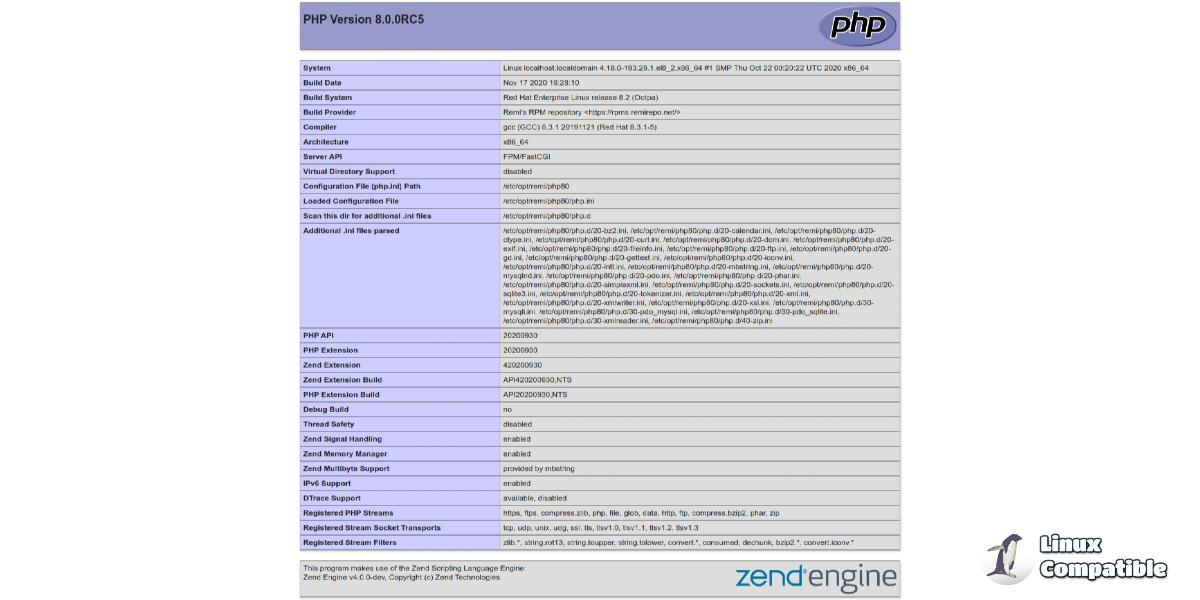
Prerequisites: Enable the Remi repositories
The Remi repositories are split into two parts: a modular repository for base packages and a testing repo for SCLs. Both need to be enabled before anything else. On Fedora, use dnf:
sudo dnf install -y dnf-plugins-core
sudo dnf config-manager --set-enabled remi-modular-test
sudo dnf config-manager --set-enabled remi-test
On RHEL‑8 or later, the same commands apply; just replace dnf with yum if you prefer.
Parallel installation using a Software Collection
If the system already runs PHP and you want to keep that version for compatibility while testing the new one, install the RC as an SCL:
sudo yum --enablerepo=remi-test install php85
The command pulls the php85 package set from the test repo, leaving your default PHP untouched. After installation, you can switch to it with:
sudo update-alternatives --config php
and pick /usr/bin/php-8.5.
Switching the system-wide module to PHP 8.5
If the entire machine should run the new version—perhaps for a staging environment—you can swap the module directly:
sudo dnf module switch-to php:remi-8.5
Followed by an update of all PHP packages from the modular test repository:
sudo dnf --enablerepo=remi-modular-test update php*
This pulls in the RC’s core engine, extensions such as pdo, and any bundled modules.
Important notes on extensions and compatibility
- The oci8 extension bundles the Oracle Instant Client 23.9 RPM, so ensure that is present if your application uses Oracle.
- The intl extension relies on libicu 74.2; any older ICU library may cause crashes when loading this PHP build.
- Because PHP 8.3 has entered security mode only, no new RCs will be released for it—only patches.
When to expect the final release
Both 8.4.19 and 8.5.4 are slated for a March 12th launch in about two weeks from today’s date, February 27th. The test builds should match the final version, so any issues found here will be addressed before shipping.
That’s all there is to it: enable the right repos, pick either the SCL or module switch, and you’re running the bleeding‑edge PHP on a stable RHEL/Fedora system.


