GNOME 48.9: What actually got fixed and whether you should bother upgrading
The short version is that GNOME 48.9 patches a handful of memory‑leaks, thumbnail glitches and MTP crashes without adding any flashy new features. If your current 48.x install feels stable, the upgrade will be painless; if you’ve been haunted by disappearing thumbnails or broken phone mounts, this point release finally puts those bugs to rest.
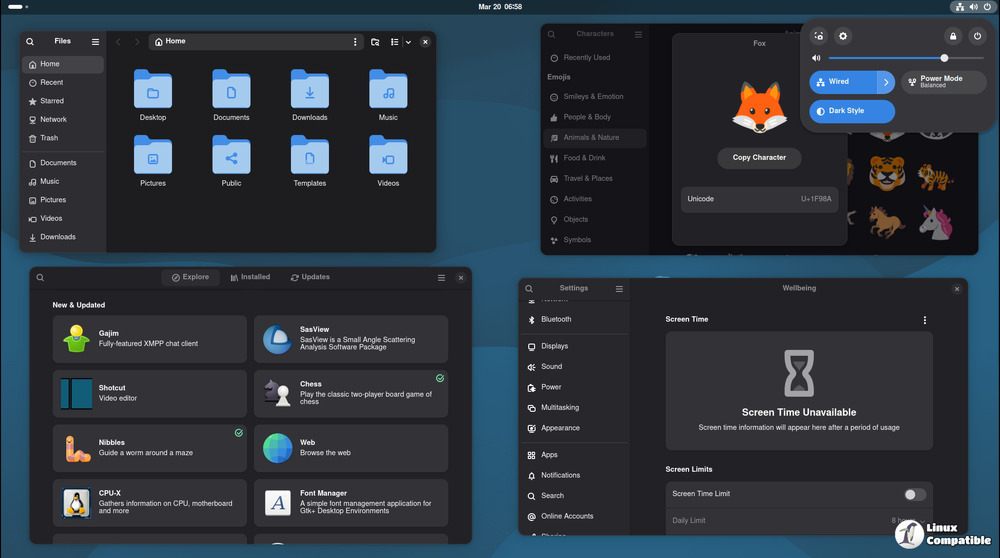
Core desktop components
The GNOME Desktop library jumps from 44.4 to 44.5 mainly to tighten security and clean up stray memory allocations. The updated seccomp filter makes Flatpak sandboxing a touch stricter, which matters for users who run a lot of third‑party apps in containers. A tiny but useful tweak lets the thumbnail generator understand “%m” placeholders – an improvement you’ll notice only if you’ve ever built custom thumbnail scripts.
Maps and Online Accounts
GNOME Maps receives a one‑line fix that restores access to the Settings Privacy panel after a recent UI reshuffle. It’s not a game‑changing change, but it stops the “nothing happens” dead end that some users reported when trying to tweak location permissions. The online‑accounts module addresses two long‑standing bugs: an ambiguous IMAP+SMTP test failure and a Nextcloud subfolder issue that prevented proper account setup. If you rely on GNOME Online Accounts for mail or cloud sync, the new version eliminates those cryptic error dialogs.
GVFS and file handling
Version 1.58.1 of GVFS patches a subtle CD‑DA timing problem that caused the last track’s duration to be reported incorrectly – something only audiophiles notice when ripping obscure discs. More importantly, several memory leaks were sealed, which translates into steadier performance for users who constantly mount remote shares or USB drives.
Nautilus (Files)
Nautilus moves from 48.5 to 48.6 with a laundry list of crash‑prevention tweaks. The most visible symptom people have reported in the wild is a sudden shutdown when an MTP device disappears mid‑transfer; that has now been guarded against, so unplugging your Android phone won’t take the whole file manager down. Thumbnail handling also got smarter: invalid thumbnails are no longer regenerated on every access, and the icon cache refreshes correctly after external changes. If you’ve ever lost a few seconds to a “Nautilus crashed” dialog while moving photos from a camera, this update is worth the click.
LibAdwaita and visual polish
LibAdwaita 1.7.11 fixes focus handling in bottom‑sheet dialogs – a minor annoyance for users who navigate settings with the keyboard. The AdwWrapBox justification bug also gets ironed out, so UI elements line up as designers intended. These changes don’t rewrite the look of GNOME, but they smooth out edge‑case interactions that seasoned power users have complained about on forums.
Other libraries
Most of the remaining bumps (libfolks, librsvg, libspelling, libshumate, msgraph) are pure bug‑fix releases: updated translations, reduced stack usage, and build‑system tweaks. None of them introduce visible user‑facing changes, but they keep the overall GNOME ecosystem tidy for downstream distro maintainers.
Should you upgrade?
If your workflow leans heavily on file management, remote mounts or online accounts, the Nautilus and GVFS fixes alone justify moving to 48.9. For a purely aesthetic setup that hasn’t shown any of the listed bugs, staying on the current point release won’t hurt – the changes are incremental, not disruptive. Most distributions will push 48.9 as a safe update, so there’s little risk of regression.
You can also use the official BuildStream project snapshot to compile GNOME 48.9.
Enjoy the quieter side of GNOME development: fewer crashes, cleaner memory use, and a couple of hidden‑panel fixes that keep the desktop humming along.


