GNOME 47.10 released
GNOME 47.10 has been released as a stable bug-fix update for all operating systems shipping with GNOME 47. This update marks the final release of GNOME 47, and users are encouraged to upgrade to GNOME 48 or 49 for continued support.
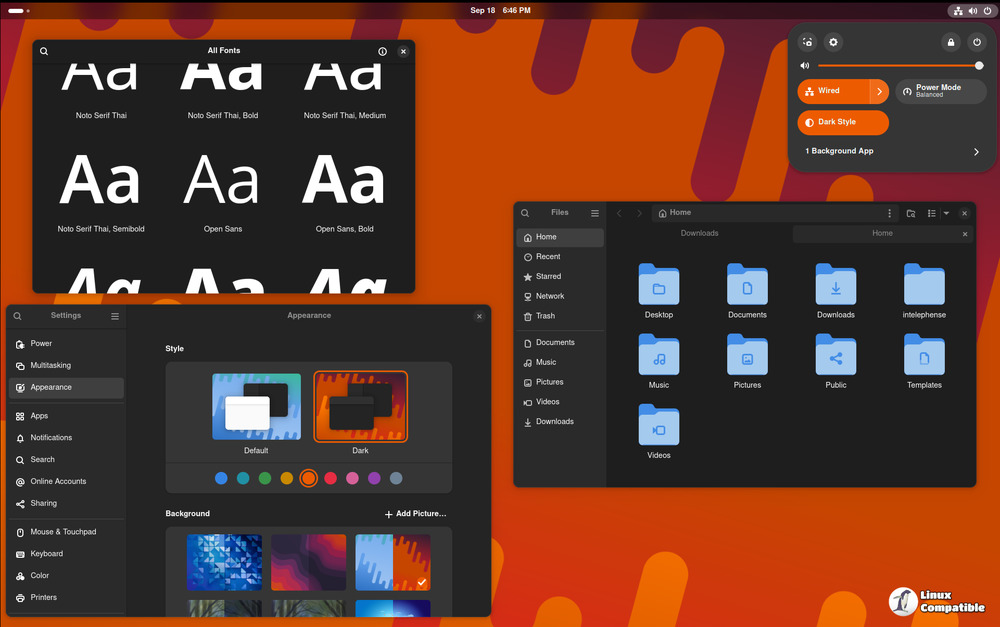
Among the updated modules is at-spi2-core, which now uses the appropriate notifications for callbacks and fixes memory leaks. The gnome-desktop module has been updated to include support for TryExec for thumbnailers and translation updates.
The release also includes significant updates to GNOME Maps, with improvements such as adding address formats for Austria and Paraguay, as well as translations from contributors like Josego and Marcus Lundblad.
GNOME-online-accounts has received translation updates in Italian by Davide Ferracin, ensuring that users can access their online accounts seamlessly across different languages.
In the realm of gnome-shell, numerous fixes have been implemented to enhance its performance. These include resolving issues with connecting to WPA(2) Enterprise networks and improving support for legacy tray icons.
Furthermore, Gom has seen build system improvements, while GTK+-3 boasts a range of updates, including theming enhancements, improved keyboard support on macOS, and increased configurability for compose sequences.
Other modules like json-glib, libadwaita, libspelling, mutter, and nautilus have also received bug fixes and performance enhancements. These updates are designed to improve overall user experience while maintaining stability across different platforms.
Users can upgrade their systems by using the official BuildStream project snapshot or simply follow the installation instructions for GNOME 47.10. This update is expected to be a safe and uneventful transition from earlier versions of GNOME 47, making it an ideal time for users to explore new features and improvements in this latest release.
GNOME's emphasis on stability and continuous improvement has made it a go-to choice among Linux distributions and open-source enthusiasts alike. By incorporating valuable feedback and contributions from the community, the project continues to evolve and meet the demands of modern computing needs.


