Fedora Linux 44 RC 1.1 Released So You Can Break Things Safely
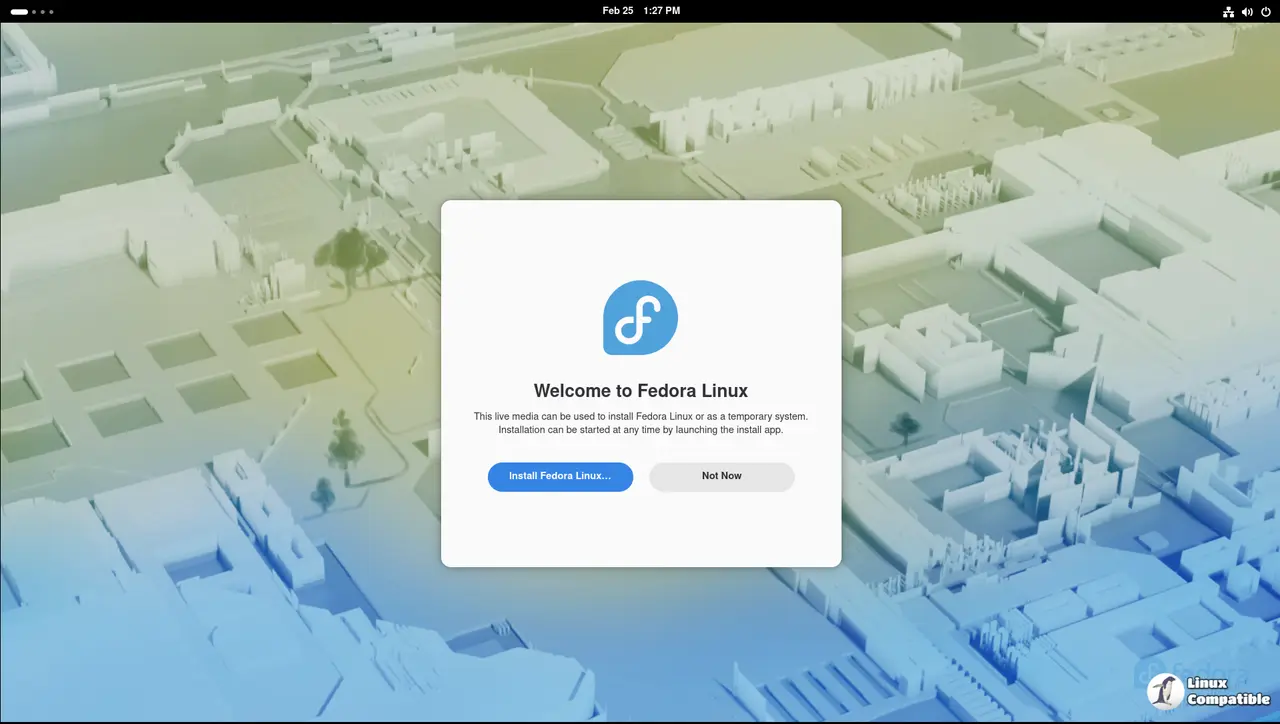
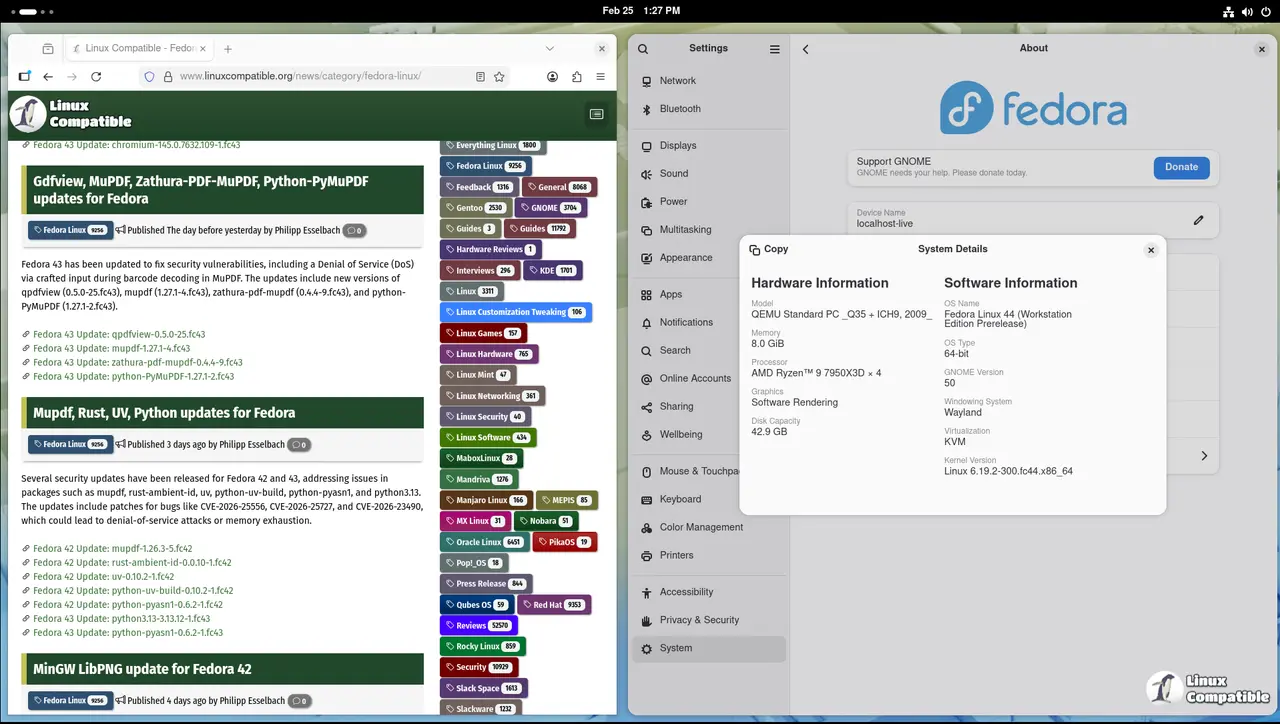
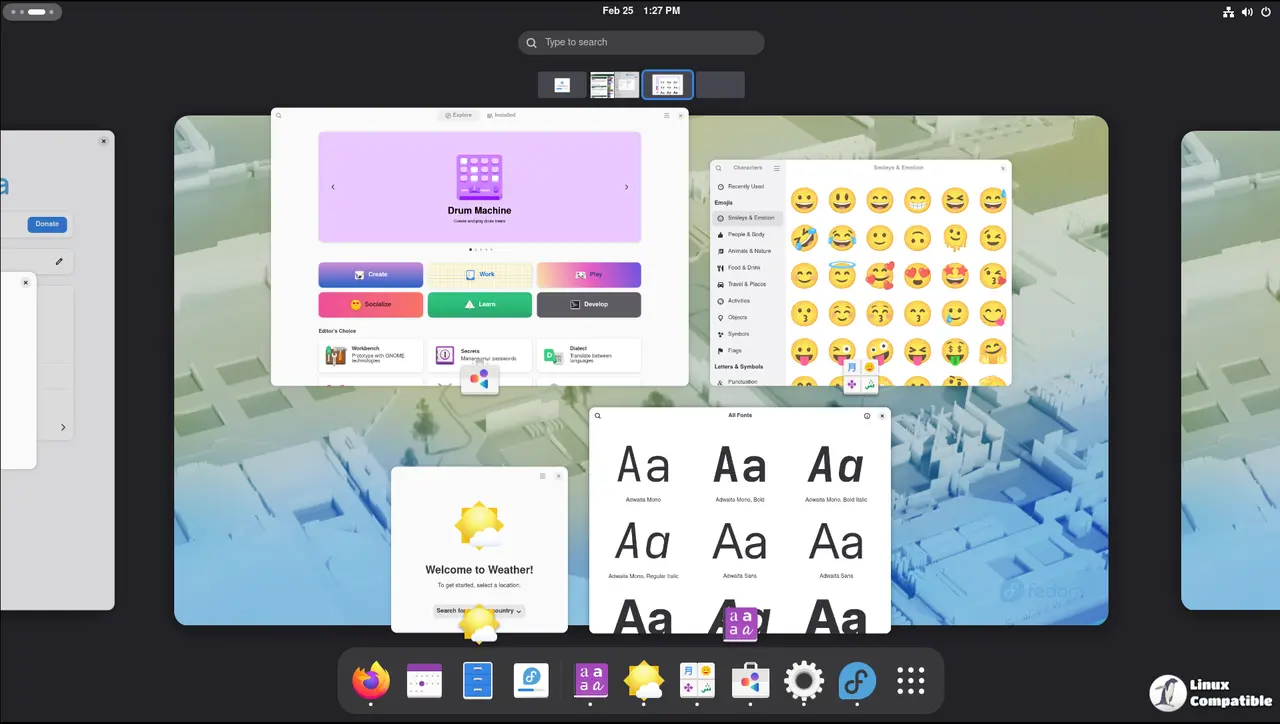
The Fedora team has officially pushed out the first release candidate for Fedora Linux 44 and now it is time to start testing. This update allows users to find critical bugs before the final launch happens without risking a production system. It is time to check what needs verifying and how to report issues back to the developers effectively.
Why testing Fedora Linux 44 matters now
Release candidates are not just fancy names for beta builds because they signal that features are frozen and stability is the main priority now. Users should expect fewer regressions but still need to verify hardware compatibility before committing to an install on a daily driver machine. It is better to find a kernel panic during testing than after upgrading the office server where downtime costs money.
Where to download images and view results
The project maintains detailed coverage statistics at the OpenQA dashboard so anyone can see current pass rates across different architectures. You can download the installation images via kojipkgs.fedoraproject.org.
Handling blocker bugs and freeze exceptions carefully
There are currently known issues listed under blocker bugs that could prevent a smooth upgrade path for some configurations. Freeze exception bugs exist because sometimes critical fixes must land after the feature cut but before final release. Reporters should check the qa.fedoraproject.org tracker to see if their specific hardware falls into these high-risk categories.
Getting help from the quality team directly
Community support is available on the Fedora Quality chat channel or through the quality tag on Discourse for real-time assistance with testing failures. Users should not hesitate to enter results on the Summary page even if they encounter minor glitches during their evaluation run. The developers rely on this feedback loop to squash showstopper issues before the official launch window closes.


