Fedora Linux 44 Beta Shifts Budgie & KDE to Wayland and Adds New Packages
The latest Fedora Linux 44 Beta brings a major switch for desktop users: both the Budgie and KDE Plasma environments now run on Wayland by default, eliminating the long‑standing X11 dependency. In addition, the beta introduces several new package updates—including Go 1.26, MariaDB 11.8, and Helm 4—while dropping legacy 32‑bit QEMU builds. This release is identically to the last beta candidate release.
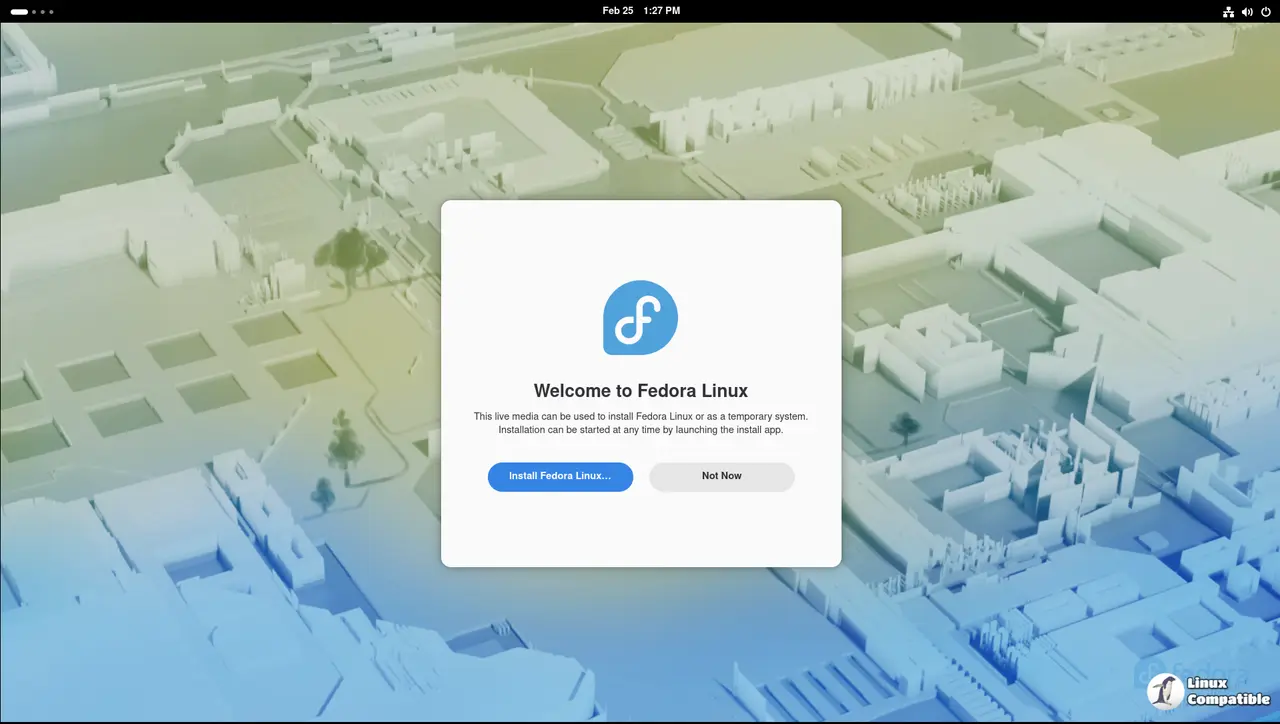
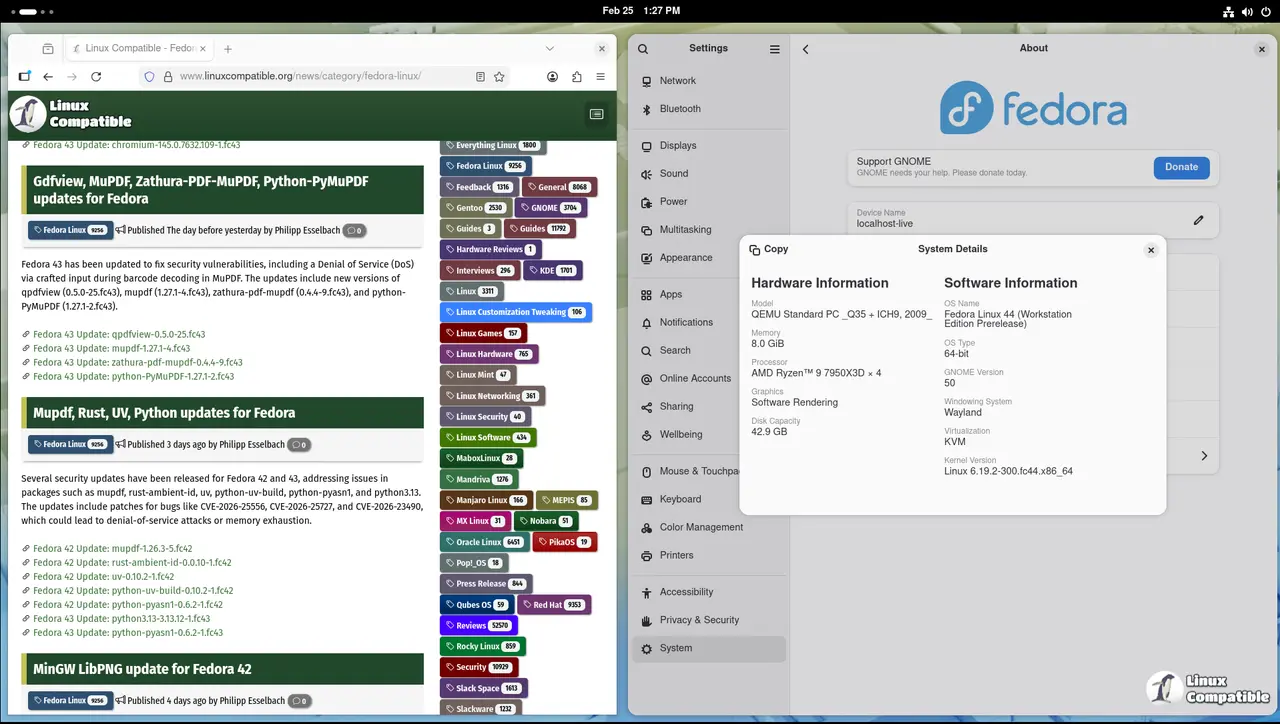
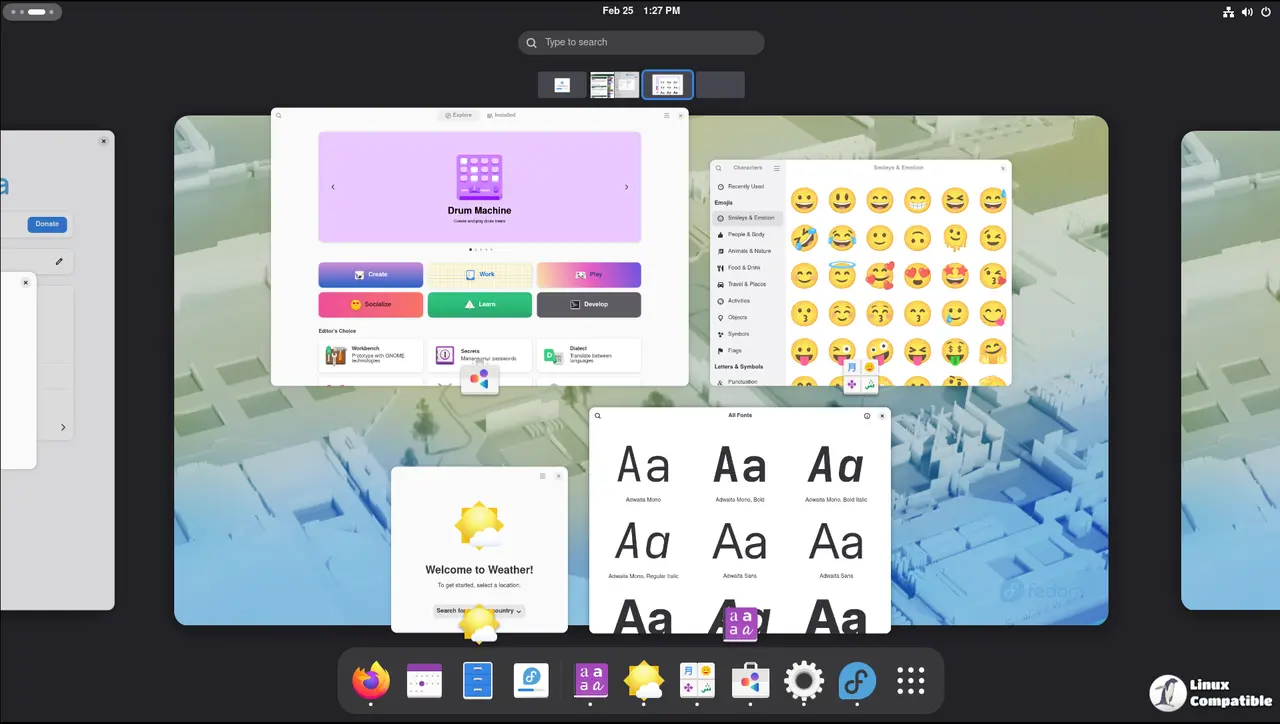
Fedora Linux 44 Beta’s Key Highlights
The installer no longer creates default network profiles for every device; only those configured during installation get saved. This tweak fixes a recurring issue where users accidentally ended up with misconfigured Wi‑Fi settings after an upgrade, because Anaconda had pre‑populated irrelevant network entries.
KDE Plasma now ships with the new Plasma Login Manager instead of SDDM, giving a cleaner login experience that aligns with the rest of the system. The KDE Setup wizard runs only once after installation, preventing duplicated setup steps and confusing users who were used to having to configure similar settings in both Anaconda and the desktop.
Budgie 10.10’s migration to Wayland is more than cosmetic: it reduces flicker on high‑refresh monitors and removes the need for legacy X11 compatibility layers that bloat the image. Users who previously had to run “budgie-desktop --x11” no longer see a fallback; the desktop boots straight into Wayland, which also improves power management.
LiveCD Enhancements
The live ISO for ARM64 now auto‑selects the correct DTB when booting from EFI on Windows‑on‑ARM laptops. Developers who routinely test Fedora on their Surface Pro 8 no longer have to manually pick a board configuration; the system simply works out of the box, saving hours spent troubleshooting kernel panics.
The new “livesys‑scripts” framework enables persistent overlays when the ISO is written to USB. That means any changes you make while in live mode—like installing extra drivers or tweaking Wi‑Fi passwords—stay intact after a reboot without needing to rebuild the entire image.
System Enhancements
A full GCC, glibc, binutils, and GDB update keeps the development stack current with upstream security patches. When building from source, users who previously hit “undefined reference” errors due to missing new symbols now compile cleanly.
Reproducible builds have reached 90 % across the distribution; remaining inconsistencies will be flagged in individual packages. This improves trust for users who rely on identical binaries across multiple machines or CI pipelines.
Packit is now the default CI for Fedora dist‑git projects, streamlining the path from upstream patches to official packages. Package maintainers no longer need to juggle separate CI tools, which cuts down on maintenance overhead and reduces merge delays.
Python‑mock has been phased out entirely. Packages that still reference it will be caught early in the build process, preventing runtime failures for users who rely on the mock library for unit tests or scripts.
New R packaging macros simplify creating RPMs for statistical software, cutting down manual spec file edits and making it easier for data scientists to distribute their tools via Fedora’s package manager.
The nix developer tool is added to the default install set, giving developers a familiar, reproducible build environment without needing third‑party repositories.
Hardlinking identical files under /usr by default reduces duplicate storage usage during packaging. The new mechanism avoids race conditions that previously caused some users to see corrupted file links after an update.
Package Upgrades & Removals
Go 1.26 is now the baseline compiler for all Go developers, ensuring compatibility with the latest language features and security fixes. Scripts that depend on older go‑build flags will need updating to avoid compile errors.
MariaDB 11.8 becomes the default database server; the legacy MariaDB 10.x series remains available as a separate package, so existing applications that require older syntax can continue running without interruption.
IBus 1.5.34 brings better Wayland support and native emoji rendering, solving the problem users faced when entering emojis in terminal or web apps under KDE on Fedora 44.
Django 6.x is now shipped by default, but a parallel‑installable python3‑django5 package remains for projects that haven’t yet migrated to the new API. Users upgrading from Django 4 can test compatibility without breaking existing deployments.
TagLib 2 replaces older versions, unlocking performance improvements in media libraries and fixing broken metadata handling on some audio devices.
Helm 4 is installed as the default; a helm3 package still exists for Kubernetes setups that depend on the older CLI. This dual‑installation strategy protects users from immediate disruption while enabling adoption of Helm’s new features.
Ansible 13 replaces earlier releases, bringing significant security enhancements to its templating engine. Playbooks written with assumptions about silent failures may need adjustments, as the newer version now reports errors more aggressively.
TeXLive 2025 is modularized; instead of a monolithic package, collections and schemes are split into separate sub‑packages. Users who only need LaTeX basics can install a lightweight subset, while advanced users can pull in the full suite without unnecessary bloat.
The removal of QEMU 32‑bit host builds aligns Fedora with upstream QEMU decisions; developers targeting legacy 32‑bit guests will have to rely on alternative emulation or downgrade to older Fedora releases. Likewise, dropping FUSE 2 and deprecated pkla polkit rules from atomic desktops cleans up unused libraries and tightens security posture.
Downloading and Installing the Beta
The beta images are available for Workstation, KDE Plasma Desktop, Server, IoT, and Cloud variants on the official download page or via DNF system‑upgrade for existing installations. Spin and Lab distributions can also pull in the updated packages from their respective repositories.
Users who prefer a hands‑on test of the new features should create a fresh bootable USB with the latest ISO; the persistent overlay feature will let them experiment without wiping data between reboots.


