Bazzite Linux 43.20260330 arrives with significant kernel and driver updates designed to smooth out gameplay for everyone. The release brings Mesa 26.0.3-1 alongside Nvidia drivers that address common performance hiccups on modern graphics cards. Existing users need only run the rollback helper command to safely apply these atomic changes without risking system stability. Streaming tools like Sunshine also see improvements while CPU schedulers get tuned for better responsiveness during intense sessions.
Bazzite Linux 43 Update brings better stability and gaming tweaks
The latest release for the distro known as Bazzite Linux 43 arrives with significant driver updates that address common performance hiccups gamers face on Linux hardware. Users can expect improved scheduler logic in the kernel alongside updated Mesa graphics libraries for smoother frame times. This guide covers what changes are included and how to apply them safely without breaking existing game configurations.
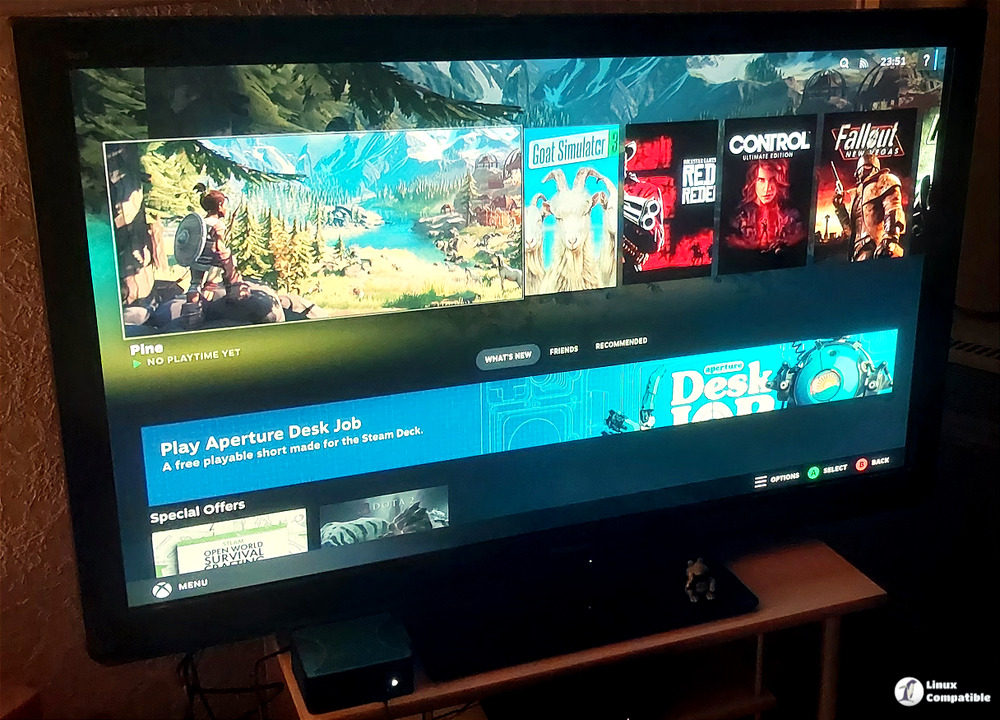
Why the new Bazzite Linux 43 kernel matters for gamers
The core of this update rests on Kernel version 6.17.7-ba29 which brings subtle but important refinements to CPU scheduling. This change targets responsiveness during gameplay by reducing latency spikes that sometimes occur when the system switches between background tasks and active gaming sessions. Alongside the kernel, the Mesa graphics stack has moved to version 26.0.3-1 to ensure better compatibility with newer titles and improved support for HDR output on compatible displays.
Nvidia users should pay close attention since the update includes both standard and LTS drivers. The mainline driver sits at version 595.58.03 while the LTS option remains available at 580.95.05 for those who prioritize stability over bleeding-edge features. This dual availability prevents users from being forced into a corner if a newer driver causes issues with their specific graphics card model. It is worth noting that the firmware version has also been bumped to 20260309-1 which helps ensure hardware components like Wi-Fi cards and GPUs initialize correctly during boot.
Updating your system with the rollback helper tool
Existing installations of Bazzite Linux 43 can move to this new build using the dedicated helper script provided by the developers. Running bazzite-rollback-helper rebase stable will pull in all changes from the latest stable branch without requiring manual intervention or package management commands. For users who want to pin a specific snapshot, they can type bazzite-rollback-helper rebase 43.20260330 to target that exact image version directly.
The helper tool exists because this operating system uses an atomic update model where the system root is treated as immutable. This design prevents partial updates from leaving the OS in a broken state but requires specific commands to switch between versions safely. Attempting to force these changes through standard package managers often leads to dependency conflicts or boot failures since the underlying OSTree structure needs verification before committing new layers.
bazzite-rollback-helper rebase stable
That tells the system to pull the latest stable manifest, which now points to 43.20260330. If you prefer to lock onto this exact build rather than whatever future “stable” may become, invoke the same script with the explicit version string:
bazzite-rollback-helper rebase 43.20260330
You can also download the Bazzite 43.20260330 installation images from here.
Streaming and connectivity improvements also included
Beyond graphics and kernel tweaks, several utilities used for streaming and remote access have received updates in this release. Sunshine has moved to version 2026.329.165800-1 which improves compatibility with capture cards and encoding settings for streamers using OBS or similar tools. Tailscale also saw a minor bump to version 1.96.4-1 ensuring that secure remote desktop connections remain stable across different network environments.
Other background services like Cockpit Podman and various Python libraries have been updated to fix known vulnerabilities and improve security posture. While these changes may not be immediately visible in the gaming experience, they contribute to a more robust foundation for running containers or virtual machines alongside game launchers. The KDE and GNOME specific images receive their own set of minor adjustments including input method improvements for users who rely on complex keyboard layouts during gameplay.
Final thoughts on this release cycle
This update cycle prioritizes stability and driver compatibility over flashy new features which is the right call for a platform designed to be reliable out of the box. The inclusion of both standard and LTS Nvidia drivers ensures that hardware from different eras can still run modern games without forcing everyone onto the bleeding edge prematurely. Users who have been waiting for better HDR support or reduced input lag will find these changes worthwhile after applying the update.
Make sure to check the status of your existing game configurations before rebooting since some launcher integrations might need a quick refresh after a kernel change. The process is generally seamless but it never hurts to verify that Steam and Lutris are launching correctly with the new environment variables in place.


