The latest version of Arch Linux's installer, archinstall 3.0.15, has been released with several exciting features and improvements. The update includes smoother printing capabilities, automatic memory allocation for performance boosts, and more direct control over development environments through the base-devel package. Other notable enhancements include improved language support, bug fixes, and usability improvements such as a filtered menu system and proper documentation. Overall, archinstall 3.0.15 offers tangible benefits to users, including better performance, reliability, and ease of use during the installation process.
Archinstall 3.0.15 released
Arch Linux users will be pleased to learn that version 3.0.15 of archinstall is now available. One of the most intriguing additions handles printing more smoothly right from the start: CUPS installation support. Now you can just let it install print servers as needed, getting your documents working without extra hassle.
Previously, setting up an Arch Linux system using "cosmic" (the rolling release) required some command-line know-how and a specific advanced flag. The developers fixed that in this latest version, making the cosmic experience much more straightforward for everyone.
For squeezing every ounce of performance out of your new setup, there's a smarter approach now with a dynamic Zram configuration based on standard best practices. The system automatically manages memory allocation, resulting in immediate performance improvements. There are also tweaks to system algorithms designed to keep efficiency high.
Also noteworthy is how Archinstall now treats base-devel. This version deliberately doesn't install it by default, giving users much more direct control over what they put into their development environments from the jump.
Tracking progress has never been easier, either. A timer was added specifically for the post-installation screens, so you can easily see if something's running long or seems stuck.
If your system uses LVM, Archinstall now automatically adapts its root partition size calculations to help things fit better and function more smoothly, though manual verification is always recommended!
Bootloader installation on USB drives or SD cards (removable locations) has been set as the default action. This streamlines system setup considerably for users who plan ahead with multiple bootable devices.
Archinstall 3.0.15 offers optional IWD network management, alongside existing choices like systemd-networkd and wpa_supplicant. For power tweaking, Power-Profiled/tuned integration provides more fine-tuning capabilities depending on your needs or preference (though note that some tuning features are currently only available via the Arch Install Systemd unit).
Inclusion is another key part of this update: Kurdish language support has been added to the installer itself.
On the practical side, bugs squashed include a fix for mirror list failures during installation if the system's /status endpoint goes down (like from DDoS). Another was related to symlink creation for /etc/resolv.conf when using systemd-resolved; this is now handled correctly and should improve network config reliability in certain situations.
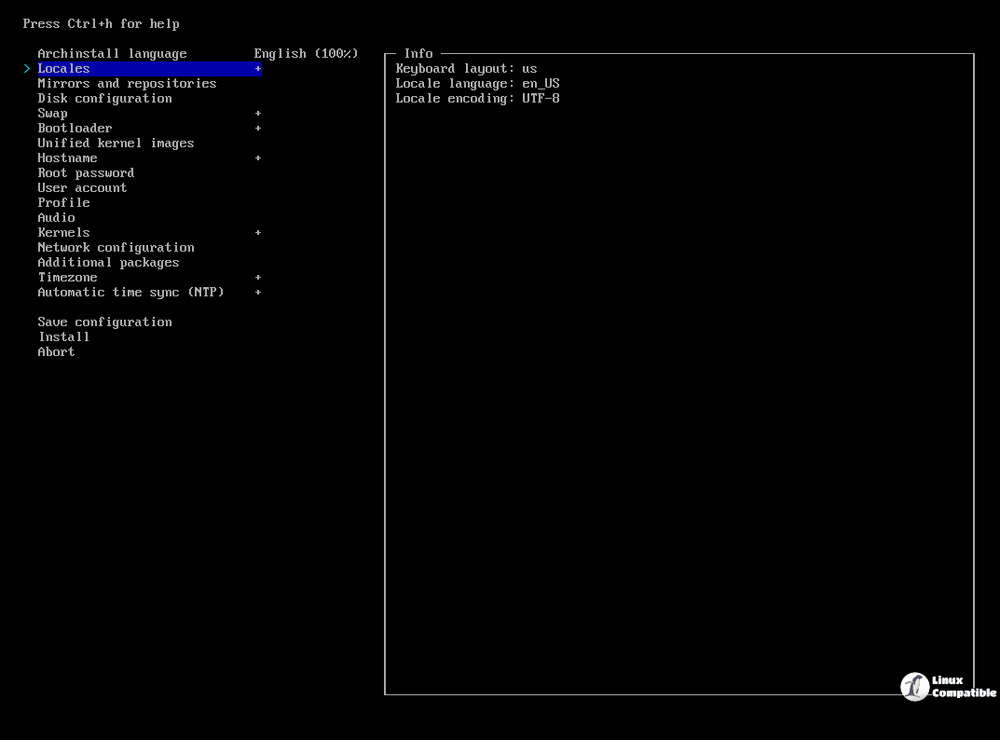
The user interface receives a boost as well. The menu that appears during installation now filters and sorts items based on priority, making it easier to identify what you need without scrolling through everything blindly.
And there's more: other improvements cover removing leftover files from previous runs (like /tmp/archlive), fixing translations for Bluetooth preview actions in various languages, including Kurdish again, and ensuring bootloaders and keymaps are properly displayed during the process. The installer's documentation, its README file, has also been reviewed and refined to provide clearer guidance.
So, this latest Archinstall release brings some tangible usability improvements right alongside helpful new features and bug fixes.
Release archinstall 3.0.15
From us at Arch Linux and the archinstall team, to all the users out there — thank you for all the feedback and usage in 2025, we hope that 2026 will be an even better year for everyone.